 Save to Pinterest
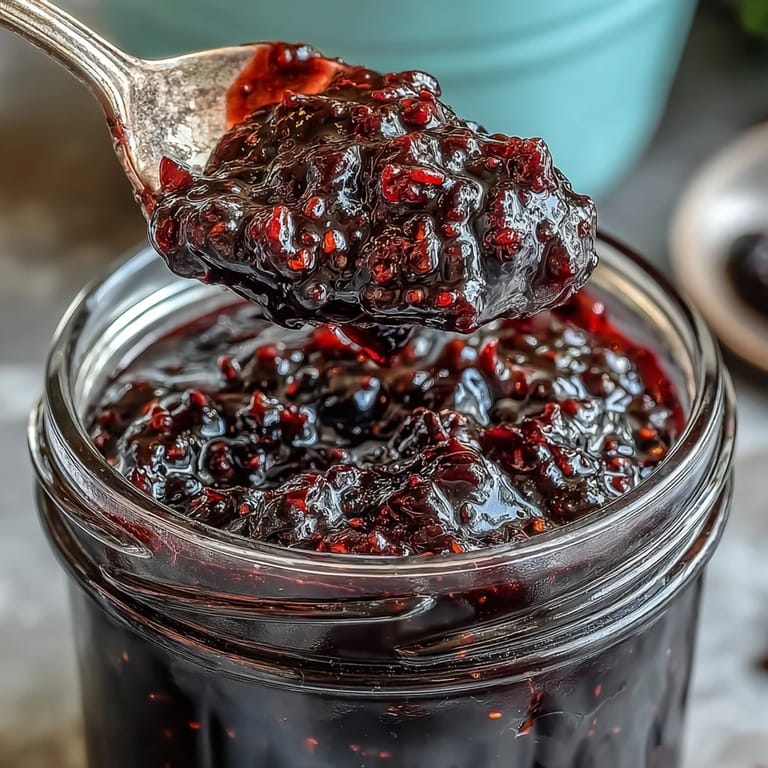
 Capture the vibrant essence of summer with this Homemade Black Currant Jam. This deep purple preserve balances the natural tartness of blackcurrants with just enough sugar to create a glistening, jammy texture that is as beautiful to look at as it is delicious to eat.
Save to Pinterest Whether you are a seasoned preserver or trying your hand at jam-making for the first time, this British-style recipe delivers a rich, bold flavor that puts store-bought versions to shame. It is the perfect way to preserve a seasonal harvest for the months ahead.
Ingredients
Tired of Takeout? 🥡
Get 10 meals you can make faster than delivery arrives. Seriously.
One email. No spam. Unsubscribe anytime.
- Fruit: 1 kg fresh blackcurrants (cleaned and stems removed)
- Sweetener: 900 g granulated sugar
- Acid: 2 tbsp fresh lemon juice
Instructions
- Step 1
- Place a small plate in the freezer to prepare for the jam set test.
- Step 2
- Combine the blackcurrants and fresh lemon juice in a large heavy-bottomed saucepan. Gently crush some of the berries with a potato masher to release their juices.
- Step 3
- Add the granulated sugar and stir well to combine. Let the mixture sit for 10 minutes to draw out more juice from the fruit.
- Step 4
- Place the saucepan over medium heat and stir constantly until the sugar has completely dissolved.
- Step 5
- Increase the heat to high and bring the mixture to a rapid boil. Stir frequently to prevent the jam from sticking to the bottom.
- Step 6
- Boil hard for 10–15 minutes, skimming off any foam that rises to the surface. To test the setting point, place a drop of hot jam on the chilled plate. Wait 1 minute, then push it with your finger; if the surface wrinkles, the jam is ready.
- Step 7
- Remove from heat and let the saucepan sit for 5 minutes, stirring occasionally to ensure the fruit is dispersed evenly.
- Step 8
- Ladle the hot jam into sterilized jars, leaving exactly 0.5 cm of headspace at the top. Seal the lids immediately.
- Step 9
- Allow the jars to cool at room temperature, then label them and store in a cool, dark place.
Zusatztipps für die Zubereitung
Using a large heavy-bottomed saucepan is essential to prevent the sugar from burning during the rapid boil. For the best results, ensure your jars and lids are thoroughly sterilized before ladling in the hot jam to maintain a long shelf life.
Varianten und Anpassungen
If you prefer a smoother texture, you can pass the cooked blackcurrants through a sieve before adding the sugar to remove the skins and seeds. For a more complex flavor profile, try adding a vanilla pod during the boiling process or stirring in a splash of cassis liqueur just before jarring.
Serviervorschläge
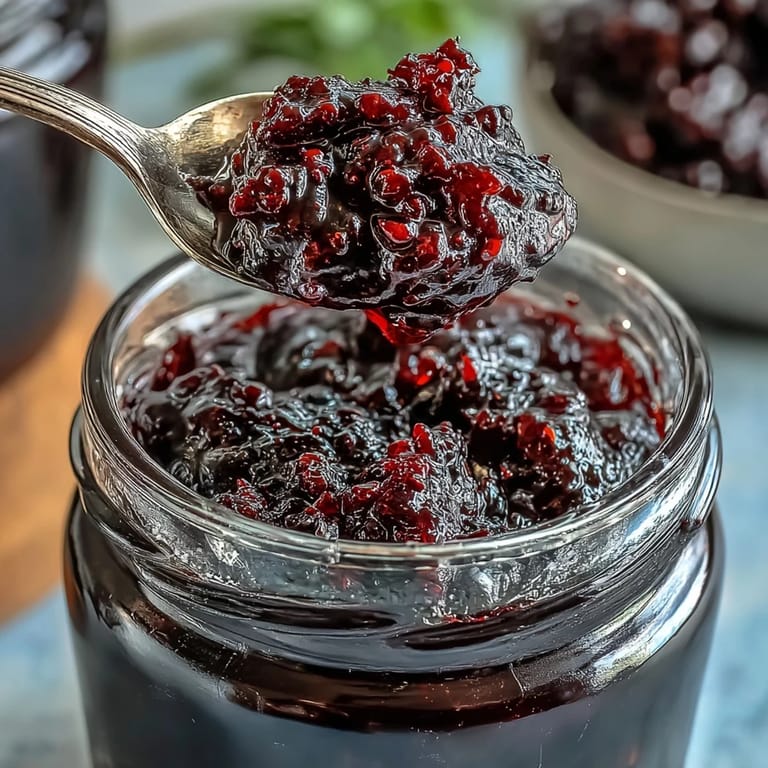
This vibrant jam is perfect for spreading generously on buttered toast or freshly baked scones. It also makes a wonderful addition to your morning routine when swirled into creamy yogurt or stirred into a warm bowl of oatmeal.
 Save to Pinterest
 This Homemade Black Currant Jam yields approximately 1 liter (4 cups) of preserve. Once cooled and labeled, it serves as a delicious staple for your pantry or a thoughtful handmade gift for friends and family.
Recipe FAQs
- → How do I know when the jam has reached setting point?
Place a drop of the hot mixture on a chilled plate from your freezer. Wait one minute, then gently push with your finger. If the surface wrinkles, your preserve has reached setting point and is ready to jar.
- → Can I use frozen blackcurrants instead of fresh?
Yes, frozen berries work perfectly. Thaw them completely before starting and drain any excess liquid. You may need to cook for an additional 2-3 minutes to account for the extra moisture content.
- → How long will this preserve keep?
Properly sealed jars stored in a cool, dark place will remain good for up to 12 months. Once opened, refrigerate and consume within 4 weeks for best quality and flavor.
- → Why is lemon juice added to the mixture?
Lemon juice provides acidity which helps balance the sweetness and activates natural pectin in the fruit. This ensures your preserve sets properly while adding a bright, tangy note that enhances the blackcurrant flavor.
- → Can I reduce the amount of sugar?
Sugar acts as both sweetener and preservative. Reducing below the recommended ratio may affect setting ability and shelf life. For lower sugar options, consider using specialized preserving sugar with added pectin.