 Save to Pinterest
 My first attempt at homemade liqueur came on a whim, standing in a farmers market where an older French woman was selling blackcurrants from her garden. She mentioned offhandedly that the best Crème de Cassis comes from patience, not fancy equipment, and something about that stuck with me. I bought a bag that day without a real plan, just curious about whether I could actually make something that tasted like the bottles gathering dust in fancy shops. Seven days later, when I finally uncapped that jar, the kitchen filled with the most intoxicating dark berry aroma, and I understood what she meant about time doing most of the work.
I'll never forget serving this to friends on a cold evening, mixed into Champagne, and watching their eyes light up the moment they tasted it. One person asked if I'd bought it at a wine shop, which felt like the highest compliment possible. That's when I realized this recipe had become my quiet kitchen achievement, the thing I make when I want to feel like I actually know what I'm doing.
Ingredients
- Blackcurrants: Fresh ones are essential here, their tartness and depth are what make this liqueur sing, so don't try to substitute with other berries no matter how tempting.
- Granulated sugar: This dissolves evenly and sweetens without adding unwanted flavor, trust the ratio even though it seems like a lot.
- Vodka or neutral spirit: Choose something you'd drink on its own because it becomes the backbone of your liqueur, anything less than 40% ABV won't preserve it properly.
- Vanilla bean: Optional but transforms the whole thing into something richer and more complex, worth hunting down if you're serious about this.
Tired of Takeout? 🥡
Get 10 meals you can make faster than delivery arrives. Seriously.
One email. No spam. Unsubscribe anytime.
Instructions
- Crush and combine:
- Pour your blackcurrants into a sterilized jar and smash them gently with a wooden spoon or potato masher, just enough to break them open and release their deep purple juice. You want berries that look bruised, not obliterated.
- Add the spirit:
- Pour in the vodka and add the vanilla bean if you're using it, then stir everything together until the sugar starts to dissolve. The mixture will look loose and watery but don't worry, this is exactly right.
- Seal and store:
- Screw the lid on tight and tuck the jar into a cool, dark cupboard where you won't be tempted to open it constantly. This is where patience becomes your secret ingredient.
- Shake daily:
- Every single day for a week, shake or stir the jar for a few seconds to help the sugar dissolve and encourage the flavors to mingle. This gentle daily attention is what separates homemade liqueur from something that tastes like regret.
- Strain and filter:
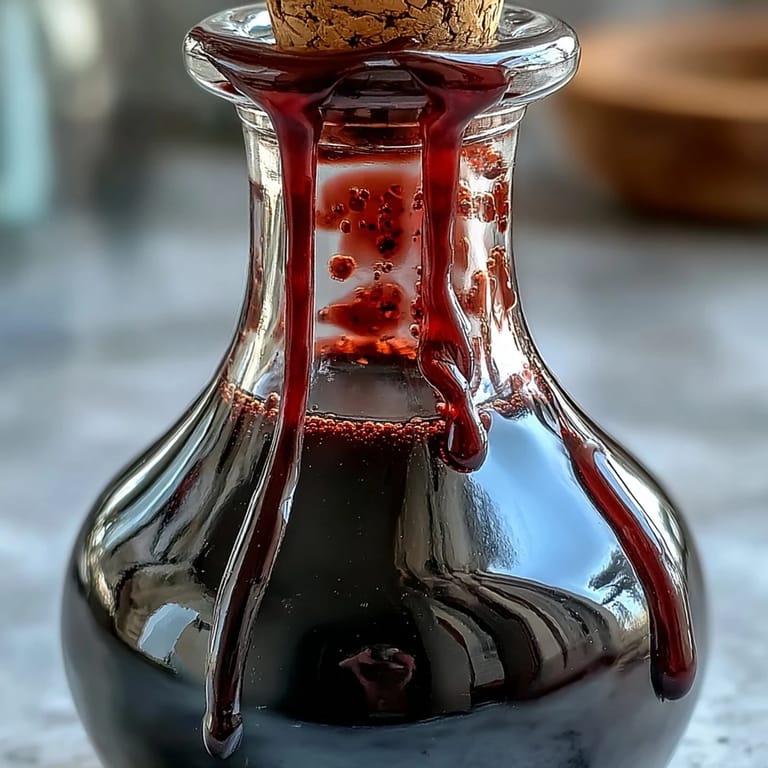
- After seven days, pour everything through a fine mesh sieve lined with cheesecloth into a clean bowl, pressing the solids to extract every drop of dark liquid. If you want crystal clarity, pass it through cheesecloth a second time.
- Bottle and age:
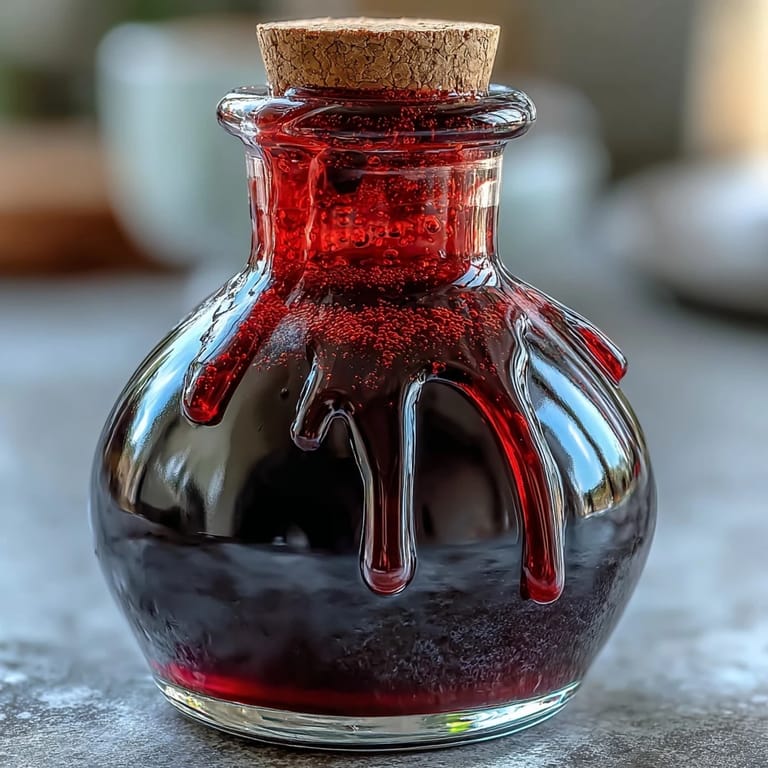
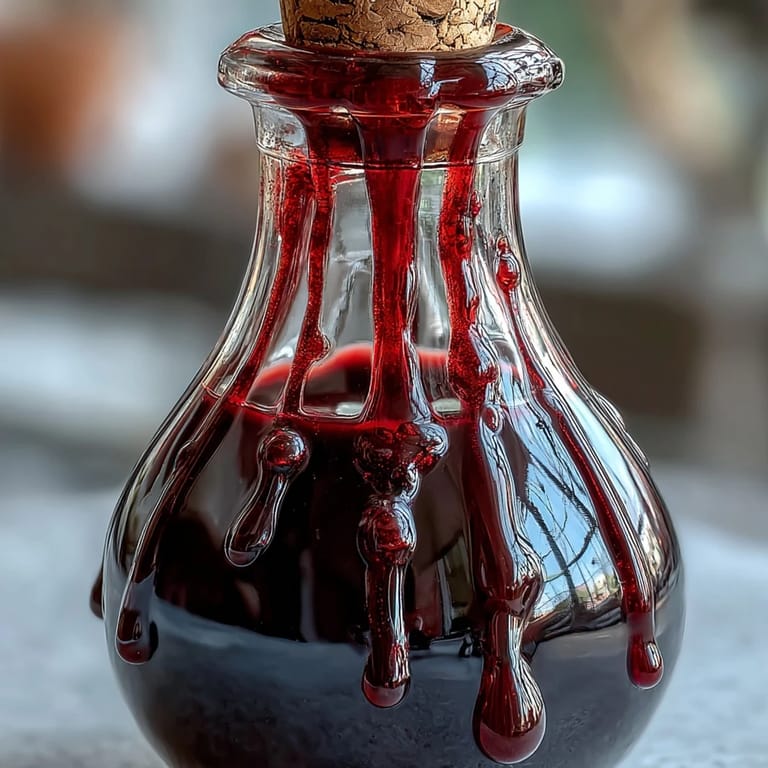
- Pour the finished liqueur into sterilized bottles and seal them tight, then store in a cool dark place where it will keep for a full year or longer. It's ready to use immediately but gets more refined with a few weeks of rest.
 Save to Pinterest
 There was a moment, halfway through week one, when I caught myself opening the cupboard just to peek at the jar and smell it changing. That's when I realized this isn't really about making liqueur at all, it's about understanding that the best things in cooking can't be rushed. Now whenever someone asks my secret for hosting, I pour them a Kir and watch their face when they taste it.
Why Homemade Matters
Store-bought Crème de Cassis is fine, but it tastes like someone else's memory. When you make it yourself, you get to control the balance between sweet and tart, decide if you want vanilla notes or pure blackcurrant brightness, and know exactly what went into every bottle. There's also something quietly powerful about serving something you grew patient enough to create, especially something as luxurious as liqueur.
Cocktails and Uses
The classic move is a Kir, which is just white wine and a splash of this liqueur, and it makes you feel effortlessly French while barely trying. But I've drizzled this over vanilla ice cream, stirred it into dark chocolate ganache, and even added a teaspoon to sparkling water on lazy afternoons when I wanted something fancy but simple. Once you have a bottle in your cupboard, you'll find a hundred reasons to use it.
Storage and Longevity
Keep your bottles in a cool, dark place away from direct sunlight, because light will fade the color and damage the delicate flavors you worked a week to develop. Properly stored, this liqueur will keep for up to a year, though honestly it rarely lasts that long in my kitchen.
- If your bottle develops cloudiness or a strange smell, trust your instincts and don't drink it.
- A homemade label with the date you made it turns these into perfect gifts that feel thoughtful and personal.
- Taste it occasionally after a few weeks, you might be surprised how it deepens and smooths out with time.
 Save to Pinterest
 Making Crème de Cassis is proof that the most elegant things come from the simplest ingredients and a little bit of time. Once you've made it once, you'll find yourself making it again and again.
Recipe FAQs
- → What is Crème de Cassis used for?
This French blackcurrant liqueur is primarily used in classic cocktails like Kir (mixed with white wine) and Kir Royale (combined with champagne). It also serves as an excellent dessert ingredient or can be enjoyed simply over ice.
- → How long does homemade Crème de Cassis last?
When stored properly in a cool, dark place, your homemade creation will keep for up to one year. The flavor actually improves with age, so it's worth making in advance.
- → Can I adjust the sweetness level?
Absolutely. For a sweeter liqueur, increase the sugar by 50–100 grams. The proportions can be adjusted to your personal taste preferences.
- → What alcohol works best for this?
Vodka or any neutral spirit with 40% ABV minimum works perfectly. For a richer flavor profile, substitute vodka with brandy instead.
- → Why do I need to shake the jar daily?
Daily shaking helps dissolve the sugar and ensures even flavor distribution throughout the maceration process. This simple step maximizes the blackcurrant infusion.
- → Can I skip the vanilla bean?
Yes, the vanilla bean is optional. It adds subtle depth but the traditional version works perfectly without it.