 Save to Pinterest
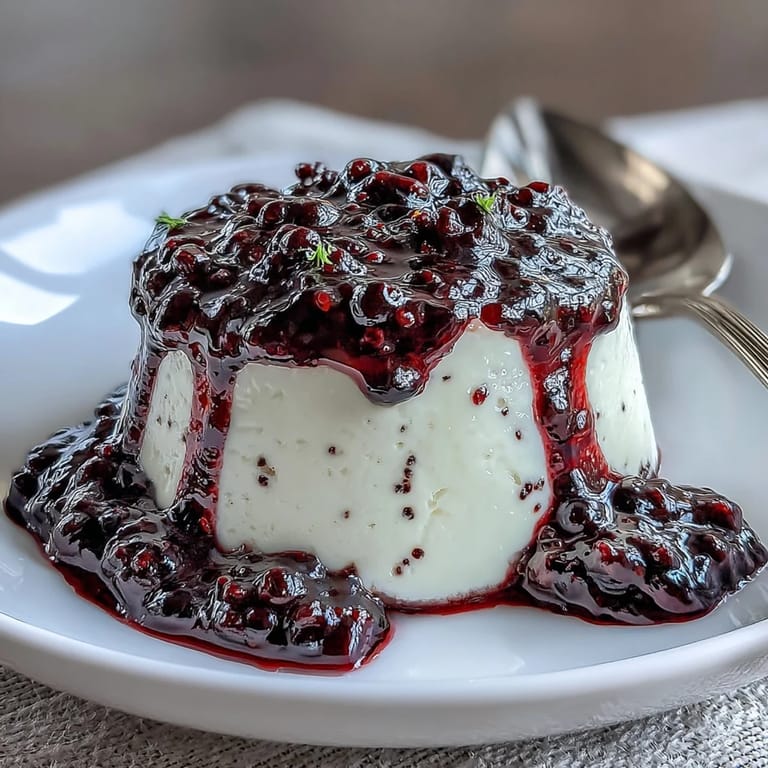
 My neighbor showed up one afternoon with a handful of black currants from her garden, the berries so dark they were almost black, and asked if I knew what to do with them. I didn't, not really, but something about their tartness made me want to turn them into something that could sit prettily on a plate. Two weeks later, I was drizzling this glossy sauce over store-bought cheesecake at a dinner party, and someone asked for the recipe before they'd even finished their first bite. That's when I knew this little five-ingredient moment had staying power.
My daughter called it "fancy purple" when I first made it, and now it's become her favorite reason to raid the freezer section at the grocery store. We've turned sauce-making into a tiny ritual on lazy Sundays, where she pours the currants while I handle the heat, and somehow this ten-minute kitchen moment has become something we both look forward to.
Ingredients
- Black currants (fresh or frozen): Use whichever you have access to; frozen works just as beautifully and often costs less. The tartness is what makes this sauce sing, so don't skip them for milder berries unless you're experimenting.
- Granulated sugar: This sweetens the currants without any competing flavors, though you might need to taste and adjust depending on how tart your batch is.
- Water: The liquid helps everything cook evenly and creates that glossy base that makes the sauce cling to desserts.
- Cornstarch: Optional but worth it if you want that luxurious, slightly thick consistency that catches the light when you drizzle it. The slurry method prevents lumps.
- Lemon juice and vanilla extract: These are small additions that somehow feel essential, brightening the sauce without making it taste citrusy or vanilla-forward.
Tired of Takeout? 🥡
Get 10 meals you can make faster than delivery arrives. Seriously.
One email. No spam. Unsubscribe anytime.
Instructions
- Combine and heat:
- Pour the currants, sugar, and water into a small saucepan and set it over medium heat. You'll notice the berries start to glisten almost immediately as they begin to release their juices.
- Simmer gently:
- Stir occasionally and watch as the currants burst one by one, turning the entire mixture a deep purple-red. This takes about six to eight minutes, and the berries should look completely broken down and soft.
- Add the gloss (if using):
- Whisk the cornstarch with cold water until it's completely smooth, then stir it into the simmering sauce. You'll see it transform into something glossy and silky within a minute or two; don't skip this step if you want that restaurant-quality shine.
- Finish with flavor:
- Remove from heat and stir in the lemon juice and vanilla extract. Taste it and adjust if needed—tartness is the whole point, but you want balance.
- Strain or keep it rustic:
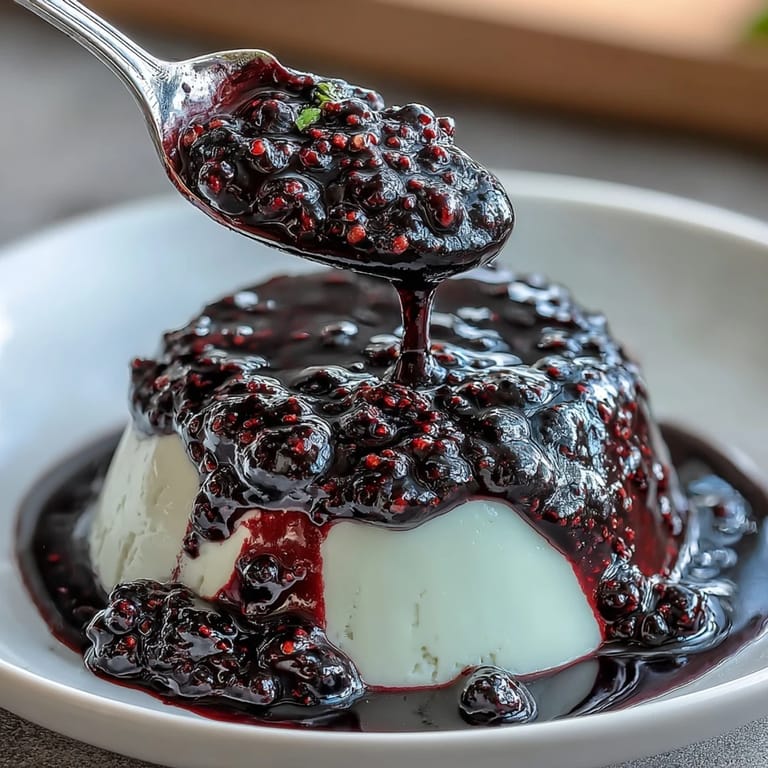
- Pour the sauce through a fine mesh sieve if you want a completely smooth, elegant finish, pressing the berries gently to extract every bit of flavor. Or leave it chunky if you prefer texture and a more relaxed presentation.
- Cool and thicken:
- Let it cool to room temperature, and it will thicken further as it sits. This is when the true consistency reveals itself, so be patient before serving.
 Save to Pinterest
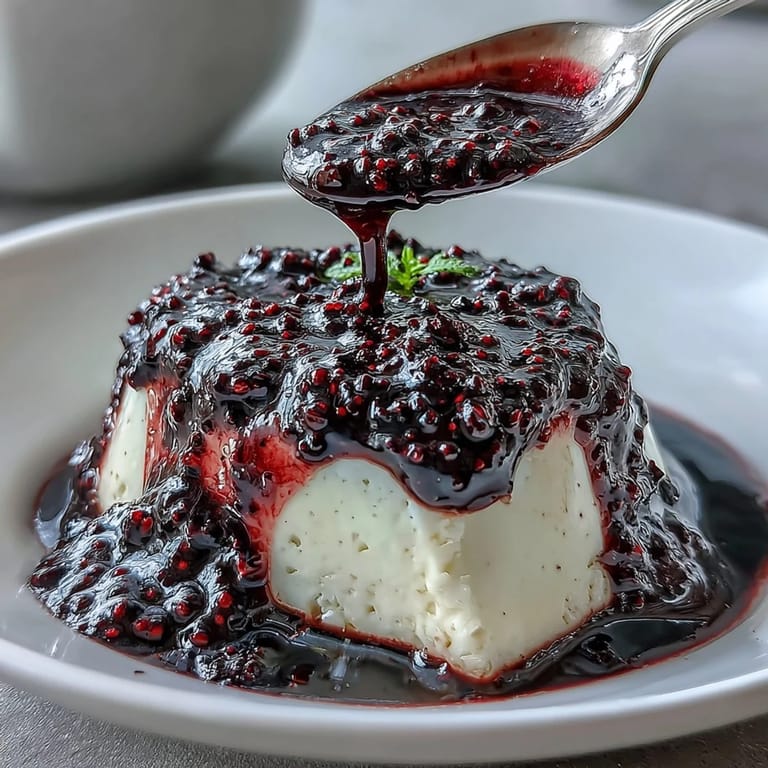
 There's a moment when you pour this over something white and simple—like plain vanilla ice cream or a slice of cheesecake—and it spreads into this glossy, jewel-toned pool that somehow makes the whole plate feel special. That's when you realize you've made something that elevates without trying too hard.
The Tartness Question
Black currants are naturally tart in a way that some people find shocking if they're expecting something berry-sweet like raspberries or strawberries. That tartness is exactly why they're worth using, though—it cuts through rich desserts and makes your palate wake up. If your particular batch tastes aggressive, add a tablespoon more sugar and taste again, but I'd encourage you to embrace the pucker at least once before you start adjusting.
Storage and Make-Ahead
This sauce keeps beautifully in the refrigerator for up to a week in an airtight container, and it actually improves slightly as the flavors meld. You can make it days ahead of a dinner party, which means one less thing to worry about when guests arrive.
Variations Worth Trying
Once you've made this with black currants and loved it, the possibilities multiply. The same technique works beautifully with raspberries (tangier), blackberries (earthier), or even a mix of frozen berries if that's what's in your freezer. The beauty of understanding the method means you can adapt it to whatever you have on hand, and each fruit will bring its own personality to the plate.
- Try swapping half the water for red wine if you're feeling adventurous and want deeper complexity.
- A tiny pinch of cardamom or black pepper adds an unexpected whisper of sophistication without announcing itself.
- Make double batches and freeze portions in ice cube trays for year-round access to this little luxury.
 Save to Pinterest
 This sauce has become the kind of thing I make without thinking anymore, which somehow makes it taste even better. There's something lovely about turning five simple ingredients into something that makes people pause mid-dessert and ask what it is.
Recipe FAQs
- → Can I use frozen black currants instead of fresh?
Yes, frozen currants work perfectly and may actually release their juices more readily during cooking. No need to thaw beforehand—simply add them directly to the saucepan with the sugar and water.
- → How long will this sauce keep in the refrigerator?
Store in an airtight container in the refrigerator for up to one week. The flavors may deepen over time, and the sauce will continue to thicken slightly as it sits.
- → Do I have to strain the sauce?
Straining is optional based on your texture preference. For a smooth, professional finish, pass through a fine sieve. For a rustic, chunkier sauce with more fruit body, skip this step entirely.
- → What other desserts pair well with this sauce?
Beyond cheesecake, panna cotta, and ice cream, try drizzling over vanilla pound cake, chocolate mousse, yogurt bowls, or even as a topping for pancakes and waffles at breakfast.
- → Can I substitute the granulated sugar?
Honey, maple syrup, or agave nectar can replace the sugar, though they may slightly alter the flavor profile. Reduce the amount slightly as these liquid sweeteners tend to be more intense.
- → Is cornstarch necessary for this sauce?
Cornstarch is optional—it simply adds extra gloss and thickness. The natural pectin in currants will provide some body on its own, especially if you cook it a bit longer to reduce the liquid.