 Save to Pinterest
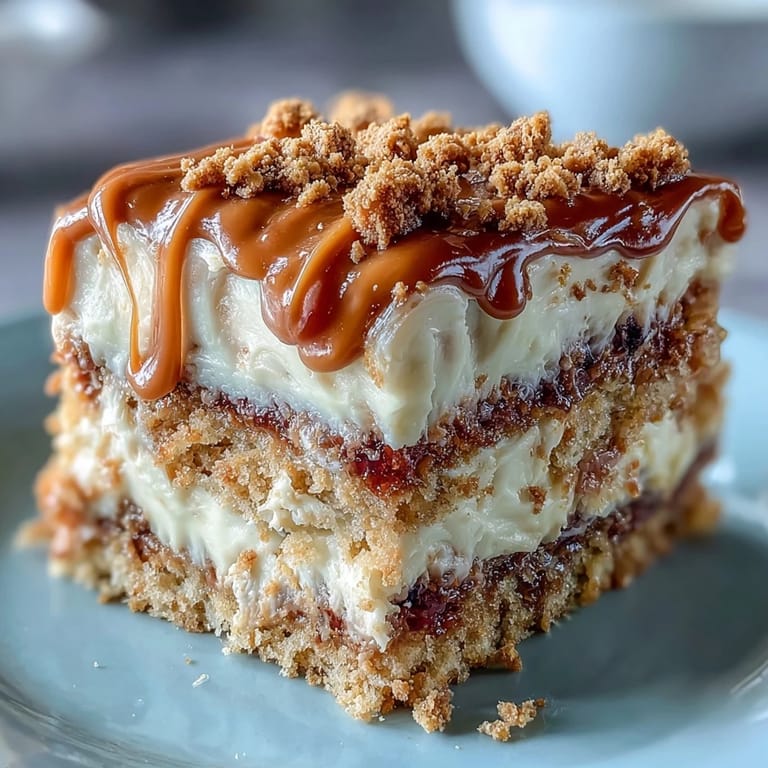
 One rainy afternoon, I opened a jar of Lotus spread just to taste it on a spoon, and before I knew it, half the jar was gone. That same week, I decided to bake it into a cake instead of just eating it straight from the container. The kitchen filled with the scent of caramelized spice and butter, and I knew I'd created something I'd be making over and over. This cake became my go-to whenever I wanted something that felt both comforting and a little indulgent.
I made this for a friend's birthday once, and she asked if I'd bought it from a bakery. When I told her it was homemade, she made me write down the recipe on the back of a napkin right there at the table. Since then, it's been requested at every gathering, and I've learned to double the frosting because people always want extra. There's something about the way the biscuit pieces soften slightly in the batter that makes each slice feel like a small celebration.
Ingredients
- Biscoff biscuits, crushed: These bring the signature spiced crunch and should be crushed into varied sizes, some fine and some chunky for texture.
- All-purpose flour: The foundation of the sponge, sifted to keep the crumb light and tender.
- Baking powder and baking soda: Together they give the cake a gentle rise without making it too airy or dry.
- Salt: Just a pinch balances the sweetness and brings out the caramel notes in the Lotus spread.
- Unsalted butter, softened: Use it at room temperature so it creams properly with the sugar and creates that fluffy base.
- Granulated sugar: Sweetens the cake and helps create structure when beaten with the butter.
- Large eggs: Add richness and bind everything together, so add them one at a time for a smooth batter.
- Vanilla extract: A warm backdrop that lets the Biscoff flavor shine without competing.
- Whole milk: Keeps the crumb moist and tender, don't substitute with anything too low in fat.
- Lotus spread (Biscoff spread): Swirled into the batter, it creates pockets of melted caramel magic throughout the cake.
- Powdered sugar: The base of the frosting, sifted to avoid any lumps in that silky finish.
- Heavy cream or milk: Thins the frosting to the perfect spreadable consistency, add it slowly until it feels right.
Tired of Takeout? 🥡
Get 10 meals you can make faster than delivery arrives. Seriously.
One email. No spam. Unsubscribe anytime.
Instructions
- Prep the Pan:
- Preheat your oven to 180°C (350°F) and grease a 9-inch round pan, then dust it lightly with flour or line it with parchment. This step prevents heartbreak when the cake sticks.
- Combine the Dry Ingredients:
- Sift the flour, baking powder, baking soda, and salt into a large bowl. Set it aside while you work on the wet mixture.
- Cream Butter and Sugar:
- Beat the softened butter and granulated sugar together on medium speed until it looks pale and fluffy, about 3 to 5 minutes. This step traps air and makes the cake light.
- Add Eggs and Vanilla:
- Mix in the eggs one at a time, letting each one blend in fully before adding the next. Stir in the vanilla extract until everything smells warm and sweet.
- Alternate Dry and Wet:
- Add the flour mixture in three parts, alternating with the milk, starting and ending with flour. Mix just until you can't see any dry streaks, overmixing makes the cake tough.
- Fold in Biscoff:
- Gently fold in the crushed Biscoff biscuits and Lotus spread until they're evenly distributed. The batter should look marbled and smell incredible.
- Bake the Cake:
- Pour the batter into the prepared pan, smooth the top, and bake for 35 to 40 minutes. A toothpick should come out clean when it's done.
- Cool Completely:
- Let the cake rest in the pan for 10 minutes, then turn it out onto a wire rack. Don't frost it until it's completely cool or the frosting will melt.
- Make the Frosting:
- Beat the softened butter until smooth, then gradually add powdered sugar on low speed. Mix in the Lotus spread, cream, and a pinch of salt, then beat on medium-high for 3 minutes until fluffy.
- Frost and Decorate:
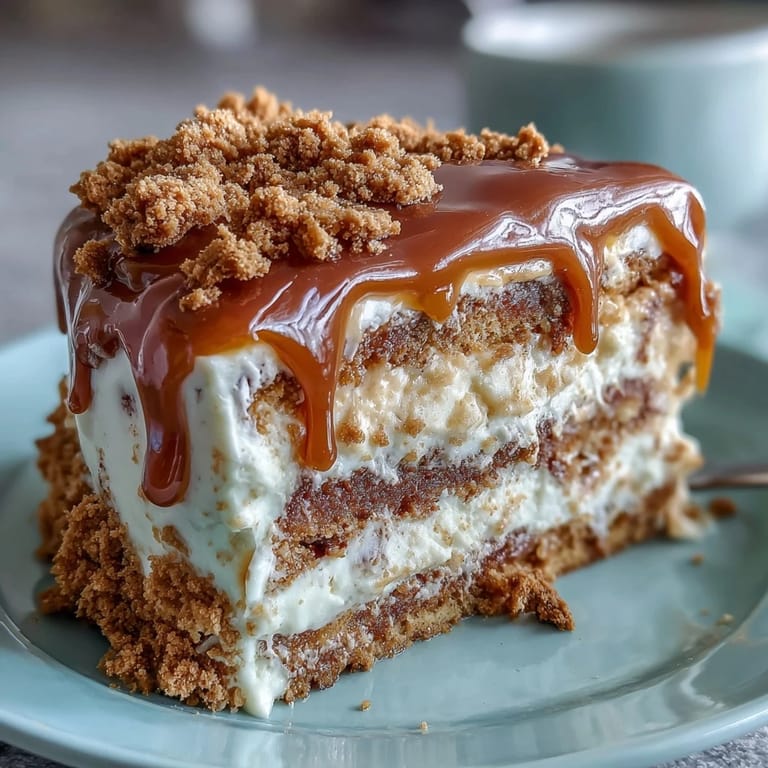
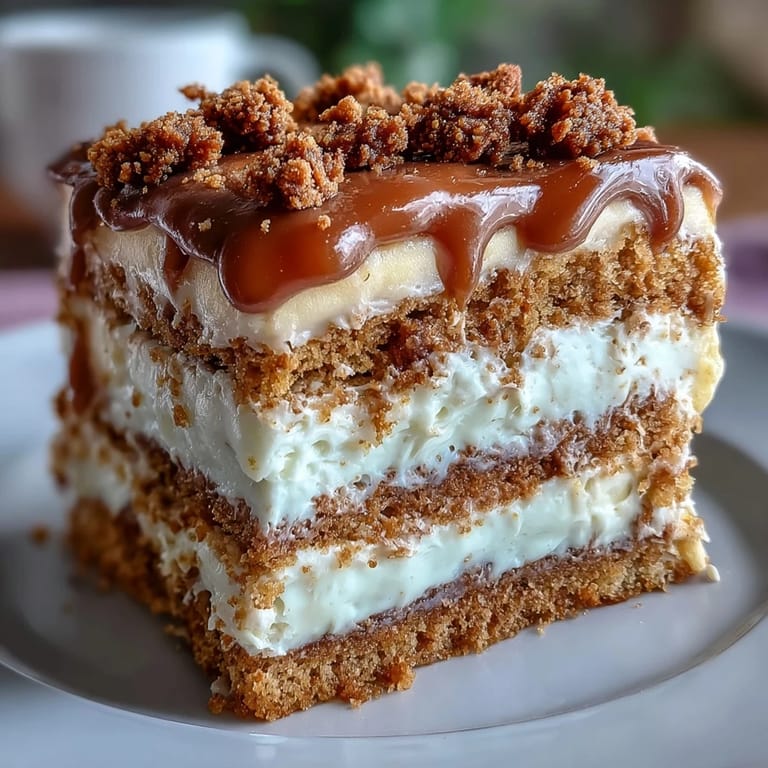
- Spread the frosting over the cooled cake using an offset spatula or knife. Sprinkle crushed Biscoff on top or drizzle extra Lotus spread for a bakery-style finish.
 Save to Pinterest
 The first time I brought this cake to a potluck, someone asked if they could take a slice home for their kid. By the end of the night, three people had done the same thing. It stopped being just dessert and became the thing people looked forward to, the cake that made them lean back in their chairs and sigh happily. I realized then that some recipes don't just feed people, they create little moments of joy that linger long after the plates are cleared.
How to Store Leftovers
Keep any remaining slices in an airtight container at room temperature for up to three days. The frosting stays creamy and the cake holds its moisture beautifully, so day-two slices are just as good as day one. If your kitchen runs warm, you can refrigerate it, but let it sit out for 20 minutes before serving so the frosting softens back up. I've never had leftovers last longer than two days, but if you do, they freeze well wrapped tightly in plastic for up to a month.
Customizing Your Cake
This recipe loves a little experimentation. Fold in chocolate chips if you want bursts of melted sweetness, or swap half the Biscoff biscuits for crushed graham crackers for a milder spice. I once added a handful of chopped pecans and it added a toasty crunch that made everyone ask what my secret was. You can also pipe the frosting instead of spreading it if you want something that looks bakery-perfect, just use a star tip and work in swirls from the outside in.
Serving Suggestions
This cake shines next to a cup of strong coffee or black tea, the bitterness cuts through the sweetness in the best way. Serve it at room temperature so the frosting is soft and the Biscoff pieces have that perfect chew. A small scoop of vanilla ice cream on the side never hurt anyone, especially if you're serving it warm from the oven before frosting.
- Pair with espresso or a latte for an afternoon treat that feels like a café moment at home.
- Serve with fresh berries on the side to add a hint of brightness against all that caramel richness.
- Drizzle extra Lotus spread over each slice just before serving for an over-the-top finish.
 Save to Pinterest
 Every time I pull this cake out of the oven, I'm reminded why baking is worth the mess and the wait. It's one of those recipes that feels like a hug in dessert form, and I hope it becomes a favorite in your kitchen too.
Recipe FAQs
- → Can I make the cake ahead of time?
Yes, bake the sponge up to two days in advance. Wrap tightly in plastic and store at room temperature. Frost on the day of serving for the freshest texture and appearance.
- → What's the best way to crush Biscoff biscuits?
Place biscuits in a sealed plastic bag and crush with a rolling pin for uneven, rustic chunks. For finer crumbs, pulse briefly in a food processor—just don't overprocess into powder.
- → How do I know when the cake is done baking?
Insert a toothpick into the center—it should come out clean or with just a few moist crumbs. The edges should pull slightly away from the pan, and the top should spring back when gently pressed.
- → Can I substitute Lotus spread?
Speculoos or other cookie butter spreads work well. For a different flavor profile, try peanut butter or chocolate hazelnut spread, though the characteristic spiced caramel notes will change.
- → Why did my cake turn out dense?
Overmixing the batter after adding flour develops too much gluten, creating a heavy texture. Mix just until ingredients are incorporated, and ensure your butter and eggs are at room temperature for proper aeration.
- → How should I store leftovers?
Keep in an airtight container at room temperature for up to three days. The frosting softens slightly in warmer weather—if your kitchen is hot, refrigerate but bring to room temperature before serving for the best texture.