 Save to Pinterest
 The first time I made this roasted vegetable soup, rain was tapping against my kitchen window and I had a hodgepodge of vegetables threatening to soften in my refrigerator drawer. The oven's warmth filled my apartment as those chunks of carrot and sweet potato caramelized, their edges curling and darkening. What began as a practical solution to use up produce transformed into a ritual I now crave when the weather turns crisp.
Last autumn, I brought a thermos of this soup to my friend's outdoor gathering, not expecting much fanfare. As everyone huddled around the firepit, passing the thermos between mittened hands, the conversation quieted to appreciative murmurs. Even my friend's picky six-year-old asked for seconds, dipping her bread crust into the velvety orange liquid with unusual concentration.
Ingredients
- Seasonal vegetables: The heart of this soup lies in the medley of carrots, sweet potato, bell pepper, zucchini, red onion, and garlic, each bringing its own character to the final blend.
- Olive oil: A good quality oil makes all the difference when roasting, creating that beautiful caramelization that translates to deep flavor.
- Smoked paprika: Just half a teaspoon transforms the soup, adding a subtle smokiness that makes people wonder what your secret ingredient might be.
- Vegetable broth: I prefer low-sodium versions so I can control the final seasoning, and homemade is wonderful if you have it.
- Herbs: Dried thyme and rosemary stand up well to roasting, but fresh herbs as garnish brighten everything at the end.
Tired of Takeout? 🥡
Get 10 meals you can make faster than delivery arrives. Seriously.
One email. No spam. Unsubscribe anytime.
Instructions
- Prepare your vegetable medley:
- Chop everything into roughly similar-sized chunks so they cook evenly. I aim for about 1-inch pieces, knowing they'll shrink a bit during roasting.
- Roast with intention:
- Spread vegetables in a single layer, giving them breathing room on the baking sheet. Overcrowding leads to steaming rather than the caramelization we're after.
- Season before roasting:
- Adding herbs and spices before the vegetables go into the oven allows the flavors to bloom in the heat. A generous pinch of salt at this stage draws out moisture and concentrates flavor.
- Mind the halfway mark:
- When you turn the vegetables halfway through roasting, take a moment to appreciate the developing colors and aromas. Those darkened edges are pure gold for flavor.
- Blend with care:
- If using a countertop blender, work in batches filling only halfway and covering with a kitchen towel instead of sealing completely. Hot liquids expand when blended and can cause dangerous spills.
- Garnish thoughtfully:
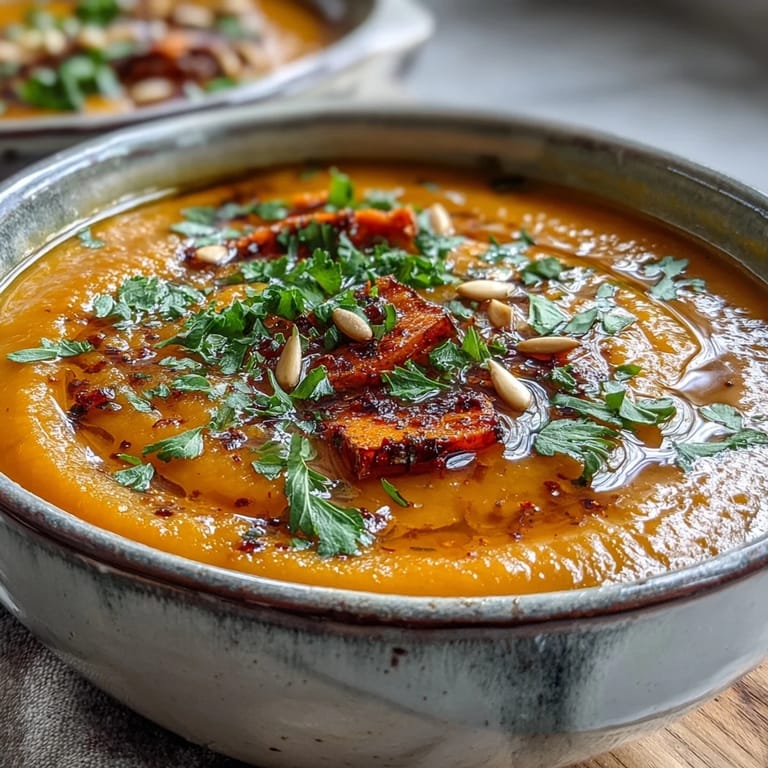
- The final touches aren't mere decoration but crucial flavor and texture contrasts. A drizzle of good olive oil creates little pools of richness on the surface.
 Save to Pinterest
 I remember serving this soup at a dinner party where a guest was going through a difficult time. She called the next day to ask for the recipe, explaining that it was the first meal that had truly comforted her in weeks. Something about the earthy sweetness and silky texture had reached beyond her appetite to soothe something deeper. Food is medicine in more ways than we often acknowledge.
Storing and Make-Ahead Tips
This soup actually improves with a day of rest in the refrigerator as the flavors meld and deepen. I often make a double batch specifically to portion and freeze in individual containers for emergency comfort meals. Allow it to cool completely before refrigerating or freezing, and when reheating, do so gently on the stovetop with an occasional stir to prevent scorching.
Customization Options
The beauty of this recipe lies in its adaptability. Winter calls for hearty root vegetables like parsnips and turnips, while summer might welcome yellow squash or even corn kernels cut from the cob. For additional protein, white beans blend beautifully into the soup, and a dollop of Greek yogurt creates a creamy tang that balances the sweetness of the roasted vegetables.
Serving Suggestions
While this soup stands confidently on its own, it shines as part of a larger meal tableau. Crusty sourdough bread for dipping is non-negotiable in my household, where we tear off chunks and use them as edible spoons to scoop up the last drops.
- For a complete meal, serve with a hearty grain salad dressed simply with lemon and olive oil.
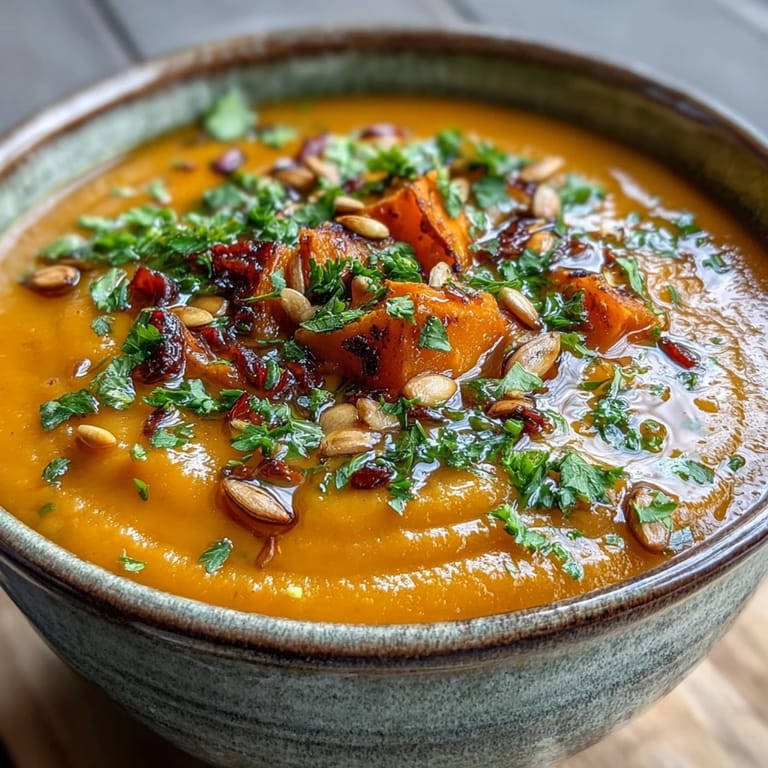
- A handful of roasted pumpkin seeds or sunflower seeds adds welcome crunch and nutritional boost.
- Consider a swirl of herb oil made by blending fresh herbs with olive oil for both visual appeal and flavor complexity.
 Save to Pinterest
 This soup reminds us that humble ingredients, treated with care and attention, can transform into something extraordinary. Its the perfect canvas for your own kitchen story to unfold.
Recipe FAQs
- → Can I use different vegetables?
Absolutely. This versatile soup works with parsnips, butternut squash, leeks, or whatever seasonal vegetables you have on hand. Just aim for about 6-7 cups total chopped vegetables and adjust roasting time as needed.
- → How long will this soup keep?
The soup refrigerates well for up to 3 days. The flavors actually deepen and improve after sitting. Reheat gently on the stovetop, adding a splash of broth if it has thickened too much.
- → Can I make this creamy?
Yes. Stir in a splash of coconut milk, heavy cream, or even cashew cream before blending for a richer, creamier texture. This adds about 20-30 calories per serving.
- → Is this freezer-friendly?
This soup freezes beautifully for up to 3 months. Cool completely before transferring to airtight containers. Thaw overnight in the refrigerator and reheat gently on the stovetop.
- → What blender works best?
An immersion blender is easiest and safest for hot soup. If using a countertop blender, work in small batches and remove the center cap of the lid to let steam escape, covering with a kitchen towel.