 Save to Pinterest
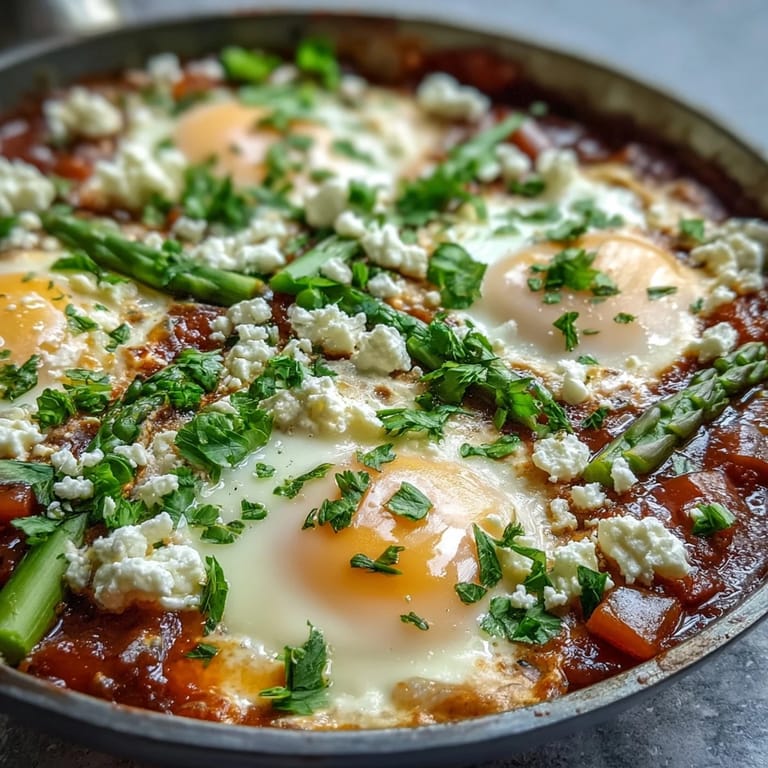
 The first time I made pea and broad bean shakshuka was on a bright spring morning when the farmers' market was bursting with the season's first green treasures. I'd been making traditional shakshuka for years, but something about those vibrant peas and tender broad beans called to me. The way the runny egg yolks mingled with the spring vegetables created a harmony that felt like sunshine on a plate. Sometimes the best recipes come from what's available rather than what's planned.
Last May, I served this to friends who dropped by unexpectedly on a Sunday morning after a farmers market run. We gathered around the table, tearing pieces of crusty bread and dipping them into the vibrant sauce and wobbly eggs. The conversation flowed as easily as the wine we opened, because sometimes breakfast becomes brunch becomes an afternoon of laughter. Even my friend who typically avoids vegetarian meals couldn't stop raving about it.
Ingredients
- Fresh peas and broad beans: The heart and soul of this spring shakshuka, providing sweet pops of texture that traditional versions lack.
- Asparagus: Adds a subtle grassiness that anchors all the flavors together, try to find spears of similar thickness for even cooking.
- Smoked paprika: This is non-negotiable in my kitchen, providing that crucial depth that makes people wonder what your secret ingredient might be.
- Feta cheese: The salty finish that balances the sweetness of the vegetables, I prefer Greek feta that comes in blocks rather than pre-crumbled for better texture.
Tired of Takeout? 🥡
Get 10 meals you can make faster than delivery arrives. Seriously.
One email. No spam. Unsubscribe anytime.
Instructions
- Blanch the green gems:
- Start by giving the peas and broad beans a quick bath in boiling water, just until they brighten in color. The ice bath that follows isnt just chef fussiness, it actually locks in that vivid green color.
- Build your flavor base:
- As the onions and peppers soften in the pan, your kitchen will fill with the most comforting aroma. When you add those aromatic spices, take a moment to inhale deeply, this is cooking therapy at its finest.
- Create the tomato cradle:
- Let the tomato sauce simmer unhurried, giving it time to thicken slightly and concentrate in flavor. You want a consistency that will support the eggs without completely swallowing them.
- Introduce the spring vegetables:
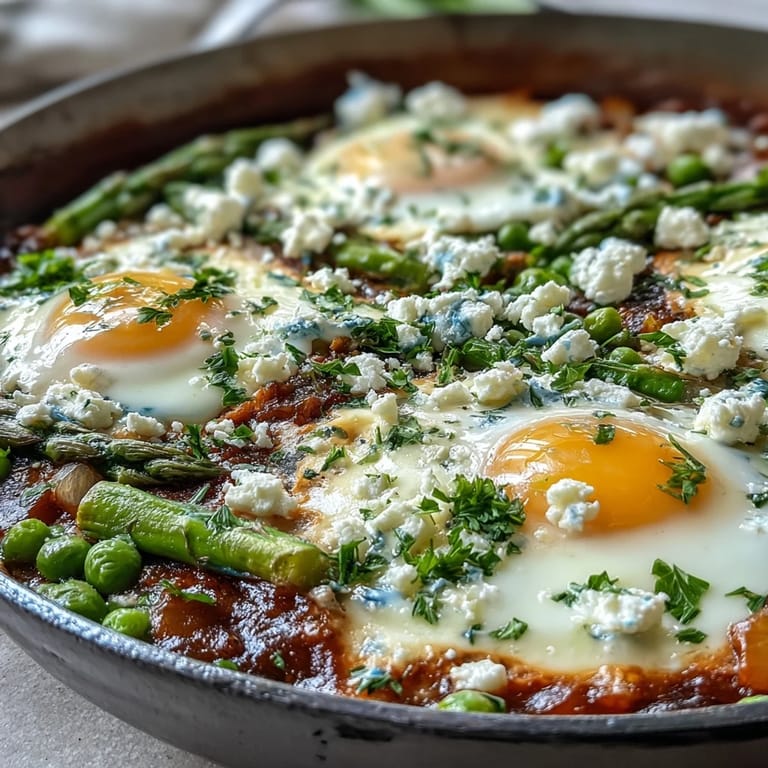
- Fold in your blanched peas, beans, and fresh asparagus with gentle care. These are the stars of the show, so let them nestle into the sauce without overcooking.
- Nestle those eggs:
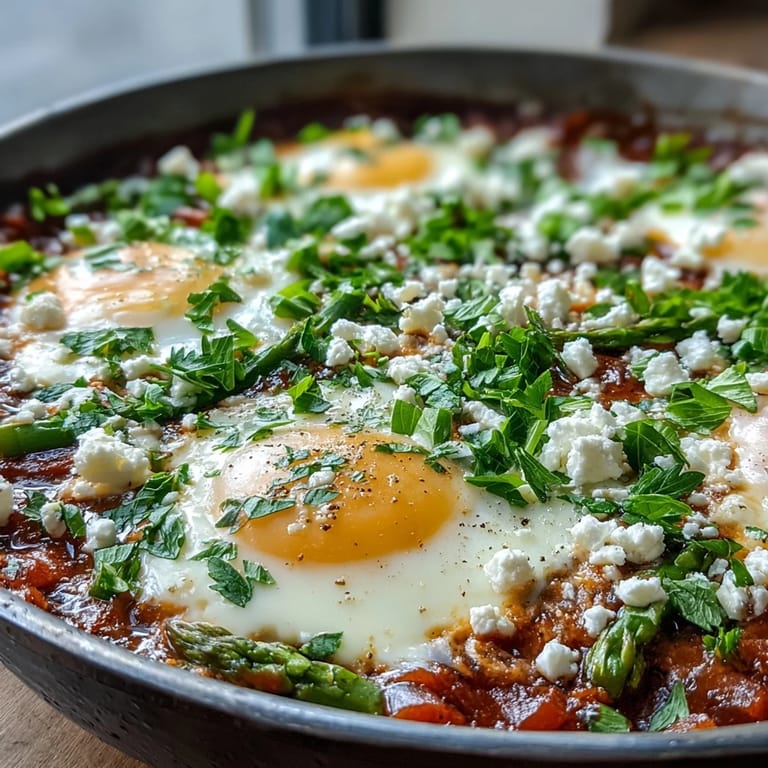
- Use the back of a spoon to create wells for each egg, then crack them in with confidence. Cover the pan and resist the urge to peek too often, the steam is working its magic.
- Finish with flair:
- The final touch of feta, herbs, and olive oil isnt just garnish, its the crowning glory. This is the moment when a good dish becomes memorable.
 Save to Pinterest
 My neighbor Emily, who swore she hated broad beans, became an instant convert after trying this shakshuka at an impromptu garden brunch. She said the combination of the runny eggs with the tender beans made her realize she had been overcooking them all her life. Now this dish has become our spring tradition whenever the first broad beans appear at the market, a little ritual that marks the changing of seasons better than any calendar.
Serving Suggestions
While crusty bread is the traditional accompaniment, Ive found that warm flatbreads offer the perfect vehicle for scooping up every last bit of sauce. For casual brunches, I place the skillet directly on the table on a wooden board with extra herbs, lemon wedges, and a small dish of sea salt flakes so everyone can adjust to taste. Theres something deeply satisfying about gathering around a single pan, each person carving out their own portion.
Make It Your Own
The beauty of shakshuka lies in its adaptability to whatever vegetables you have on hand. In summer, I swap the spring vegetables for zucchini and cherry tomatoes, while autumn brings versions with butternut squash and kale. The spice blend can shift too, sometimes toward more heat with harissa paste, other times toward warmth with a pinch of cinnamon and allspice. The constant is that base of gently cooked eggs in a flavorful vegetable-rich sauce.
Troubleshooting Tips
The trickiest part of this recipe is achieving perfectly cooked eggs with set whites and runny yolks. If your sauce is bubbling too vigorously, the egg whites will become tough before the yolks have time to warm through. Keep the heat low and the lid on tight to create a gentle steam bath environment for those precious eggs. Trust your instincts and remember that a slightly underdone egg will continue cooking after you remove it from heat.
- If your sauce seems too watery, let it reduce a bit longer before adding the eggs, as excess moisture will prevent proper setting.
- For prettier presentation, crack each egg into a small cup first, then slide it into its well in the sauce.
- Leftovers can be gently reheated, but accept that the eggs will firm up completely, still delicious just different.
 Save to Pinterest
 This spring shakshuka has become more than just a recipe in my collection, its a celebration of seasonal abundance that reminds me to slow down and savor. Whether for weekend guests or a special weeknight dinner for one, its a reminder that sometimes the simplest ingredients create the most memorable meals.
Recipe FAQs
- → Can I use frozen vegetables instead of fresh?
Yes, frozen peas and broad beans work perfectly in this dish. Simply blanch them briefly in boiling water before adding to the tomato sauce, reducing the initial blanching time to 1 minute.
- → How do I know when the eggs are cooked properly?
The eggs are ready when the whites are completely set but opaque, while the yolks remain slightly jiggly when you gently shake the pan. This typically takes 7-10 minutes over low heat with the lid on.
- → What can I serve with this shakshuka?
Crusty bread, flatbreads, or pita are ideal for scooping up the sauce and runny yolks. A crisp white wine or sparkling water with lemon complements the fresh flavors beautifully.
- → Can I make this dish ahead of time?
You can prepare the vegetable sauce up to a day in advance and reheat it gently. Add the eggs just before serving, as they cook best in freshly simmered sauce.
- → How can I make this vegan?
Omit the eggs and feta cheese. Add a can of drained chickpeas during the final simmering stage to provide protein, or top with vegan cheese alternatives before serving.