 Save to Pinterest
 The first time I encountered Omani Shuwa, it wasn't in a recipe book but in a kitchen filled with the kind of spice-laden steam that makes your eyes water and your mouth water simultaneously. My friend's mother was preparing it for a celebration, and watching her work with those banana leaves—wrapping them around the meat like she was tucking a child into bed—made me understand that this dish carries generations of care within it. The aroma alone told me this wasn't just food; it was a ritual.
Years later, I made Shuwa for my family during a particularly cold autumn, and something shifted in how we gathered around the table that evening. The unwrapped meat released this cloud of warmth and fragrance, and people slowed down, talked less, ate more thoughtfully. That's when I realized Shuwa isn't a dish you rush through—it demands presence.
Ingredients
- Bone-in lamb shoulder or leg, 2.5 kg: The bones contribute essential richness and help the meat stay moist during the long cook; beef or goat work beautifully if lamb isn't available.
- Garlic paste, 4 tbsp: Fresh garlic paste penetrates deeper than powdered garlic and creates a more authentic, pungent foundation for the marinade.
- Ginger paste, 2 tbsp: This adds warmth and a subtle sharpness that cuts through the richness of the meat without overpowering the other spices.
- Ground coriander, 2 tbsp: It's the quiet backbone of this spice blend, providing earthiness and a faint citrus note that ties everything together.
- Ground cumin, 1.5 tbsp: Cumin adds a toasted, slightly nutty depth that makes people ask what the secret ingredient is.
- Ground cinnamon, 1 tbsp: Yes, cinnamon in savory meat—it brings warmth and an almost imperceptible sweetness that rounds out the spice profile.
- Ground cardamom, 1 tbsp: This is the luxury spice, the one that makes Shuwa feel ceremonial and distinctly Middle Eastern.
- Ground black pepper, 1 tbsp: Don't skimp here; it provides bite and prevents the dish from tasting too sweet or one-dimensional.
- Ground cloves, 2 tsp: A potent spice—use exactly this amount or it can overpower everything else.
- Paprika, 2 tsp: It contributes color and a mild, slightly sweet pepper flavor that softens the harsher spices.
- Turmeric, 1 tsp: Beyond its earthy warmth, turmeric acts as a natural tenderizer and adds complexity.
- Chili powder, 2 tsp: Adjust based on your heat preference; this should warm rather than burn.
- Salt, 2 tsp: Taste as you go; the meat will draw in salt, so you may need less than you'd expect.
- White vinegar, 1/4 cup: The acid helps tenderize the meat and balances the richness of all those spices.
- Vegetable oil, 1/4 cup: This helps the marinade coat the meat evenly and prevents it from drying during the long cook.
- Lemon juice, from 2 lemons: Fresh lemon adds brightness and acts as both tenderizer and flavor enhancer.
- Banana leaves, 4–6 large: They impart a subtle, authentic flavor that you simply cannot replicate; find them in Asian or Middle Eastern markets, frozen is fine.
- Kitchen twine or foil: Choose twine if using banana leaves for authenticity, or foil if you need a more reliable seal.
Tired of Takeout? 🥡
Get 10 meals you can make faster than delivery arrives. Seriously.
One email. No spam. Unsubscribe anytime.
Instructions
- Mix your spice universe:
- Combine every single spice, paste, vinegar, oil, and lemon juice in a large bowl and stir until it forms a thick, fragrant paste. Breathe in that moment—this is the heart of Shuwa.
- Score and season the meat:
- Using a sharp knife, make deep diagonal cuts about 1 cm apart across the entire surface of the meat, going about halfway through. This isn't decorative; these cuts are channels for the marinade to travel deep into the meat where it matters most.
- Marry meat and marinade:
- Massage the spice paste all over the meat, pressing it firmly into every cut and crevice. Don't be shy—your hands are the best tool here, and this tactile moment connects you to the tradition of the dish.
- Let time do its work:
- Wrap the meat tightly in plastic wrap or transfer to a large container, cover, and refrigerate for 8 to 24 hours. The longer it sits, the more tender and deeply flavored it becomes; 24 hours is ideal if you can manage it.
- Prepare your oven sanctuary:
- Preheat your oven to 160°C (320°F). This low, slow temperature is essential; higher heat will dry the meat instead of coaxing it to tenderness.
- Wrap in tradition:
- Remove the meat from the fridge about 30 minutes before cooking. Lay out your banana leaves and wrap the marinated meat tightly, overlapping the leaves so nothing escapes. Secure with kitchen twine, tying it snugly but not so tight that it crushes the meat.
- Nestle into the heat:
- Place the wrapped meat in a deep roasting pan and cover it with a lid or another layer of foil to trap steam. This creates an environment where the meat becomes impossibly tender.
- The long, fragrant wait:
- Roast for 4 to 6 hours, depending on the size and thickness of your meat. You'll know it's done when a fork pierces it like butter and the meat threatens to fall off the bone.
- The unwrapping moment:
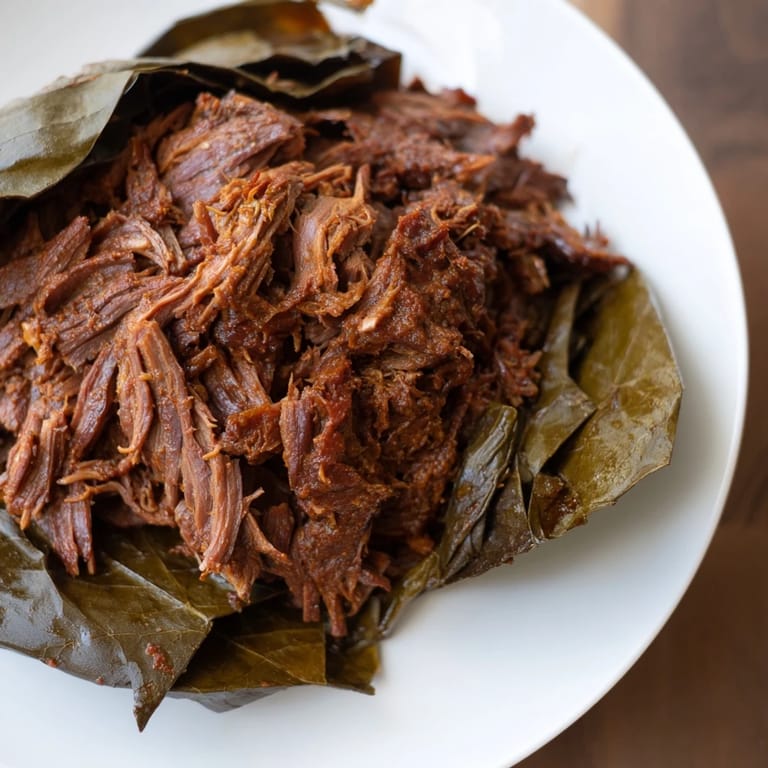
- Remove from the oven and let it rest for 10 minutes before carefully unwrapping. The steam will be intense and fragrant—step back for a moment and let it dissipate before handling the meat.
- Shred and serve:
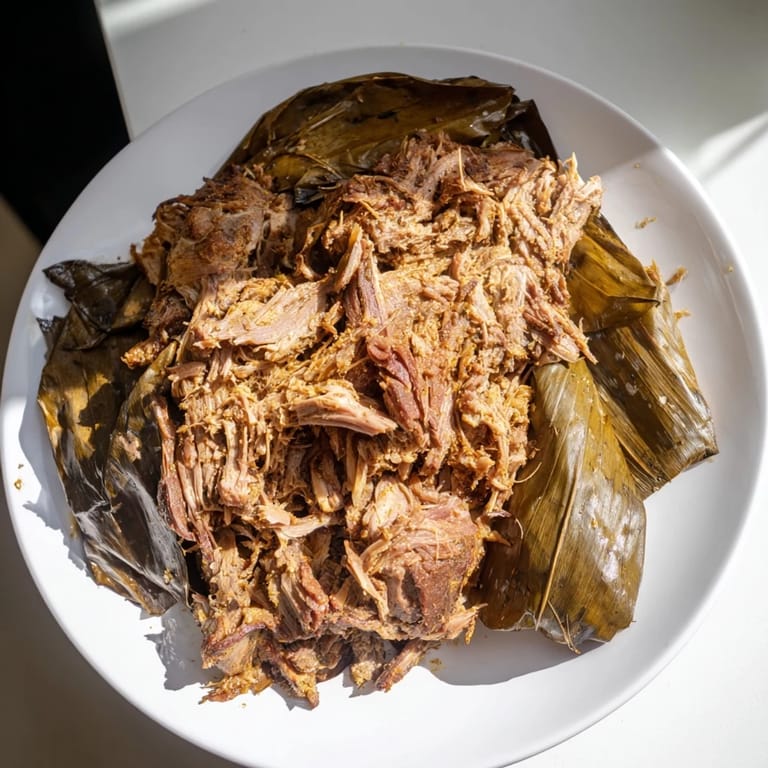
- Using two forks or your hands, shred the meat into tender strands or carve it into thick pieces. Serve immediately with rice, flatbread, salad, and a cooling yogurt sauce to balance the spices.
 Save to Pinterest
 I remember the first time someone in my family took a bite and closed their eyes, and I understood then that Shuwa transcends being a dish—it becomes a conversation starter, a reason people linger at the table, a meal that feels like an embrace.
Finding Your Banana Leaves
Banana leaves changed how I think about cooking. Before Shuwa, I'd never considered that a leaf could be more than decoration, that it could contribute flavor and moisture while also being practical and beautiful. Check Asian markets, Middle Eastern markets, or even some larger grocery stores in the frozen section. If you're truly stuck, parchment paper works functionally, though foil is more reliable for sealing; neither gives you that subtle, authentic taste, but the meat will still be extraordinary.
The Spice Blend Explained
This particular combination of spices isn't random—it's been refined over generations of Omani cooking. The cardamom, cinnamon, and cloves create sweetness; the coriander, cumin, and black pepper ground it in savory territory; the garlic and ginger provide punch. Together, they sing. I once tried to lighten the spice load by cutting back on the cardamom, thinking it might be too much, and the dish lost its soul. Trust the ratios.
Serving and Pairing
Shuwa is humble enough to eat with simple rice or flatbread, yet special enough to headline a celebration. The beauty of this dish is that it doesn't demand fancy sides; in fact, they'd distract from the main event. Serve it with a cooling yogurt sauce (plain yogurt mixed with a pinch of salt and fresh herbs), a simple salad with tomatoes and cucumbers, and spiced rice if you're feeling generous.
- Make the yogurt sauce ahead so it's cold when you serve the hot meat.
- Leftover Shuwa shreds beautifully into sandwiches or grain bowls the next day.
- If you have extra marinade, save it to drizzle over rice just before serving.
 Save to Pinterest
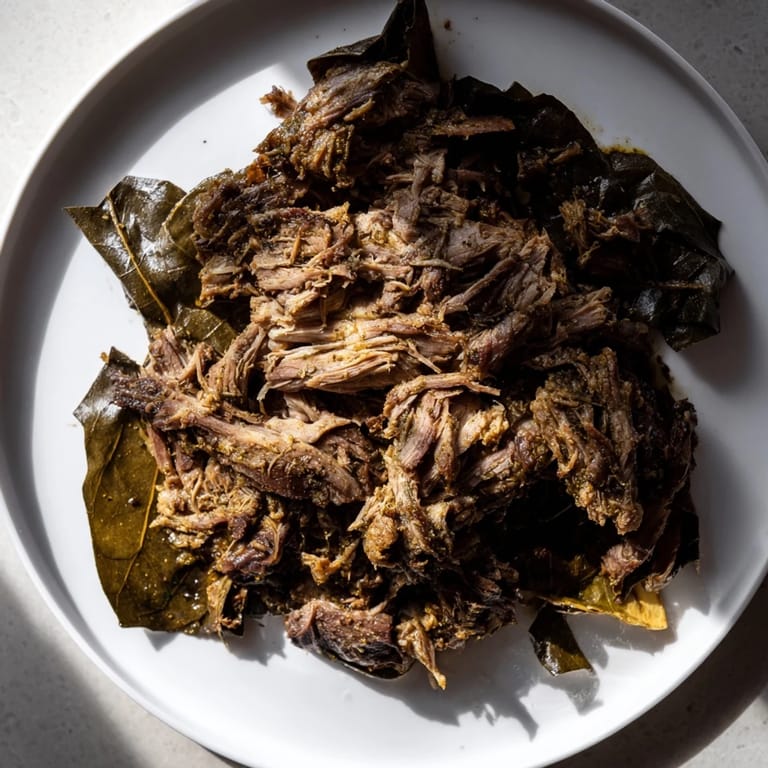
 Shuwa taught me that patience in the kitchen isn't a burden—it's an invitation to slow down and trust the process. This is the kind of meal that reminds us why we cook.
Recipe FAQs
- → What cut of meat is best for Omani Shuwa?
Bone-in lamb shoulder or leg is ideal for tenderness and flavor, though beef or goat are suitable alternatives.
- → Why are banana leaves used in cooking?
Banana leaves help retain moisture and impart a subtle, earthy aroma to the meat during slow roasting.
- → How long should the meat marinate?
Marinate the meat between 8 to 24 hours to fully absorb the aromatic spices and juices.
- → Can I substitute banana leaves?
If unavailable, parchment paper or heavy-duty foil can be used, though flavor may differ slightly.
- → What spices characterize the marinade?
The marinade combines garlic, ginger, coriander, cumin, cinnamon, cardamom, cloves, paprika, turmeric, chili, and black pepper for a warm, fragrant profile.
- → What is the recommended cooking temperature and time?
Roast at 160°C (320°F) for 4 to 6 hours until the meat is meltingly tender and easily falls off the bone.