 Save to Pinterest
 I discovered the magic of grazing boards at an intimate dinner party where the host arranged everything on a marble slab positioned dramatically at the table's edge. Watching guests lean in, their faces lit by candlelight as they reached for cascading figs and prosciutto, I realized this wasn't just food—it was theater. That evening taught me that the most memorable meals aren't always about cooking; sometimes they're about creating a moment where everyone becomes part of the performance. The Final Curtain is exactly that: a board designed to make people pause, admire, and then surrender to the joy of grazing.
I made this board last spring for my sister's engagement party, and I'll never forget how my brother-in-law—usually reserved—kept returning to admire how the almonds caught the light. He stood there for what felt like minutes, just looking, before anyone even started eating. That's when I understood: a grazing board isn't meant to be devoured immediately. It's meant to be admired, discussed, and savored both visually and literally.
Ingredients
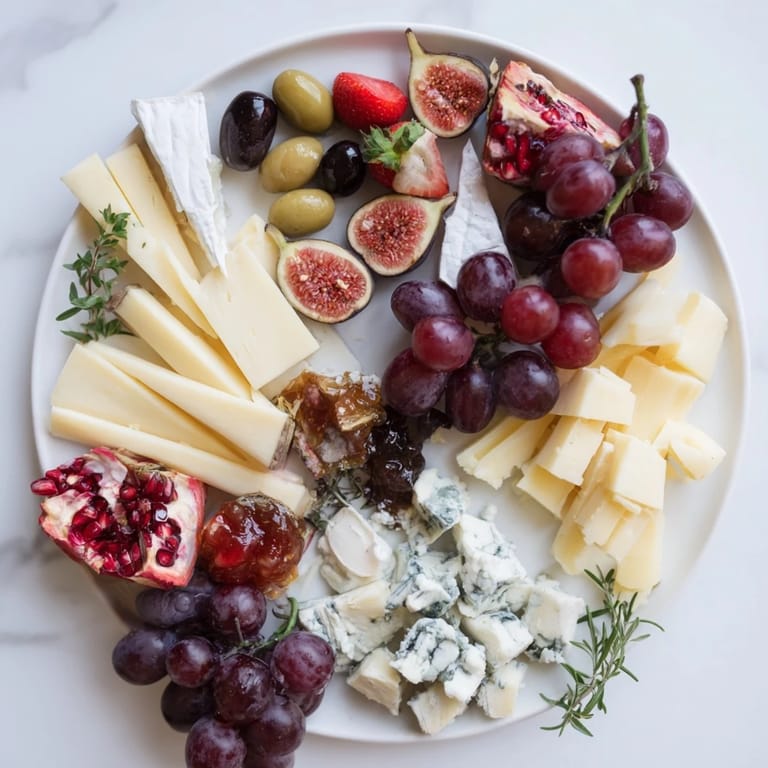
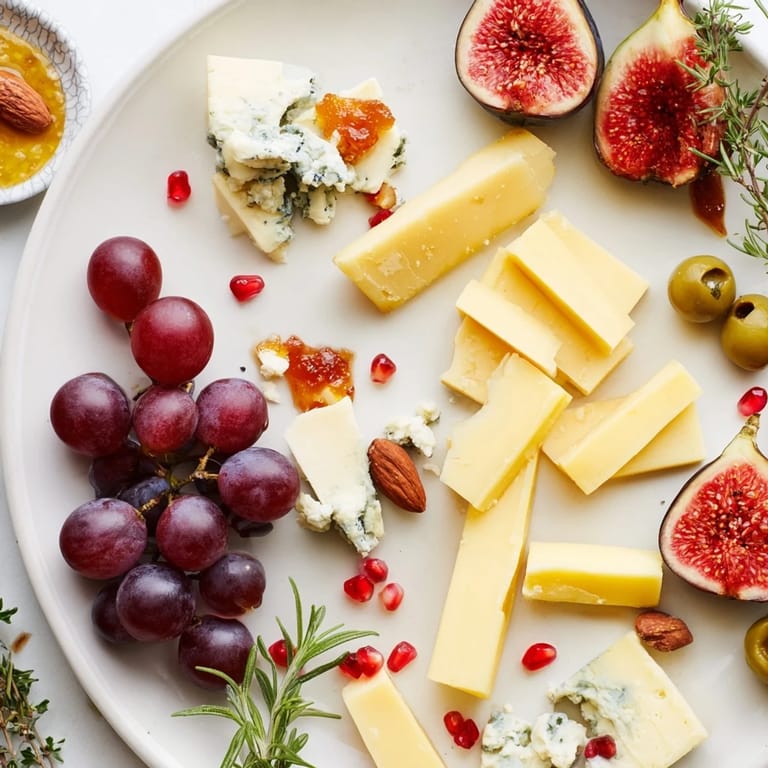
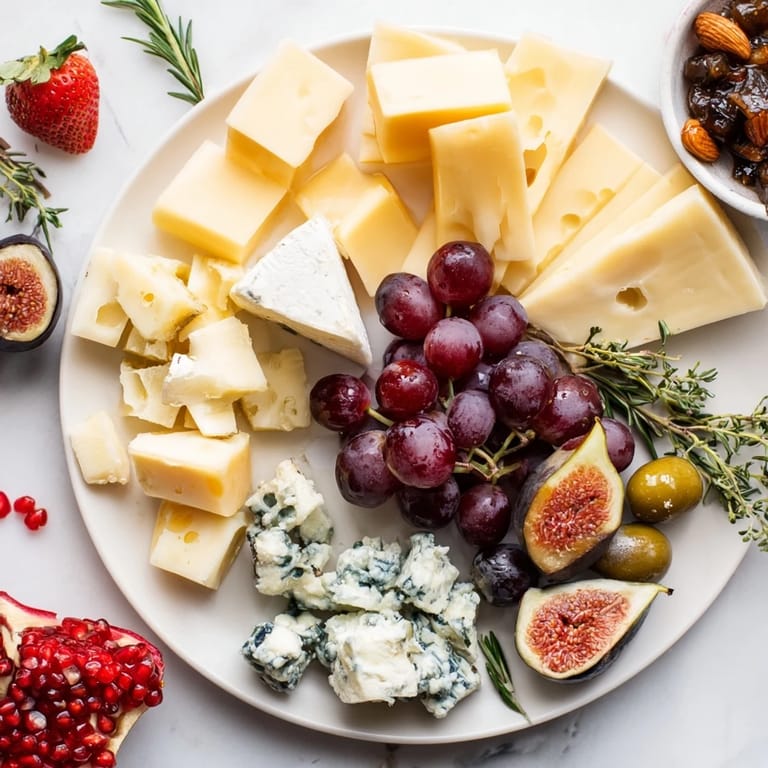
- Brie: Choose a ripe one that's soft but not melting; slice it into wedges so it stays elegant and guests can serve themselves without it collapsing.
- Aged Cheddar: Cut into sticks rather than cubes so they read as sculptural elements on the board.
- Blue Cheese: Break it into irregular chunks—the rough edges add visual interest and invite people to grab without ceremony.
- Prosciutto: Let it loosely drape like fabric; the translucency is part of the drama.
- Soppressata: Fold each slice into loose waves so it catches light and creates depth.
- Red Grapes: Keep them on the stem for height and visual flow; they're nature's perfect garnish.
- Fresh Figs: Halve them just before serving so the interior stays vibrant and juice-fresh.
- Strawberries: Halve these too, showing off the deep red interior.
- Pomegranate Seeds: These are your jewels; scatter them deliberately so they catch light.
- Baguette: Slice thinly and at an angle so each piece feels special; let some slices overhang the board's edge.
- Seeded Crackers: Their texture creates contrast and gives you variation for different cheese pairings.
- Fig Jam: Use a small bowl so guests can dip without making a mess on the board itself.
- Honey: Drizzle it over the jam or let guests discover it as a sweet accent for the blue cheese.
- Marcona Almonds: Their buttery richness balances the acidity of fruit and tang of cheese.
- Olives: Choose a mix of green and black for color variation and flavor complexity.
- Fresh Herbs: Rosemary sprigs add woody fragrance and visual structure.
Tired of Takeout? 🥡
Get 10 meals you can make faster than delivery arrives. Seriously.
One email. No spam. Unsubscribe anytime.
Instructions
- Set Your Stage:
- Position a large wooden or marble board near the table's edge—this is your canvas, and the slight overhang is intentional. It creates a sense of abundance and allows ingredients to cascade naturally, just like velvet curtains falling from a stage.
- Arrange the Cheeses:
- Start by placing wedges of Brie, sticks of aged Cheddar, and chunks of blue cheese so some pieces intentionally spill over the board's edge. Think of this as your anchor; the cheeses are the foundation upon which everything else builds.
- Layer the Charcuterie:
- Fold and drape the prosciutto and soppressata so they flow elegantly down the sides. These create movement and visual interest—they're your dramatic flourish.
- Scatter the Fruits:
- Tuck grapes (on their stems), fig halves, strawberry halves, and pomegranate seeds throughout and over the edges. Let them trail naturally; some should hover just at the board's boundary as if about to take the plunge.
- Fan Your Breads:
- Arrange baguette slices and crackers in loose fans, allowing them to slightly overhang. They should feel architectural but effortless, like a dancer's deliberate stance.
- Nestle the Bowls:
- Place small bowls of fig jam, honey, olives, and almonds among the other ingredients, pressing them gently so they're stable. These are your flavor wildcards, inviting guests to experiment.
- Garnish with Intention:
- Tuck fresh rosemary and thyme sprigs between ingredients. This adds fragrance, visual depth, and signals to your guests that care went into every detail.
- Serve with Theater:
- Step back and admire your work before guests arrive. When they do, let them discover the board slowly—maybe light a candle nearby so the colors glow, and simply tell them to graze.
 Save to Pinterest
 I learned the true purpose of this board when my daughter watched me arrange it and asked why some things were falling off. I told her it was on purpose, and her eyes lit up with understanding—suddenly it wasn't just food anymore; it was a story about abundance and beauty and the courage to let things dangle over the edge. That's the moment I realized this board is really about inviting people to release their worry about perfection and just enjoy.
The Art of the Overhang
The genius of The Final Curtain is that it breaks the rule we're usually taught about food presentation: everything neat, contained, centered. Instead, this board celebrates overflow. The cheese wedges that threaten to slide, the prosciutto folds cascading like silk, the strawberries hovering at the edge—they all work together to create a sense of abundance that feels both elegant and slightly rebellious. When guests see this, something shifts in them. They feel permission to relax and indulge.
Building Flavor Balance
A successful grazing board is really about orchestrating contrasts—sharp blue cheese next to sweet figs, buttery almonds beside briny olives, creamy Brie against crisp crackers. Think of it like composing music where each element gets its moment but works best as part of the whole. The jam and honey are your crescendos, the herbs your subtle bass notes. When you arrange with this in mind, every bite becomes a small discovery rather than just random picking.
Making It Your Own
The beauty of this board is its flexibility—swap cheeses based on what's local and seasonal, add roasted grapes if you want warmth, use different nuts depending on your mood. Last winter I added candied walnuts instead of Marconas, and somehow they made everything taste more festive. Your board should reflect your taste and what makes you excited to cook.
- For a vegan version, swap traditional cheeses for quality plant-based alternatives and skip the charcuterie entirely.
- Edible flowers like pansies or violas add surprising color and sophistication without changing flavor.
- Pair everything with crisp rosé or sparkling wine to echo the celebratory theater of the presentation.
 Save to Pinterest
 A grazing board like this isn't just about feeding people—it's about creating a moment where everyone feels welcome to slow down and enjoy. It's theater made delicious, and that's worth every careful placement.
Recipe FAQs
- → What cheeses work best for this grazing board?
Soft cheeses like Brie, firm aged Cheddar, and tangy Blue Cheese provide a varied texture and flavor that complement the fresh fruits and accompaniments.
- → Can the charcuterie be omitted or substituted?
Yes, for vegetarian or vegan preferences, omit the charcuterie or replace with plant-based alternatives to maintain the board's balance.
- → How should the fruits be prepared for the board?
Fresh figs should be halved, grapes left on the stem, and strawberries sliced in half to enhance visual appeal and ease of serving.
- → What breads and crackers complement this setup?
Sliced baguette and seeded crackers offer a sturdy base and varying textures to pair with the rich cheeses and sweet fruits.
- → How can presentation be enhanced for guests?
Arrange ingredients to spill over the board edges, add fresh herbs like rosemary or thyme, and use small bowls for jams and nuts to create visual drama.