 Save to Pinterest
 My neighbor appeared at my kitchen door one March afternoon with a bottle of Limoncello and a challenge: make something that tastes like a Capri vacation. I'd never worked with the stuff before, but something about that bright yellow bottle and her mischievous grin made me want to try. By evening, this cake emerged from the oven smelling like sunshine had a smell, and suddenly we weren't just baking—we were transporting ourselves somewhere warm and impossibly bright.
The first time I made this for my book club, I was nervous about the alcohol—would it bake out? Would it taste medicinal? But when Sarah took her first bite, she closed her eyes and said nothing for a full ten seconds, which is how I knew the Limoncello had done exactly what it was supposed to do.
Ingredients
- All-purpose flour (2 ½ cups): Measure by spooning and leveling, not scooping straight from the bag—that's how I learned the hard way that too much flour makes the cake dense and sad.
- Baking powder (2 tsp): This is what gives the cake its tender crumb, so don't skip it or substitute with baking soda unless you enjoy dense hockey pucks.
- Salt (½ tsp): It's not about making things taste salty; it heightens the lemon and keeps the sweetness from becoming one-dimensional.
- Unsalted butter (1 cup, softened): Room temperature is non-negotiable here—cold butter won't cream properly, and you'll end up with a grainy batter instead of the fluffy cloud you're after.
- Granulated sugar (2 cups): This is what you're creaming with the butter, and that process is what builds the cake's structure and lightness.
- Large eggs (4, room temperature): Cold eggs seize up when they hit the warm butter mixture, and you get lumps instead of a smooth batter.
- Lemon zest (1 tbsp finely grated): Use a microplane and grate only the yellow part—the white pith underneath is bitter and will ruin your day.
- Fresh lemon juice (¼ cup): Bottled won't work here; the brightness matters, and bottled juice tastes tired by comparison.
- Limoncello liqueur (⅓ cup): This is your secret weapon—it adds complexity and a sophisticated edge that makes people pause mid-bite.
- Pure vanilla extract (1 tsp): The vanilla deepens the flavor without making it taste like vanilla cake, which is the whole point.
- Whole milk, room temperature (½ cup): Cold milk can shock the batter, so take it out of the fridge while you're prepping everything else.
- Powdered sugar, sifted (1 ½ cups): Sift it yourself—pre-sifted powdered sugar has often picked up moisture and will make your glaze lumpy.
- Fresh lemon juice for glaze (2–3 tbsp): Start with 2 and add more if you want it runnier; you're in control of the consistency.
- Limoncello for glaze (1 tbsp, optional): This optional touch makes the glaze taste like the cake's elegant cousin instead of just sweet frosting.
- Lemon zest for garnish (1 tsp): A final whisper of brightness that makes the whole thing look intentional and thoughtful.
Tired of Takeout? 🥡
Get 10 meals you can make faster than delivery arrives. Seriously.
One email. No spam. Unsubscribe anytime.
Instructions
- Prepare your stage:
- Preheat your oven to 350°F and grease and flour your Bundt pan until every crevice is coated—a pastry brush works better than your fingers for this. Set the pan aside and gather all your ingredients at room temperature, which takes more patience than skill but saves you from texture disasters.
- Build your dry base:
- Whisk together the flour, baking powder, and salt in a medium bowl and set it aside—this step takes literally one minute but prevents lumps from sneaking into your batter later. I learned to sift the flour too after one cake came out slightly gritty, though whisking works fine if you're careful.
- Cream butter and sugar into clouds:
- Beat the softened butter and sugar together with an electric mixer until the mixture is pale, fluffy, and looks almost like whipped cream—this usually takes 3 to 4 minutes and is absolutely worth the wait. You're incorporating air into the batter, which is what makes the cake tender instead of dense.
- Add eggs one at a time with intention:
- Drop in each egg and beat well before adding the next one—rushing this step or adding them all at once creates an emulsified mess instead of a smooth batter. After all four eggs are in, you should have something that looks silky and uniform.
- Wake up the batter with citrus and spirit:
- Mix in the lemon zest, lemon juice, Limoncello, and vanilla extract, beating until everything is combined and you can actually smell the lemon in the air. This is the moment the whole recipe starts smelling like something special instead of just cake.
- Alternate dry and wet with a gentle hand:
- Starting with the flour mixture, alternate adding it with the milk—flour mixture, then milk, then flour mixture again, ending with flour—and mix only until just combined. Overmixing develops the gluten, which turns your tender cake into tough bread, so stop as soon as you see no streaks of flour.
- Fill the pan and smooth the top:
- Pour the batter into your prepared pan and use an offset spatula or the back of a spoon to smooth the top so it bakes evenly. A slight dome in the center is fine—it'll settle as the cake cools anyway.
- Bake until golden and set:
- Bake for 50 to 55 minutes, checking around the 45-minute mark by inserting a toothpick into the center—when it comes out clean or with just a couple of moist crumbs, you're done. The kitchen will smell incredible, which is your reward for patience.
- Cool with restraint:
- Let the cake sit in the pan for 15 minutes so it sets slightly, then invert it onto a wire rack to cool completely—this usually takes at least an hour, and skipping this step leads to broken cake and heartbreak. Turn off the oven and maybe step outside for a moment; you've earned it.
- Make the glaze while the cake cools:
- Whisk together the sifted powdered sugar, fresh lemon juice, and optional Limoncello until you have something pourable but not runny—it should coat the back of a spoon. Stir in the lemon zest at the very end so it stays bright and visible.
- Dress your cake with elegance:
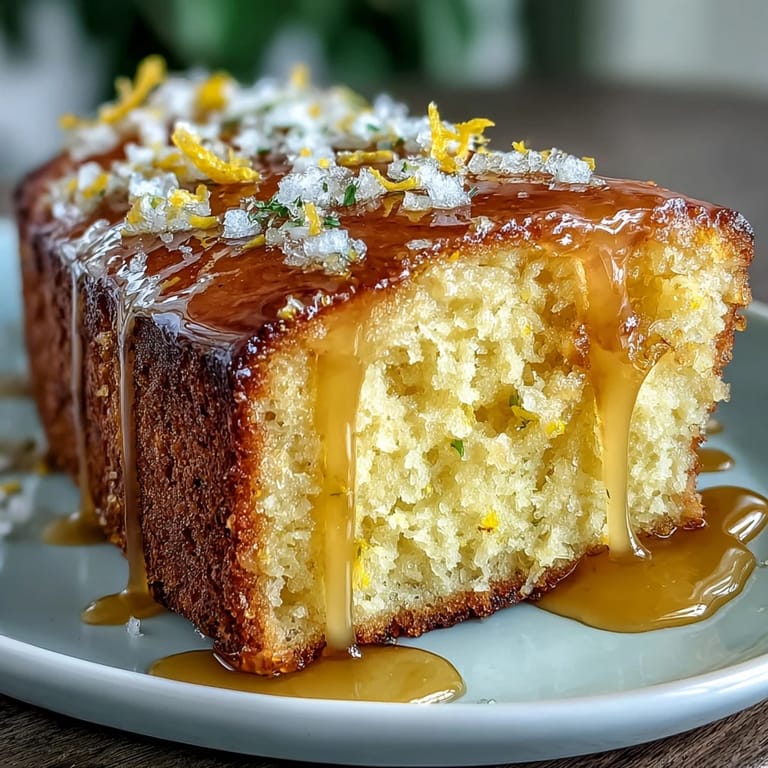
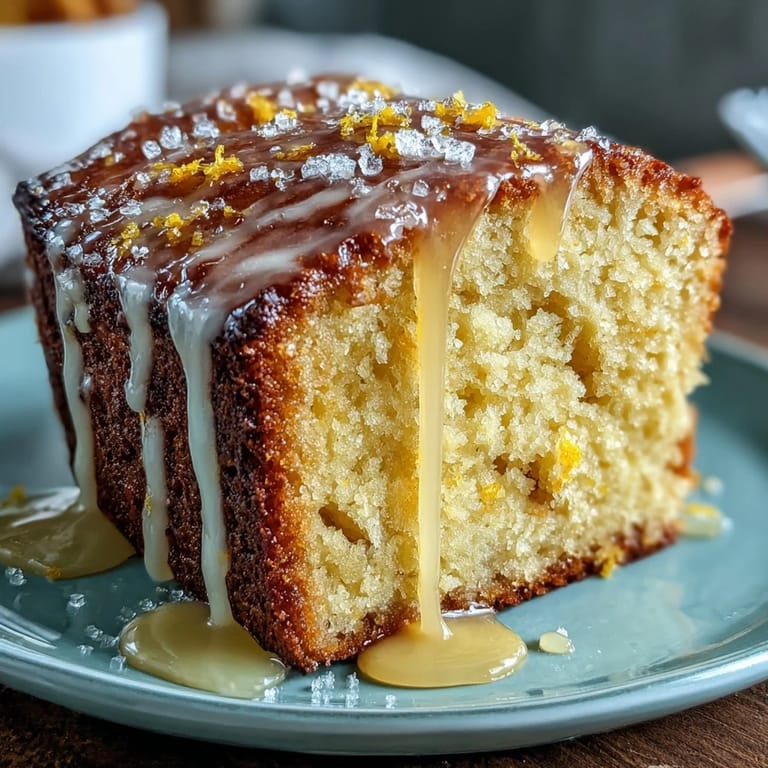
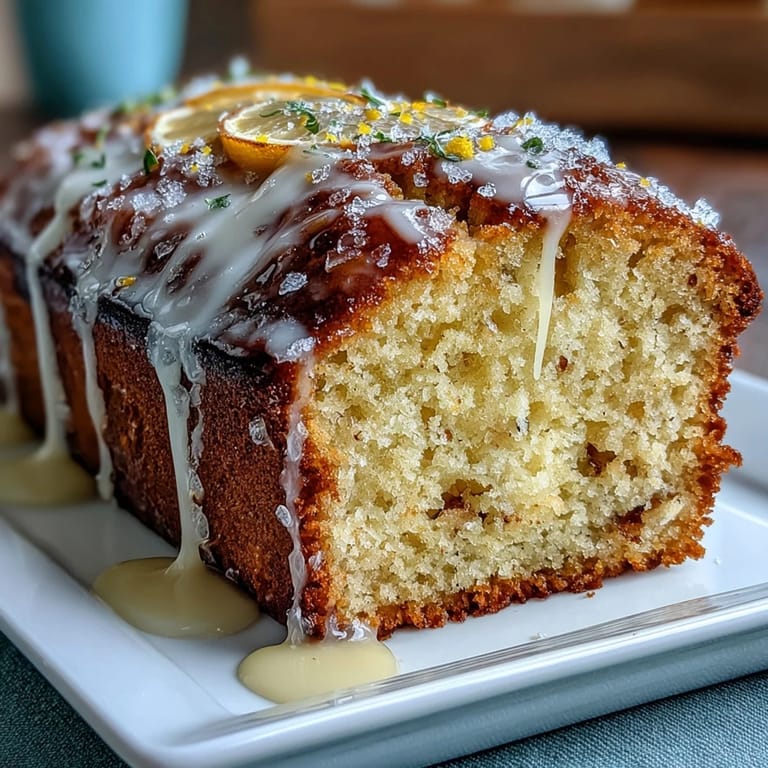
- Drizzle the glaze over the completely cooled cake and let it set for at least 15 minutes before slicing—patience here means the glaze stays on the cake instead of running down onto your plate. A gentle hand while drizzling makes it look intentional instead of like an accident.
 Save to Pinterest
 My cousin brought her new partner to Easter dinner the year I perfected this cake, and watching them take that first bite together—just a small smile, a moment of real pleasure—reminded me that cake is just flour until someone shares it with you. That's when it becomes a memory.
Why This Cake Became My Spring Signature
Around April, people start asking me to bring this to things, and I never mind because it's the kind of cake that survives transport, actually tastes better the next day, and somehow makes even a Tuesday afternoon feel like a small celebration. There's something about the combination of Limoncello and fresh lemon that makes you taste spring instead of just eating it.
The Glaze Matters More Than You Think
I used to skip the glaze or make it too thick, thinking it was just decoration, but the truth is that thin, lemony glaze is what transforms this from a lovely cake into something people actually remember. The glaze soaks slightly into the top layer and intensifies the lemon flavor while adding a subtle sweetness that balances the tartness you built into the cake itself.
Variations and Moments
Last summer, I made a non-alcoholic version for a family gathering and substituted the Limoncello with extra lemon juice, and honestly, it was almost as good—different, but not diminished. I've also made it with candied lemon peel scattered on top, which my mother-in-law somehow turned into a Christmas tradition despite the fact that nobody asked her to.
- For a non-alcoholic version, use ⅓ cup of fresh lemon juice plus 1 tbsp of lemon extract instead of Limoncello, which keeps the sophistication without the alcohol.
- Garnish with thin lemon slices or candied lemon peel if you want to make it look like you spent three hours on decoration when you really didn't.
- Serve with fresh berries or whipped cream if you want to justify eating it for brunch instead of dessert.
 Save to Pinterest
 This cake tastes like sunshine and sophistication in every bite, and it's easier to make than people assume. Slice it knowing you've created something that tastes like care.
Recipe FAQs
- → Can I replace Limoncello with a non-alcoholic alternative?
Yes, substituting Limoncello with extra fresh lemon juice delivers similar citrus brightness without alcohol.
- → What is the best pan type for baking this cake?
A 10-cup Bundt or standard loaf pan works well, providing even heat and a nice shape.
- → How do I ensure the cake stays moist?
Use room temperature ingredients and do not overmix the batter to keep the crumb tender and moist.
- → What is the purpose of the lemon glaze?
The glaze adds a zesty, sweet finish that complements the lemon-infused cake for added flavor and moisture.
- → Can this cake be garnished for presentation?
Thin lemon slices or candied lemon peel enhance appearance and flavor when used as garnish.