 Save to Pinterest
 There's this moment when you're standing in front of your stove and the kitchen suddenly fills with the smell of ginger and garlic hitting hot oil, and you know dinner is about to come together in the next fifteen minutes. That's exactly what happened the first time I decided to stop overthinking weeknight meals and just throw together whatever vegetables were looking good at the market with some golden tempeh. What started as a practical solution turned into something I keep making because it tastes like you put way more effort in than you actually did.
I made this for a friend who'd just gone vegan and was genuinely worried about eating something bland for the rest of her life. She took one bite and immediately started asking for the recipe before she'd finished chewing, which felt like the highest compliment a cook could get. Now whenever I make it, I remember that moment and how food can be the thing that makes someone feel supported without anyone having to say much at all.
Ingredients
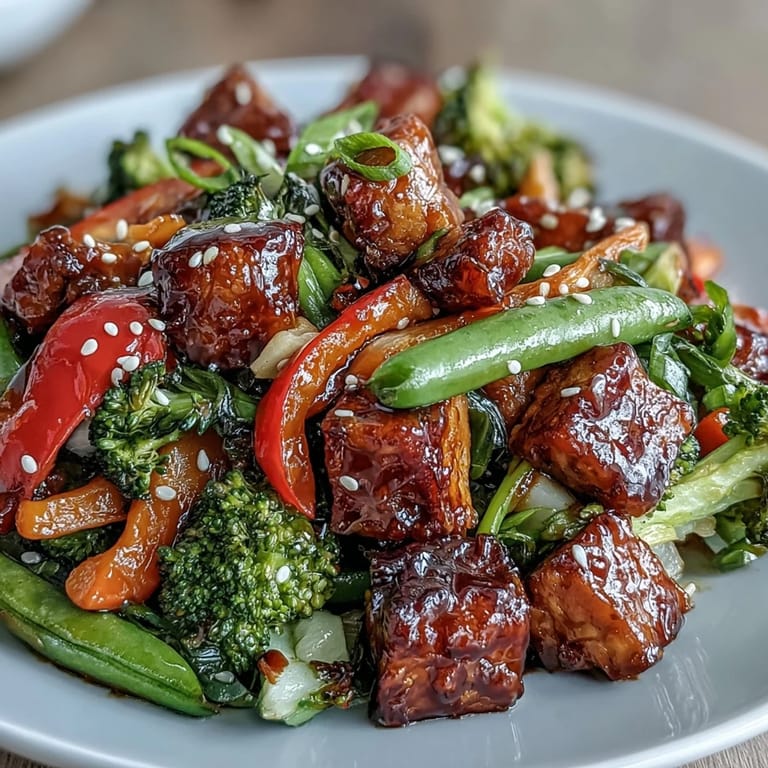
- Tempeh, cut into 1 cm cubes (250 g): This fermented soy cake has a nutty, almost mushroom-like flavor that deepens when it hits the heat and gets golden brown on the edges, so don't skip the browning step even though it feels like an extra minute you don't have.
- Red bell pepper, sliced (1 whole pepper): The sweetness balances the savory sauce, and slicing them thin means they soften just enough while keeping a little snap.
- Yellow bell pepper, sliced (1 whole pepper): Go for bright, firm peppers with no soft spots because they'll cook down a bit and you want them to hold their shape and color.
- Carrot, julienned (1 medium): Cut them thin so they cook through in the same time as everything else; thick chunks will stay crunchy in a way that feels unfinished.
- Sugar snap peas, trimmed (100 g): These are the ones you can eat the whole pod of, which makes prep faster and means less waste going into your compost.
- Broccoli florets (100 g): Smaller florets cook more evenly, so break them down into bite-sized pieces rather than leaving huge crowns that stay hard in the middle.
- Spring onions, sliced (2 whole): Save these for the very end when everything else is done so they stay fresh and bright rather than turning soft.
- Garlic, minced (2 cloves): Fresh garlic matters here because that thirty-second sizzle is where all the flavor gets built into your oil base.
- Fresh ginger, peeled and minced (2 cm piece): The heat mellows it out just enough when it cooks, so don't hold back; this is what makes it taste like you know what you're doing.
- Soy sauce (3 tbsp): Use tamari if you need gluten-free because the flavor is almost identical and nobody will know the difference.
- Water (2 tbsp): This just dilutes the sauce so it coats everything evenly instead of pooling in one spot.
- Rice vinegar (1 tbsp): A tiny bit of acid brightens everything up and keeps it from tasting heavy or one-note.
- Maple syrup or agave nectar (1 tbsp): The sweetness is subtle and plays against the savory without making it taste like dessert, so measure it rather than eyeballing it.
- Toasted sesame oil (1 tsp): Use the actual toasted kind because the regular pale stuff doesn't have nearly enough flavor; a teaspoon is all you need.
- Cornstarch (1 tsp): This thickens the sauce just enough so it clings to everything instead of running off onto the plate.
- Vegetable oil for cooking (2 tbsp): High smoke point oils like sunflower or canola work best because you need the heat to stay steady and the oil to stay clear.
- Toasted sesame seeds and fresh coriander (optional but recommended): These add texture and a fresh note at the end that makes it feel finished and intentional.
Tired of Takeout? 🥡
Get 10 meals you can make faster than delivery arrives. Seriously.
One email. No spam. Unsubscribe anytime.
Instructions
- Start your sauce:
- Whisk soy sauce, water, rice vinegar, maple syrup, sesame oil, and cornstarch together in a small bowl and just let it sit there waiting while you prep everything else. The cornstarch will settle to the bottom, which is fine; you'll give it another quick stir right before you need it.
- Golden-brown the tempeh:
- Get your wok smoking hot with a tablespoon of oil, then add tempeh cubes and let them sit for a minute before stirring so they get proper golden edges instead of just turning pale and steamed. Four to five minutes and you'll hear them getting crispy; that's your cue to pull them out and give your pan back.
- Wake up your aromatics:
- Toss in the garlic and ginger to that same hot oil and count to thirty in your head while stirring constantly because that's the sweet spot where they smell incredible but haven't burned yet. The kitchen will smell like a restaurant at this exact moment.
- Cook the vegetables:
- Add peppers, carrot, snap peas, and broccoli all at once and keep the heat high, stirring every fifteen seconds or so because you want them to soften but not go limp. After four to five minutes they should be mostly tender but still have a tiny bit of resistance when you bite them.
- Bring it together:
- Return your tempeh to the pan, give that sauce a quick stir to wake up the cornstarch, pour it over everything, and toss for a minute or two until you see it thicken and start clinging to all the pieces. You'll know it's right when it goes from looking like soup to looking like an actual finished dish.
- Final flourish:
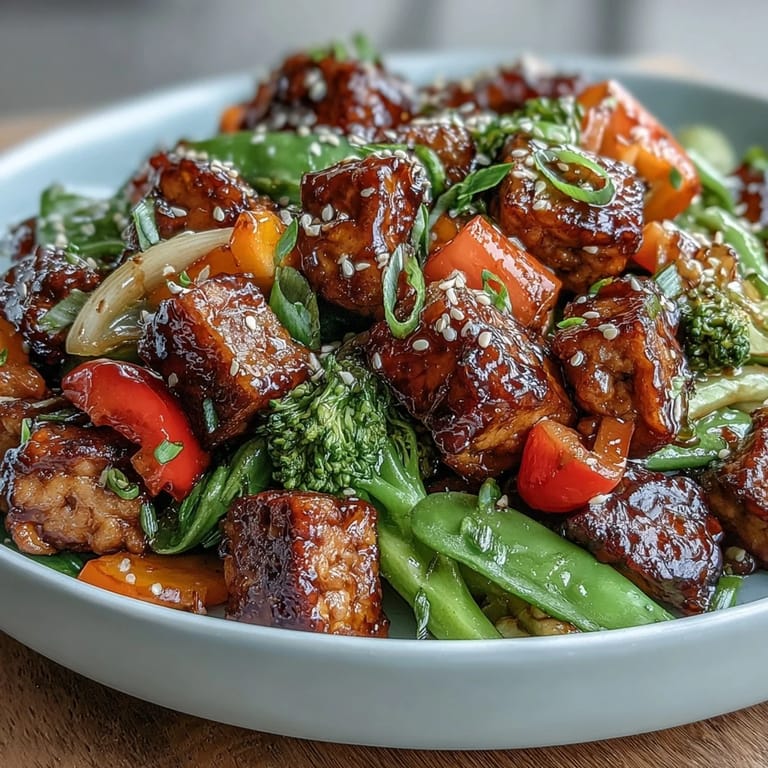
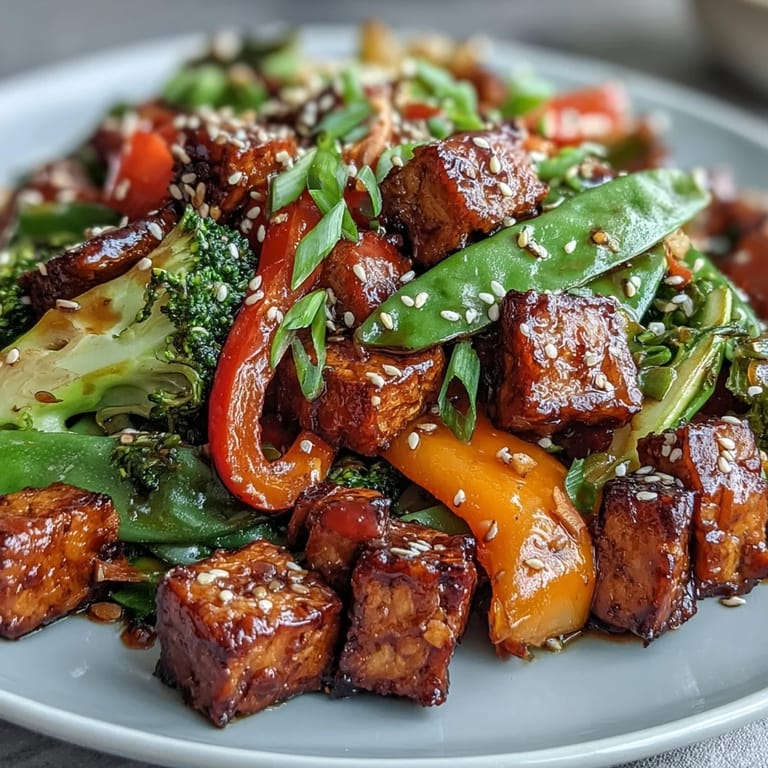
- Take it off heat and stir in the spring onions so they stay crisp, then shower it with sesame seeds and cilantro if you've got them. Serve it over rice or noodles while it's still hot.
 Save to Pinterest
 My partner walked in one evening when I was halfway through making this and asked if something was wrong because the kitchen smelled so good, and I realized that's when I knew I'd nailed a recipe. It became our Tuesday night thing, the one we could make with our eyes closed when energy was low but we still wanted something that felt like we'd actually cooked.
Why Tempeh Works Here
Tempeh gets a bad rap from people who tried it once and found it bitter or bland, but that's because it wasn't cooked right. When you give it time in hot oil to develop those golden, slightly crispy edges, it becomes almost meaty in texture and picks up flavor like it was born to do it. The fermentation gives it this subtle earthiness that pairs perfectly with ginger and soy in a way that tofu just can't match, and it has enough protein to make you feel satisfied without feeling heavy afterward.
How to Customize Without Losing the Magic
The skeleton of this dish is so solid that you can swap vegetables around based on what's in season or what you're craving without the whole thing falling apart. I've made it with mushrooms and baby corn in the fall when peppers got expensive, and it was just as good because the sauce and cooking technique stayed exactly the same. The key is keeping similar textures and cooking times together, so don't throw in a whole potato without thinking about how much longer it needs.
What to Serve It With
This stir-fry is one of those dishes that's flexible enough to work with whatever grain or noodle situation you have going on, so don't feel locked into the obvious choices. White jasmine rice is traditional and absorbs the sauce beautifully, soba noodles add an earthy note that feels elegant, and I've even done it over quinoa when I was trying to add more protein to the meal. The real magic is that it's good enough to eat on its own if you're short on time, though that feels like a minor waste of such a good sauce.
- Jasmine rice soaks up sauce like it was made for exactly this purpose.
- Soba noodles add a nutty flavor that echoes the tempeh perfectly.
- Leftover stir-fry works cold the next day if you need a desk lunch that actually tastes good.
 Save to Pinterest
 This recipe found me when I needed something that felt achievable on a tired weeknight, and it's stayed because it somehow makes me feel like I'm taking care of myself. Make it once and you'll probably make it a dozen more times before the season changes.
Recipe FAQs
- → Can I substitute the tempeh?
Yes, firm tofu or seitan work well as alternatives. Adjust cooking time slightly as tempeh browns faster than tofu. Chickpeas or edamame also provide protein while keeping it plant-based.
- → What vegetables work best?
Bell peppers, carrots, snap peas, and broccoli provide excellent texture and color. Mushrooms, baby corn, zucchini, bok choy, or snow peas also work beautifully based on seasonal availability.
- → How do I store leftovers?
Keep in an airtight container in the refrigerator for up to 3 days. Reheat gently in a skillet over medium heat, adding a splash of water if the sauce thickens too much.
- → Can I make this gluten-free?
Simply replace regular soy sauce with tamari or coconut aminos. The rest of the ingredients are naturally gluten-free. Always check labels on packaged condiments.
- → What should I serve with this?
Steamed jasmine rice, brown rice, or soba noodles make perfect accompaniments. For a lighter option, serve over cauliflower rice or enjoy on its own as a protein-packed bowl.
- → How can I add more heat?
Add red pepper flakes, fresh sliced chili, or sriracha to the sauce. A drizzle of chili oil or sprinkle of cayenne pepper also provides customizable spiciness.