 Save to Pinterest
 There's something about the sizzle of chicken hitting hot oil that makes me feel like I know what I'm doing in the kitchen, even on nights when I'm just winging it. A few years back, I was experimenting with whatever was in my pantry—honey, sriracha, a squeeze of lime—and somehow landed on this glaze that turned ordinary chicken breasts into something sticky, spicy, and impossible to stop eating. My roommate came home mid-cook and the smell alone had her hovering by the stove. Now it's the dish I make when I want something impressive but don't have much time.
I made this for a small dinner party once, and I remember being stressed about timing—would the chicken stay warm while I finished the glaze? But what actually happened was the whole thing came together so naturally that I was standing at the stove watching my friends hover nearby, following the smell into the kitchen. Someone asked if I'd gone to culinary school, and I almost laughed out loud.
Ingredients
- Boneless, skinless chicken breasts (4, about 600 g): Use uniform thickness so they cook evenly; if they're thick, gently pound them flat with the heel of your hand.
- Salt and black pepper: Season generously before coating—this is where flavor starts, not the glaze.
- Cornstarch (2 tbsp): Creates a light, crispy exterior that helps the glaze cling beautifully; don't skip this tiny step.
- Honey (1/3 cup): The sweetness that balances the sriracha heat; use real honey, not the squeeze bottle kind if you can.
- Sriracha sauce (2–3 tbsp): Adjust based on your heat tolerance and the brand you use—some are spicier than others.
- Soy sauce (2 tbsp): Brings umami depth; use tamari if you need it gluten-free.
- Rice vinegar (1 tbsp): The acid that keeps the glaze from tasting one-note sweet.
- Garlic (2 cloves, minced): Mince it small so it distributes evenly through the glaze without overwhelming any bite.
- Fresh ginger (1 tbsp, grated, optional): A little warmth that adds complexity; I often skip it if I'm short on time and it's still delicious.
- Lime juice (1 tbsp): Freshly squeezed makes a difference; bottled works but tastes noticeably flat.
- Vegetable oil (2 tbsp): For cooking; use something neutral so the flavor isn't competing.
- Green onions and sesame seeds (for garnish): These aren't just decoration—they add a final textural pop and a fresh green note.
Tired of Takeout? 🥡
Get 10 meals you can make faster than delivery arrives. Seriously.
One email. No spam. Unsubscribe anytime.
Instructions
- Prep and coat the chicken:
- Pat your chicken dry with paper towels—this is crucial for getting a decent sear. Season both sides with salt and pepper, then lightly dust with cornstarch, shaking off the excess; too much will make it gritty.
- Mix the glaze:
- Whisk honey, sriracha, soy sauce, rice vinegar, garlic, ginger, and lime juice in a small bowl. Taste it if you're brave—it'll be potent and a bit jarring straight up, but that's exactly right.
- Sear the chicken:
- Heat oil in a large skillet over medium-high heat until it shimmers. Add the chicken and sauté 4–5 minutes per side, listening for that steady sizzle; you want golden-brown edges and meat that's cooked through (an instant-read thermometer should hit 165°F).
- Build the glaze:
- Transfer the chicken to a plate, reduce heat to medium, and pour the glaze into the skillet. Let it bubble gently for 2–3 minutes, stirring now and then, until it thickens slightly and coats the back of a spoon.
- Coat and finish:
- Return the chicken to the skillet and turn each piece to coat it thoroughly in the glaze. Simmer for 2 minutes so the chicken absorbs all that sticky goodness.
- Plate and garnish:
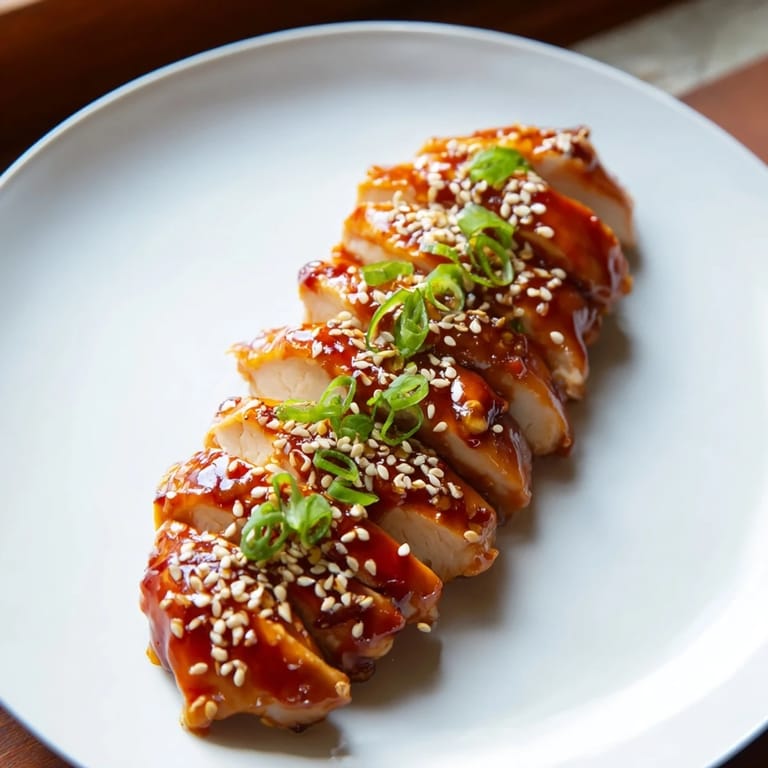
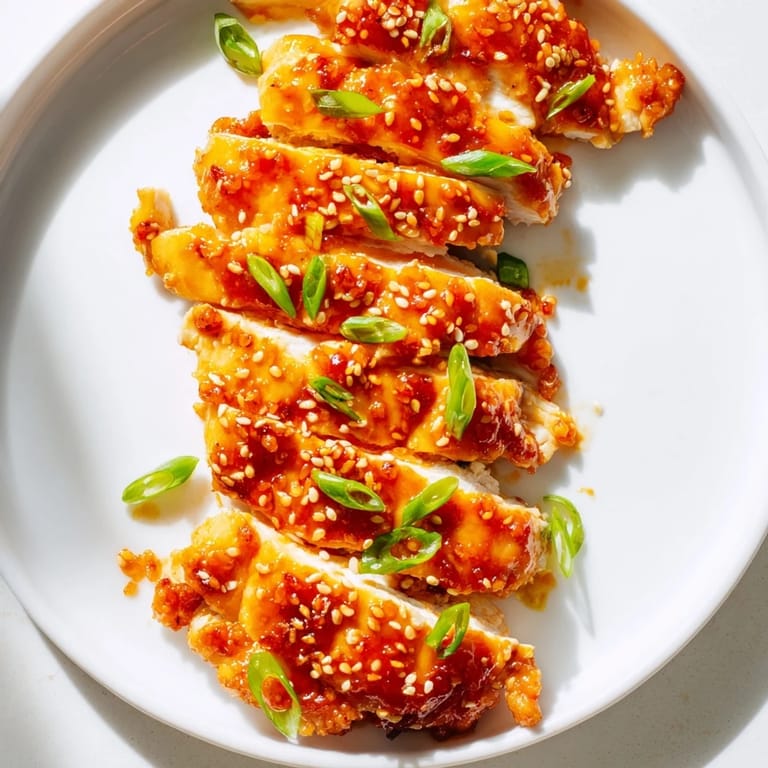
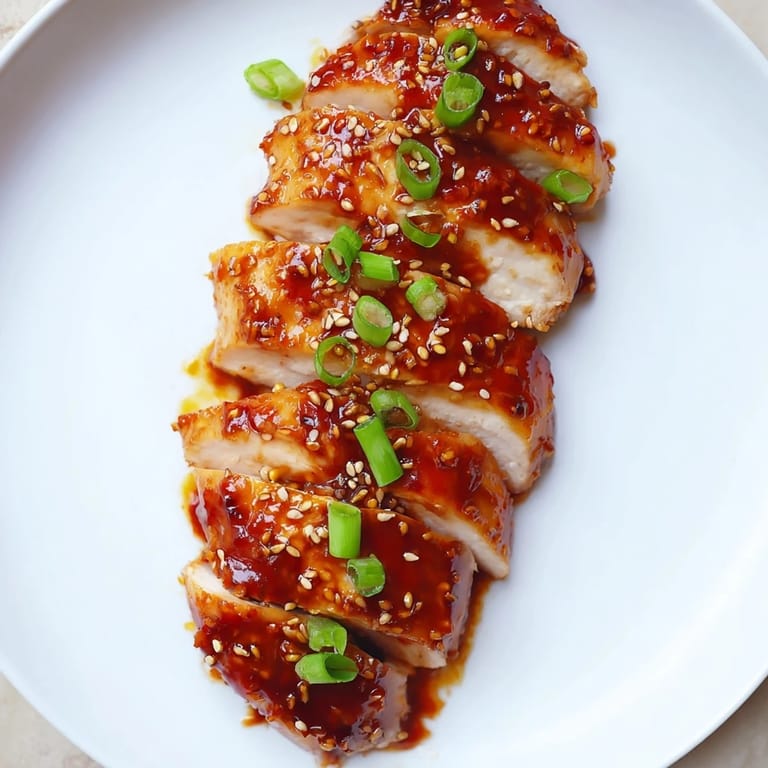
- Slice the chicken if you like, top with extra glaze, and scatter green onions and sesame seeds over everything while it's still warm.
 Save to Pinterest
 What made this recipe stick with me wasn't just the taste—it was realizing how much flavor you can build in minutes if you understand a few basic things: that salt goes on before the oil, that the glaze matters more than the meat, that finishing touches like fresh lime and toasted sesame aren't extras, they're the point. It turned into the dish I make when I want to feel capable without overcomplicating things.
Timing and Troubleshooting
Thirty minutes sounds short, and it is, so here's what I've learned about keeping it smooth: prep your glaze ingredients while the oil heats—having everything minced and measured means you're not scrambling mid-cook. If your chicken is thicker than an inch, pound it gently so it cooks in the right window. And if you somehow end up with dry chicken, it usually means the heat was too high; next time, trust medium-high to do the work steadily without rushing.
Serving and Pairing
I serve this with jasmine rice to soak up the glaze, or with something crunchy like stir-fried snap peas and broccoli to balance the richness. Sometimes I skip the rice entirely and just pile it on top of greens for a lighter meal. The point is that the glaze is bold enough to stand up to simple sides, so don't feel like you need to fuss.
Customizing the Heat and Flavor
Sriracha heat levels vary wildly, so I start with 2 tablespoons and taste as I go, adding more if I want it fierier. For extra kick without extra liquid, a pinch of red pepper flakes stirred in does the trick. If you want to push the Asian flavors further, a tiny grate of fresh ginger or an extra teaspoon of sesame oil in the glaze shifts the whole vibe—but honestly, even without those flourishes, this is already special.
- If you're sensitive to heat, use sriracha sparingly and taste the finished glaze before you commit the chicken.
- Tamari swaps in perfectly for soy sauce if gluten is a concern, and no one will taste the difference.
- A splash of rice vinegar or lime juice is your safety net if the glaze ever tastes too cloying.
 Save to Pinterest
 This dish has become one of those reliable recipes I return to again and again, not because it's flashy, but because it delivers every single time. It's the kind of meal that makes weeknight cooking feel like an act of kindness to yourself.
Recipe FAQs
- → How do I adjust the spice level?
Modify the quantity of sriracha sauce to your preferred heat, or add red pepper flakes for extra kick.
- → Can I substitute chicken breasts with other cuts?
Yes, chicken thighs can be used and will yield a juicier texture while maintaining great flavor.
- → What sides pair well with this dish?
Steamed jasmine rice or sautéed vegetables complement the sweet and spicy glaze beautifully.
- → Is there a gluten-free version?
Use tamari instead of soy sauce to make the dish gluten-free without sacrificing taste.
- → How do I ensure the glaze coats the chicken well?
After cooking the chicken, simmer it in the prepared glaze briefly to allow thorough coating and flavor absorption.
- → Can I prepare the glaze in advance?
Yes, the glaze can be whisked together ahead of cooking to streamline the cooking process.