 Save to Pinterest
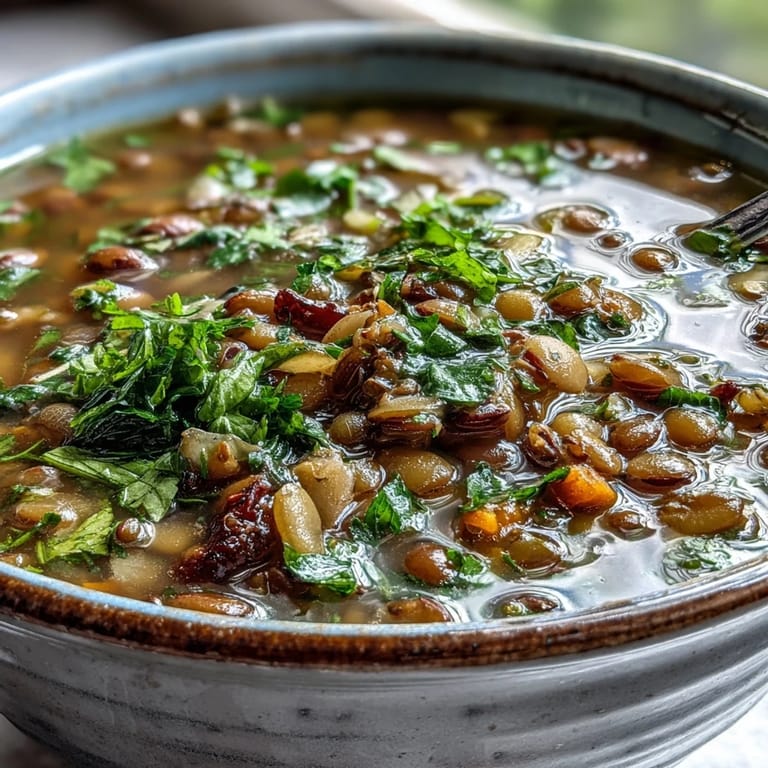
 I discovered mung bean soup on a crisp autumn day when my body was craving something both nourishing and comforting. The earthy aroma filled my kitchen as the beans simmered away with warming spices, transforming humble ingredients into liquid gold. My Indian neighbor had shared this family recipe after noticing my persistent cold, insisting it would boost my immunity better than any medicine. She was right - by the next morning, I felt remarkably better and have kept this soup in my wellness arsenal ever since.
Last winter when my sister came down with a terrible flu, I drove across town with a thermos of this mung bean soup and watched her color return with each spoonful. The simple act of presenting her something made with intention seemed more healing than the ingredients themselves. We sat in comfortable silence, steam rising from our bowls, communicating through appreciative sighs rather than words.
Ingredients
- Mung beans: These little green powerhouses are the backbone of the soup, offering protein and a subtle earthy flavor that becomes creamy when cooked properly.
- Cumin seeds: Toasting these whole seeds until they pop and sizzle releases oils that infuse the entire pot with a warm complexity you simply cant get from pre-ground cumin.
- Fresh ginger: I learned to grate rather than mince ginger for this soup, as it distributes more evenly and releases more of its zingy warmth throughout.
- Turmeric: Besides its gorgeous golden color, this spice adds a subtle earthiness and incredible anti-inflammatory properties that make this soup genuinely healing.
- Lemon juice: Adding this bright acid at the very end creates a magical balance that makes all the earthy flavors sing without tasting lemony.
Tired of Takeout? 🥡
Get 10 meals you can make faster than delivery arrives. Seriously.
One email. No spam. Unsubscribe anytime.
Instructions
- Wake up the spices:
- Heat your pot and toast those cumin seeds until they become fragrant and begin to dance around slightly. This initial step perfumes your kitchen and builds the flavor foundation for everything that follows.
- Create your aromatics base:
- Add your onion, garlic and ginger to the toasted cumin, letting them soften and become translucent. The sizzle and smell at this stage always makes my mouth water in anticipation.
- Layer in vegetables:
- Introduce the carrots and celery, allowing them to slightly soften before adding the spice blend. This sequencing helps each ingredient contribute its best qualities to the final soup.
- Add the star ingredients:
- When you pour in those soaked mung beans alongside the tomato and broth, youre setting the stage for magic. Give everything a good stir to make sure those beans are swimming happily.
- The patient simmer:
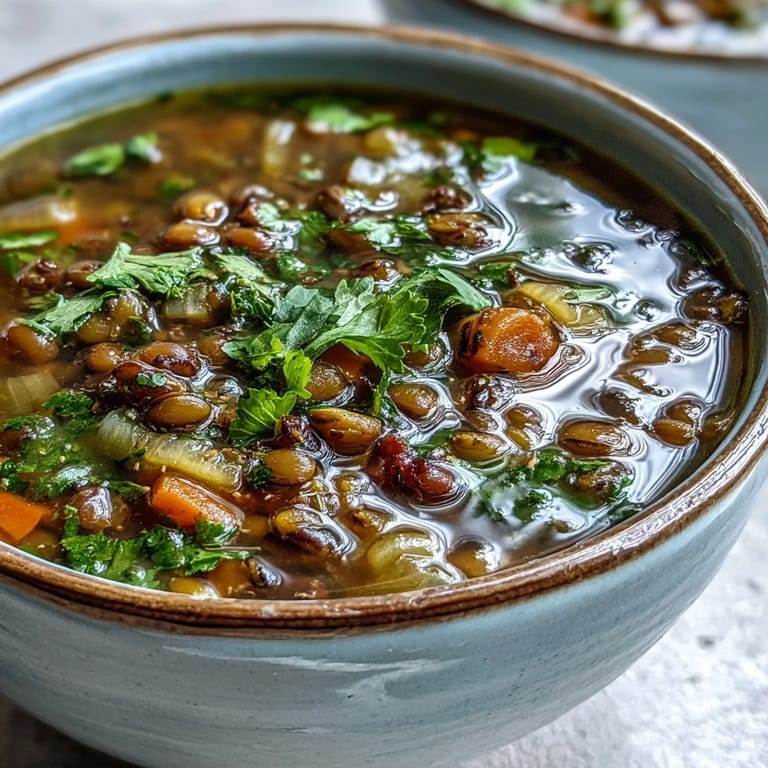
- Let everything bubble away gently for about 40 minutes, occasionally checking to see how the beans are softening. Your house will smell increasingly amazing as the minutes tick by.
- Final flavor adjustments:
- Remove the bay leaf, then wake up all those deep flavors with salt and that crucial squeeze of lemon juice. Taste and adjust until it makes you smile.
 Save to Pinterest
  Save to Pinterest
 One particularly memorable evening, I served this soup to friends who had just returned from a stressful overseas trip. As we gathered around my small table, steaming bowls before us, one friend took a spoonful and suddenly grew quiet. When I asked if something was wrong, she explained that the familiar spices had transported her back to her grandmothers kitchen in Delhi. We spent the rest of the evening sharing food memories while the rain tapped gently against the windows.
Serving Suggestions
Through countless servings, Ive discovered this soup reaches its full potential when ladled over a small scoop of steamed basmati rice. The rice soaks up the broth while adding a subtle fragrance and heartiness that transforms this from a simple soup into a complete meal. For guests, I arrange small bowls of extra cilantro, lemon wedges, and sometimes a swirl of coconut milk so everyone can customize their experience.
Storage and Reheating
This soup develops deeper flavor dimensions overnight in the refrigerator, making it one of those rare dishes that improves with time. When reheating, I add a splash of water or broth since the beans continue absorbing liquid even after cooking. The soup freezes beautifully in single-serving containers, creating instant homemade convenience for busy weeknights when cooking feels impossible but you still crave something nurturing.
Variations to Try
Over the years, Ive experimented with countless adaptations based on seasons and what my body seems to need. Summer versions feature fresh corn and zucchini while winter iterations might include sweet potato and kale.
- For a heartier version, add a handful of red lentils along with the mung beans for additional protein and a thicker texture.
- If youre fighting a cold, double the ginger and add half a teaspoon of crushed red pepper flakes for an immune-boosting kick.
- During tomato season, use three fresh tomatoes instead of one and skip the lemon juice, letting their natural acidity balance the earthiness of the beans.
 Save to Pinterest
  Save to Pinterest
 This humble mung bean soup has become more than just nourishment in my home - its become a ritual of care, whether for myself or loved ones. Its the food equivalent of a warm blanket and a gentle hand on your shoulder, saying everything will be alright.
Recipe FAQs
- → Do I need to soak mung beans before cooking?
Yes, soaking dried mung beans for 2 hours helps them cook more evenly and reduces simmering time. This step also makes them easier to digest and ensures a creamy texture in the final soup.
- → Can I use green or red lentils instead?
You can substitute red lentils, which cook faster and may become creamier. Green lentils hold their shape better but require longer cooking. Adjust simmering time accordingly and check tenderness periodically.
- → How do I store leftovers?
Store cooled soup in an airtight container in the refrigerator for up to 4 days. The flavors often deepen overnight. Reheat gently on the stovetop, adding a splash of water or broth if needed.
- → Is this soup suitable for freezing?
Yes, this soup freezes beautifully. Portion cooled soup into freezer-safe containers, leaving space for expansion. It will keep well for up to 3 months. Thaw overnight in the refrigerator before reheating.
- → What can I serve with mung bean soup?
This soup pairs wonderfully with warm naan bread, steamed basmati rice, or crusty whole grain bread. A simple side salad with cucumber and yogurt dressing also complements the warming spices beautifully.
- → How can I make this soup more filling?
Stir in a cup of cooked rice or quinoa during the last 5 minutes of simmering. You can also add diced potatoes with the carrots, or finish with a splash of coconut milk for extra richness and calories.