 Save to Pinterest
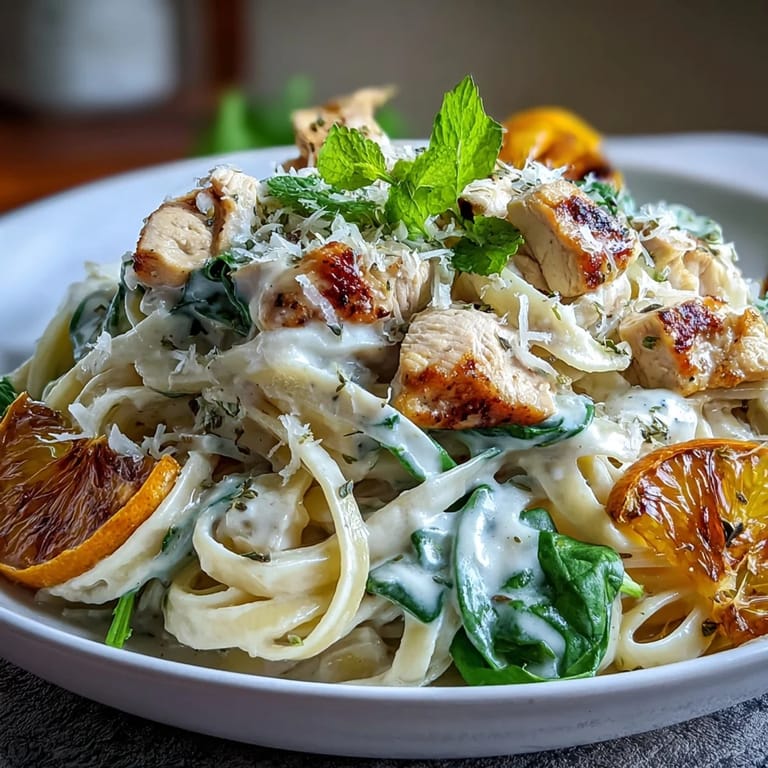
 There's something about the smell of lemon hitting a hot pan that makes you feel like you're cooking somewhere warm and breezy, even if it's the middle of winter where I live. I discovered this lemon orzo one Tuesday when I had chicken, pasta, and half a lemon sitting around, and decided to just see what would happen if I treated orzo like risotto. What emerged was this creamy, bright dish that somehow feels both light and deeply satisfying, the kind of meal that makes people pause mid-bite and ask what you did differently.
I made this for my sister on a rainy spring afternoon when she needed comfort food but not the kind that makes you sluggish. She had thirds and asked for the recipe before dessert even happened, which tells you something. Now whenever she's having a rough week, she texts me a lemon emoji and I know she's making this at home.
Ingredients
- Boneless, skinless chicken breasts or thighs (500 g): Thighs hold their moisture better and taste richer, but breasts work fine if that's what you have; just don't overcook them or they'll turn stringy.
- Orzo pasta (250 g): This rice-shaped pasta absorbs flavor beautifully and creates a creamy texture as it cooks in the broth without needing much stirring.
- Fresh baby spinach (100 g): It wilts down to almost nothing, so don't be shy with the amount; the wilting happens in seconds anyway.
- Yellow onion, finely diced (1 medium): This is your flavor foundation, so take the time to dice it small so it breaks down evenly into the broth.
- Garlic, minced (2 cloves): Mince it fine and add it quickly after the onion so it perfumes everything without burning and turning bitter.
- Low-sodium chicken broth (900 ml): The low-sodium matters because you're reducing the liquid and concentrating the flavor; regular broth will get too salty.
- Whole milk or half-and-half (120 ml): This is what makes it creamy; you can use cream if you're feeling generous, or even a splash of pasta water in a pinch.
- Lemon zest and juice (1 large lemon): Zest first, then juice; the zest carries the bright oils that make this dish sing, so don't skip it.
- Grated Parmesan cheese (50 g): Freshly grated tastes noticeably better than the pre-grated stuff, which has anti-caking agents that make the sauce grainy.
- Olive oil (2 tbsp): Use a good one that you actually like tasting; cheap oil won't hurt anything but it won't help either.
- Salt, black pepper, and chili flakes: The salt is generous on purpose because the broth needs seasoning and the pasta will draw some of it out; the flakes add a whisper of heat if you want it.
- Fresh parsley for garnish (1 tbsp): This is the finishing touch that makes it look intentional rather than thrown together, even though it kind of was.
Tired of Takeout? 🥡
Get 10 meals you can make faster than delivery arrives. Seriously.
One email. No spam. Unsubscribe anytime.
Instructions
- Sear the chicken until it's golden and cooked through:
- Heat a tablespoon of olive oil in your largest skillet over medium-high heat until it shimmers slightly. Add the chicken pieces in a single layer, season them right away with salt and pepper, and let them sit for a couple minutes before stirring; this is how you get that golden crust rather than steamed chicken. After 5 to 7 minutes, the pieces should be cooked through and have color on them, so move them to a plate.
- Build your flavor base with onion and garlic:
- Pour the remaining tablespoon of oil into the same skillet and add the diced onion. Let it soften for 2 to 3 minutes, stirring occasionally, until it's translucent and smells sweet rather than sharp. Add the minced garlic, stir it constantly for about 30 seconds until it smells incredible, then immediately move on to the next step so it doesn't brown.
- Toast the orzo so it soaks up flavor:
- Add all your orzo to the skillet and stir it constantly for about a minute; you want to hear it clicking against the pan and smell it getting slightly nutty. This toasting step is what keeps the orzo from becoming mushy and bland.
- Simmer the orzo in broth until tender:
- Pour in the chicken broth, stir everything together, and turn up the heat until you see a gentle boil. Then lower the heat to medium-low and let it bubble softly, stirring every minute or so, for 8 to 10 minutes until the orzo is just tender and most of the liquid is absorbed. You want some liquid still in there when you move to the next step.
- Bring everything back together:
- Return the cooked chicken to the skillet, dump in the spinach, and stir everything for about 2 minutes until the spinach is completely wilted and dark green. The heat from the pan will do most of the work if you just stir it occasionally.
- Add brightness and creaminess with lemon and dairy:
- Stir in the lemon zest, lemon juice, milk, and Parmesan cheese, mixing well for 2 to 3 minutes until everything is creamy and heated through. Taste it now and adjust the salt and pepper if you need more, keeping in mind that Parmesan is already salty.
- Plate and serve immediately:
- Divide the orzo between bowls while it's hot, scatter parsley on top, and add extra Parmesan if someone at your table is a cheese person. Serve right away so the creamy sauce stays silky rather than getting stodgy.
 Save to Pinterest
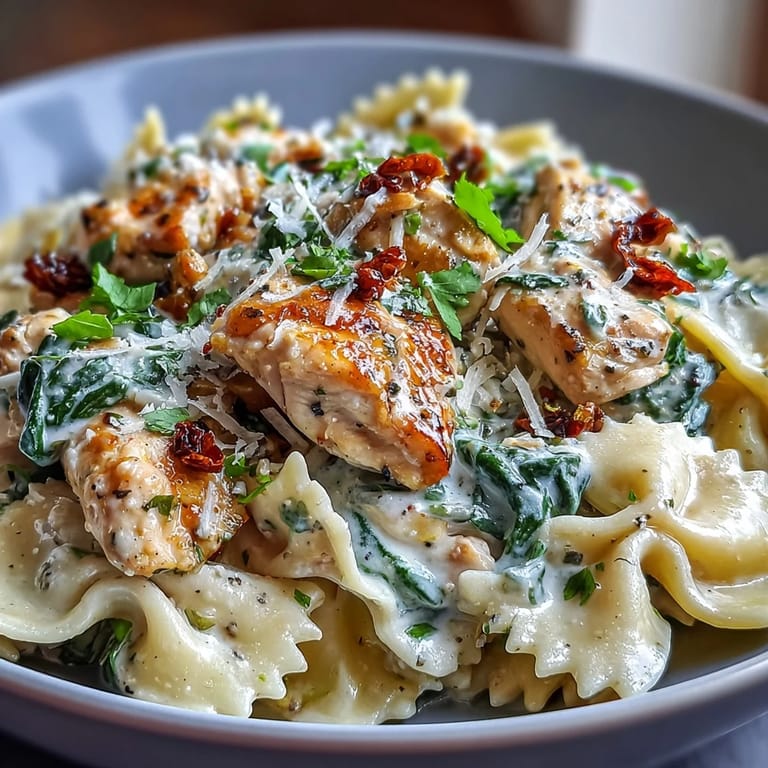
 What I love most about this dish is the way it turned into my go-to when friends text that they're having a rough day or celebrating something small. It's the kind of food that feels special without asking you to spend hours in the kitchen or buy fancy ingredients you'll never use again.
Why Orzo Instead of Other Pastas
Orzo has this magical quality where it releases just enough starch into the broth to make the sauce naturally creamy without needing heavy cream. The small shape also means it cooks quickly and absorbs flavor all over instead of just on the outside. I tried making this with regular pasta once and it wasn't the same; the sauce didn't cling right and the whole thing felt less cohesive on the plate.
Chicken Cuts and How They Matter
Thighs are my preference because they stay juicy even if you accidentally cook them a bit longer, and they have more flavor than breasts. But if you're using chicken breasts, just cut them into slightly smaller pieces so they cook through quickly and stay tender. I've also made this with rotisserie chicken pulled into pieces when I'm really short on time, and it works beautifully as long as you add it at the very end so it just heats through rather than drying out.
Timing and Temperature Control
The whole dish relies on medium and medium-low heat rather than high heat that would make things stick or burn. If your broth is simmering too hard, lower the heat a bit; the pasta needs gentle heat to cook evenly. One more thing: keep an eye on how much liquid is left when the orzo is almost tender, because every stove runs different and you might need to add a splash more broth or let it reduce a bit longer to get that creamy consistency right.
- If the dish looks too wet at the end, let it bubble for another minute or two before adding the cream and lemon.
- If it looks too dry, add a quarter cup of broth or even pasta water and stir it through gently.
- The final consistency should look creamy and luxurious but not like soup; it should hold together on a spoon.
 Save to Pinterest
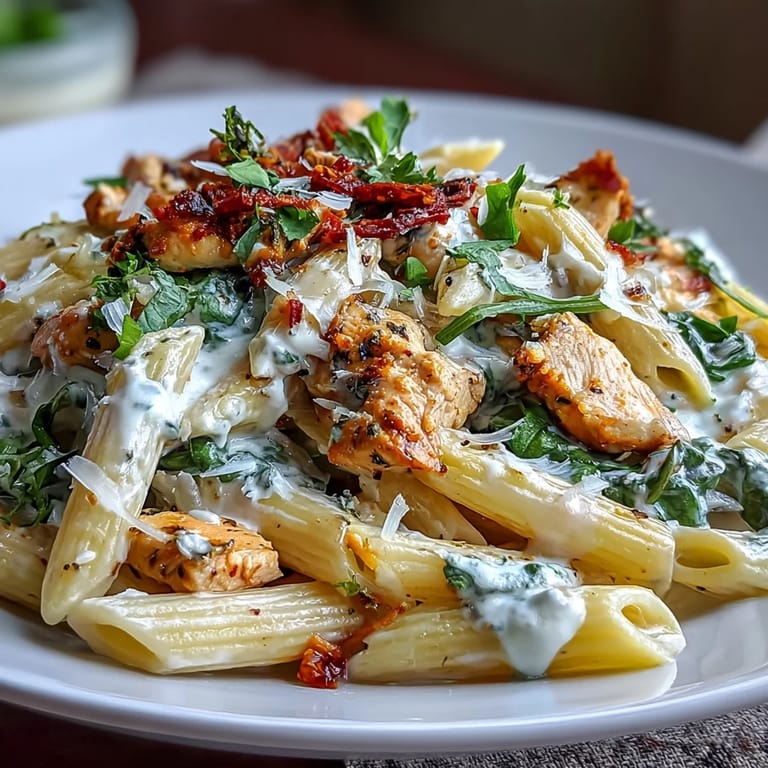
 This is the kind of recipe that makes you feel capable in the kitchen because it comes together in one pan and tastes like you spent way more effort than you actually did. Make it for someone who needs feeding, or make it for yourself on a Tuesday when you need a little brightness in your life.