 Save to Pinterest
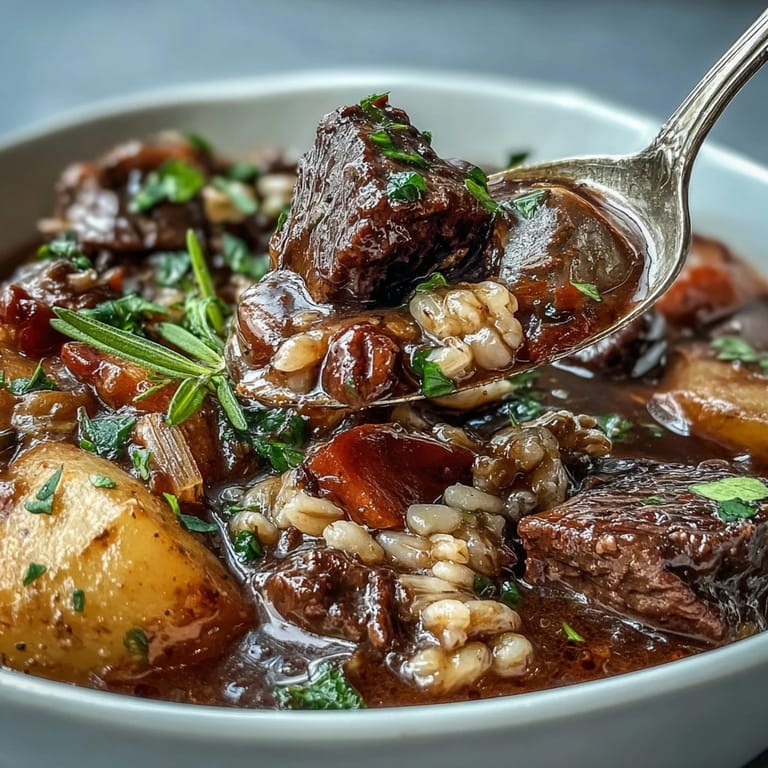
 There's something about the sound of a can opening that signals comfort is on the way, and when that can is Guinness destined for a pot of beef stew, you know you're in for something special. My neighbor knocked on the door one November evening, shivering, asking if I had anything warm to offer, and I remembered my grandmother's Irish stew tradition—but I'd never made it myself. That night, I improvised with what I had: beef chuck, barley, whatever roots were hiding in the vegetable drawer, and yes, a bottle of Guinness left over from a friend's visit. What emerged was this dark, almost mahogany-colored stew that tasted like it had been simmering for generations.
I made this stew the following week for my book club, thinking it might be too casual for a gathering, but everyone's spoon lingered in their bowls just a little too long, and someone asked for the recipe before they even left. That's when I realized this wasn't just food—it was an invitation to sit down, to slow down, to belong somewhere warm.
Ingredients
- Beef chuck (2 lbs): This cut has enough marbling and connective tissue to become silky after long, slow cooking; don't be tempted by leaner cuts, they'll turn tough.
- Olive oil (2 tablespoons): Just enough to get the pan hot and create that gorgeous browning that builds flavor from the very first step.
- Yellow onion (1 large): The base of everything; when diced and cooked until soft, it becomes almost sweet and disappears into the broth.
- Garlic (3 cloves): Minced small so it disperses evenly and adds a quiet depth rather than bold garlic notes.
- Carrots (3): Sliced thick enough to hold their shape but thin enough to cook through in two hours; they also naturally sweeten as they soften.
- Parsnips (2): Often overlooked, they're nutty and slightly sweet, adding complexity that regular carrots alone can't quite achieve.
- Celery (2 stalks): The often-forgotten third member of the vegetable trinity; it grounds the flavor in something earthy.
- Potatoes (2 medium): Diced small enough to cook completely but large enough that you see them in the bowl; they'll thicken the broth naturally.
- Rutabaga or turnip (1 small, about 1 cup): A wild card vegetable that adds an almost mineral, earthy sweetness; don't skip it if you can find it.
- Tomato paste (1 tablespoon): Cooked for just a minute to deepen the color and add umami without tasting obviously tomatoey.
- Pearl barley (3/4 cup, rinsed): Rinsing removes the starch that would otherwise cloud your broth; it adds a chewy, nutty texture that makes this feel like real sustenance.
- Guinness stout (1 can or bottle, 440 ml): The beer cooks off but leaves behind a subtle malty sweetness and dark color that regular beef broth simply can't match.
- Beef broth (4 cups): Quality matters here; this is half your liquid, so use something you'd actually taste on its own.
- Water (1 cup): The remaining liquid that lets everything cook gently and prevents the stew from becoming too intense.
- Salt and black pepper: Season boldly at the beginning and again at the end; the long cooking time mellows everything, so you need more than you think.
- Dried thyme and rosemary (2 teaspoons and 1 teaspoon): Herbs that won't overpower but will remind you this is autumn or winter, no matter the calendar.
- Bay leaves (2): They must come out before serving; they add a whispery herbal note rather than visible flavor.
- Worcestershire sauce (1 tablespoon): Just enough to deepen the savory notes without making the stew taste like Worcestershire.
- Fresh parsley (optional): A bright finish that cuts through the richness and makes the bowl feel intentional rather than accidental.
Tired of Takeout? 🥡
Get 10 meals you can make faster than delivery arrives. Seriously.
One email. No spam. Unsubscribe anytime.
Instructions
- Get your pot singing:
- Heat the olive oil in your Dutch oven over medium-high heat until it shimmers and moves easily across the bottom. You'll know it's ready when the oil looks almost wavy, not thick and still.
- Brown the beef like you mean it:
- Pat the beef dry with paper towels—this is the step that separates good browning from steam-cooking, and it matters more than people think. Season generously with salt and pepper, then place pieces in the hot oil without crowding; let them sit undisturbed for two minutes before turning, and work in batches so the pot stays hot and crowded meat doesn't steam.
- Build your vegetable base:
- In the same pot with the beef browned and set aside, add the diced onion and let it soften for three to four minutes, scraping up the brown bits stuck to the bottom—that's flavor gold. Add garlic, then immediately the other vegetables: carrots, parsnips, celery, potatoes, and rutabaga, and let everything cook together for about five minutes until the edges begin to soften and the whole pot smells like autumn.
- Darken with tomato:
- Stir in the tomato paste and cook for just one minute, letting it caramelize slightly against the hot pot; this step is brief but important.
- Bring it all together:
- Return the browned beef to the pot, then add the barley (rinsed, so the starch doesn't cloud everything), the entire can of Guinness, the beef broth, water, thyme, rosemary, bay leaves, and Worcestershire. Stir everything until combined and the beef is mostly submerged.
- Simmer with patience:
- Bring to a boil over high heat, then immediately reduce to low, cover with the lid slightly ajar, and let it bubble gently for one and a half to two hours. Stir occasionally—maybe every thirty minutes—not because it needs it, but because opening the pot and breathing in that smell is half the pleasure of making stew.
- Finish and taste:
- After the beef is fork-tender and the barley has swollen and softened, fish out the bay leaves and taste everything. Add more salt, pepper, or even a splash more Worcestershire if it needs it; the long cooking time mellows flavors in ways you can't predict.
- Serve with intention:
- Ladle into bowls and scatter parsley over top if you have it fresh, or serve as is with crusty bread on the side for sopping up every last drop of broth.
 Save to Pinterest
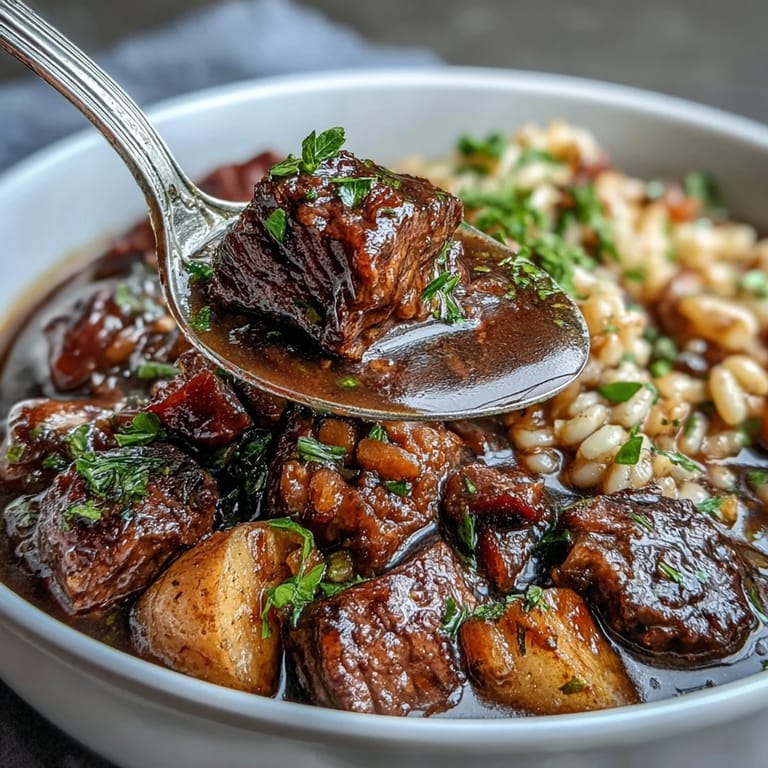
 A few months later, my neighbor brought a pot of his own stew to a block party, and I'd like to think this recipe was somewhere in his inspiration—he added smoked paprika, which I've since stolen and made my own. Food has this strange power to pass between people, changing slightly with each pair of hands, and somehow becoming more meaningful each time.
Why This Works as a One-Pot Meal
Everything cooks together in one pot because the liquid levels, cooking times, and flavors have been balanced so nothing gets overcooked while something else is still raw. The barley releases starch as it cooks, helping thicken the broth naturally, and the potatoes do the same thing, so you end up with a cohesive stew rather than broth with vegetables floating in it. The long, gentle simmer lets the beef become tender without becoming mushy, and the root vegetables soften completely without falling apart—it's the opposite of rushed cooking.
The Guinness Question
I've had people ask if they can really taste the beer, and the honest answer is: not obviously, but absolutely. The Guinness cooks off, so the alcohol content vanishes, but what remains is a dark, slightly malty, almost chocolatey undertone that makes people think you added cocoa or that you're a culinary genius. It's not about tasting like beer; it's about adding depth that regular beef broth alone won't provide. If you want to skip it entirely, use an extra cup of beef broth instead, but you'll lose something—not the Irishness of it, but the secret ingredient everyone will wonder about.
Making It Your Own
This stew is forgiving enough to bend without breaking. Swap the rutabaga for sweet potato if you want sweetness, or skip it entirely and add an extra carrot. Throw in mushrooms if you have them, or a parsnip no one asked for. The herbs can shift too—thyme and rosemary are the backbone, but if you love sage or oregano, use them instead. The only things I wouldn't change are the beef, the barley, and the browning, because those are the pillars everything else stands on.
- Thicken it further: If your stew feels too brothy after cooking, mash some of the potatoes against the side of the pot with a wooden spoon to release their starch.
- Freeze it fearlessly: This stew freezes beautifully for up to three months, and often tastes even better after the freezing and thawing process.
- Serve it boldly: Crusty bread, a green salad, or just a glass of something red alongside—this stew doesn't need much company.
 Save to Pinterest
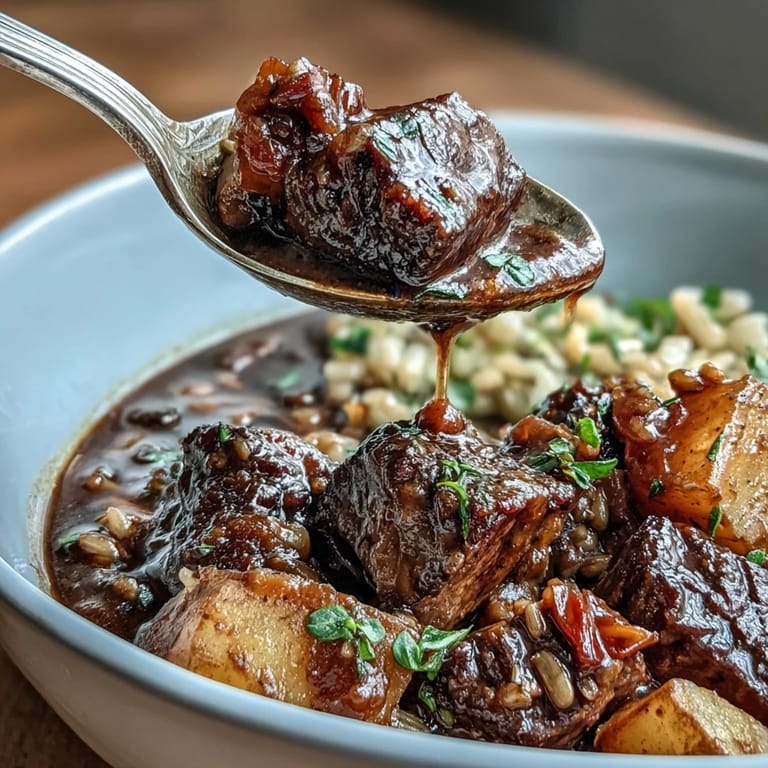
 This stew is the kind of thing you make on a Sunday afternoon so the kitchen smells like home by dinnertime, and everything else in the world feels a little less sharp. It's not fancy, but it's honest, and somehow that's exactly what you need on a cold night.
Recipe FAQs
- → What cut of beef works best for this stew?
Beef chuck is ideal due to its marbling and toughness that breaks down during slow cooking, resulting in tender, flavorful meat.
- → Can I substitute Guinness with another liquid?
Yes, you can replace Guinness with another stout or use extra beef broth for a milder and alcohol-free version.
- → How do root vegetables affect the dish?
Root vegetables like carrots, parsnips, and rutabaga add natural sweetness, texture, and depth to the stew’s flavor profile.
- → What is the purpose of barley in this dish?
Pearl barley adds a nutty flavor and hearty texture, while also helping to thicken the stew as it cooks.
- → How can I thicken the stew if desired?
Mash some of the cooked potatoes and vegetables against the side of the pot to naturally thicken the broth without extra ingredients.