 Save to Pinterest
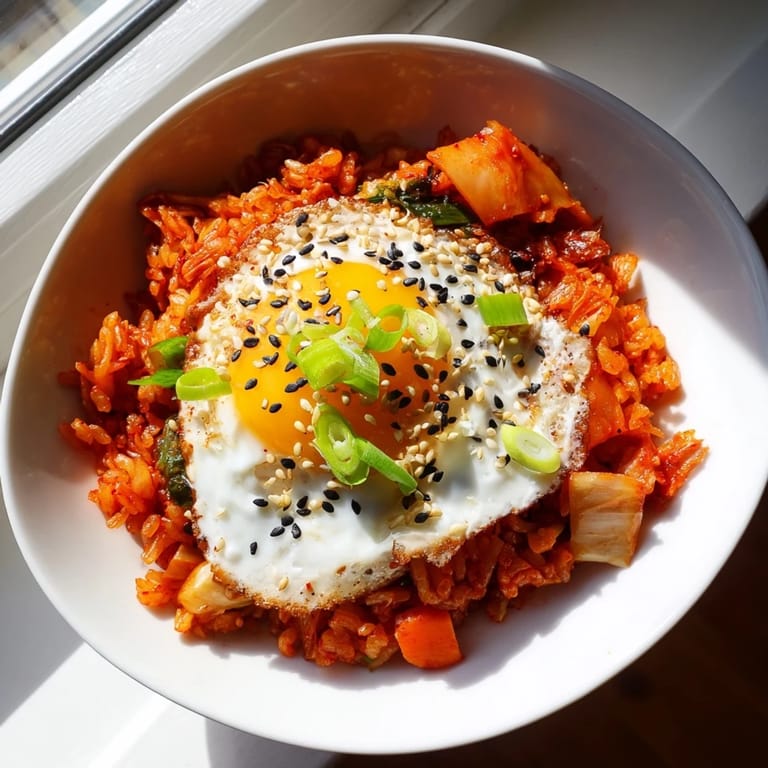
 There's a particular midnight when kimchi fried rice saved me from ordering takeout for the third time that week. I had leftover rice sitting in my fridge, a jar of kimchi that'd been calling to me, and about fifteen minutes before hunger won the argument. The sizzle when that first spoonful hit the hot wok—suddenly the kitchen smelled like Korea, spice, and redemption all at once. What started as a desperate move became my go-to move, the dish I make when I want something bold without the fuss.
My roommate came home to find me plating this with a fried egg on top, and the smell alone made her abandon her plans to order sushi. She sat at the counter, fork in hand, asking what was different about my cooking that day. I realized then it wasn't magic—it was just gochujang and intention, plus the kind of meal that brings people to the table without fanfare or apologies.
Ingredients
- Cooked short-grain rice (2 cups, day-old): Using day-old rice is non-negotiable; it won't clump and turn mushy like fresh rice does, and the grains will separate beautifully when you stir-fry them.
- Napa cabbage kimchi (1 cup chopped, plus 2 tbsp juice): The funky, fermented backbone of this dish—buy the kind that tastes alive and a little aggressive, not mild or too vinegary.
- Yellow onion (½ cup finely chopped): It melts into the rice and builds a sweet, subtle base that balances the kimchi's intensity.
- Carrot (½ cup diced): These add sweetness and texture; their softness contrasts nicely with the chewy grains.
- Green onions (2, white and green separated): The whites cook down and become silky; the greens go in at the end for a fresh, raw bite.
- Gochujang (1 tbsp): This Korean chili paste is thick, complex, and slightly sweet—it's what transforms plain rice into something with personality.
- Soy sauce (1 tbsp): Brings salt and savory depth that ties all the flavors together.
- Toasted sesame oil (1 tsp): A little goes far; this warm, nutty oil finishes the dish with sophistication.
- Sugar (½ tsp): Just enough to round out the edges and let the spice breathe instead of dominate.
- Black pepper (⅛ tsp freshly ground): Fresh is important here; pre-ground tastes dusty compared to what you'll crack yourself.
- Vegetable oil (2 tbsp): High heat oil for cooking; keeps everything from sticking and gets hot enough to develop flavor.
- Toasted sesame seeds (1 tsp for garnish): These add a nutty crunch that makes each bite feel intentional.
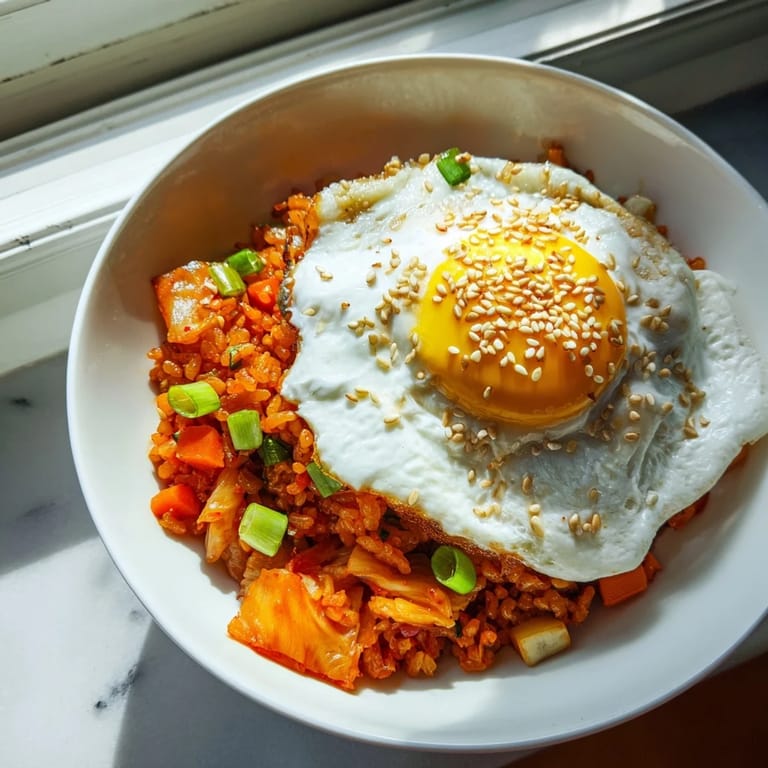
- Fried eggs (2, optional): A runny yolk melting into the hot rice is not optional in my kitchen, but I respect if you disagree.
Tired of Takeout? 🥡
Get 10 meals you can make faster than delivery arrives. Seriously.
One email. No spam. Unsubscribe anytime.
Instructions
- Heat your pan and soften the alliums:
- Get your skillet or wok screaming hot over medium-high heat, then add one tablespoon of oil. When it shimmers, throw in the onion, carrot, and white parts of the green onion—they should sizzle immediately. Let them go for two to three minutes until the onion turns translucent and the carrot softens slightly; you want them yielding but not mushy.
- Introduce the kimchi:
- Add your chopped kimchi to the hot pan and let it sit for a moment before stirring. After two to three minutes, you'll notice the edges start to caramelize and deepen in color—that's when you know the heat is doing its job and the kimchi is building flavor.
- Build the sauce:
- Stir in the gochujang, soy sauce, kimchi juice, sugar, and pepper all at once. Cook for about a minute, stirring constantly so everything coats evenly and the gochujang dissolves into the vegetables instead of clumping.
- Combine with rice and finish:
- Break up your rice with your spatula and push everything into the pan, tossing gently but thoroughly for three to four minutes. You're looking for the rice to be evenly colored and heated all the way through, then drizzle with sesame oil and add the green parts of the green onion at the very end—this keeps them bright and fresh.
- Fry your eggs (optional but encouraged):
- In a separate small pan with the remaining tablespoon of oil over medium heat, fry your eggs to however you like them best. A runny yolk is traditional, but crispy edges are good too.
 Save to Pinterest
 The first time I made this for someone who grew up eating real kimchi fried rice in Seoul, I held my breath while they took that first bite. They nodded, smiled, and said it tasted like home but with my own hand in it—which felt like the highest compliment a borrowed dish could ever receive.
Why This Dish Works
Kimchi fried rice succeeds because it respects the power of fermented vegetables and doesn't apologize for spice. The umami from the gochujang and soy sauce doesn't fight with the kimchi's sourness; they dance together. Add rice as the canvas and you've got something that feels both humble and impressive at the same time, which is hard to pull off in fifteen minutes.
The Art of Temperature and Timing
High heat is your friend here, but only if you're willing to stand there and pay attention. The moment you walk away to check your phone is the moment something will stick or the vegetables will give up their texture. The whole process moves fast—that's part of its appeal—but it demands presence in a way that low-and-slow cooking never does.
Serving and Making It Your Own
This dish is a foundation, not a rulebook. Some mornings I've added crispy tofu or leftover rotisserie chicken, other times I've topped it with a soft scrambled egg instead of fried because I was feeling less ceremonial. The beauty is how it absorbs whatever you throw at it while keeping its essential character intact. Think of it as a friend who makes everyone feel welcome but never loses themselves in the process.
- Serve it straight from the pan if you're eating alone, or plate it into individual bowls for a more intentional presentation.
- A cold glass of barley tea or crisp beer beside it will make your whole evening feel somehow more civilized.
- Leftover kimchi fried rice reheats beautifully in a hot wok with a splash of water—it tastes even better the next day.
 Save to Pinterest
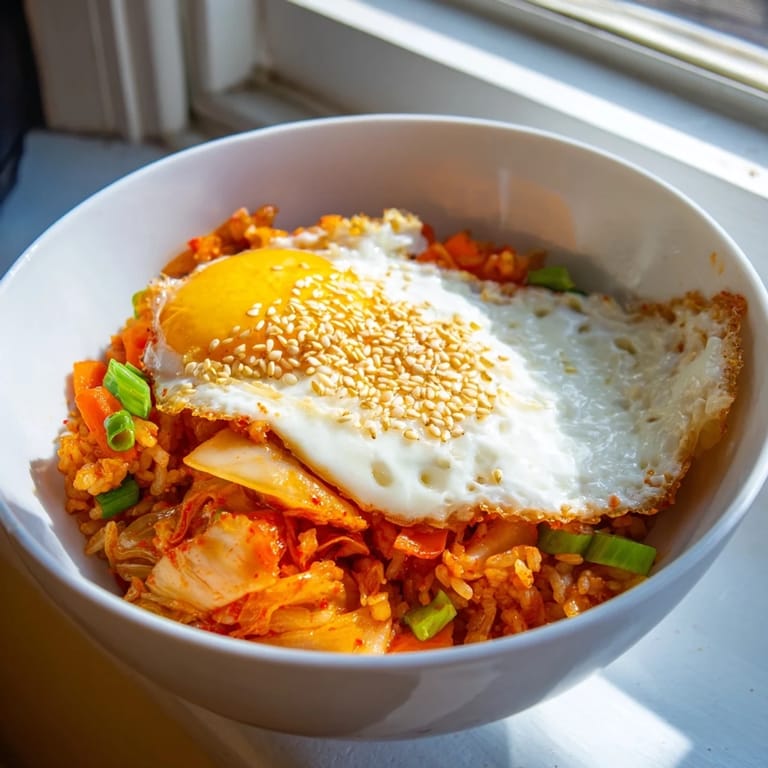
 This is the kind of meal that proves you don't need hours in the kitchen to make something that tastes like you care. It's fast, forgiving, and tastes like a little adventure every single time.
Recipe FAQs
- → Why is day-old rice recommended?
Day-old rice is drier and has individual grains that separate easily, preventing the dish from becoming mushy. Fresh warm rice contains too much moisture and tends to clump together.
- → Can I make this without gochujang?
Yes, you can substitute with sriracha, red chili flakes, or another Korean red chili sauce. Adjust quantities to taste and remember that gochujang provides a unique fermented depth that other chilies may not replicate exactly.
- → How do I adjust the spice level?
Start with half the gochujang and kimchi juice, then taste and add more gradually. The kimchi itself contains spice, so taste as you go. You can always add more heat, but you cannot remove it.
- → What proteins pair well with this dish?
Fried eggs are traditional and ideal. Cooked shrimp, diced chicken, crispy tofu, or beef are excellent additions. Add proteins after the vegetables but before the rice for even distribution.
- → Is this vegetarian?
Yes, the base is vegetarian. Most gochujang and kimchi varieties are plant-based, but always check labels for fish paste or other animal products. Omit the fried egg or use vegan alternatives for a fully plant-based version.
- → Can I prepare ingredients in advance?
Absolutely. Chop vegetables and measure seasonings ahead of time. Store in separate containers in the refrigerator. This makes assembly quick when you are ready to cook. Prepare everything except the rice, which should be refrigerated separately.