 Save to Pinterest
 My grandmother's kitchen always smelled like this dish simmering away on a Sunday afternoon, but it wasn't until I burned a batch of breadcrumbs topping that I truly understood what makes a cassoulet sing. The charred bits somehow made everything taste deeper, richer, more intentional. That accident taught me that this French rustic classic isn't about perfection, it's about layering flavors with patience and letting time do the heavy lifting. Now whenever I make it, I think of her standing by the oven door, entirely unbothered by the mess, utterly certain it would turn out right.
I made this for my partner on a cold Tuesday night when neither of us felt like eating takeout again, and watching their face when they tasted it made me understand why French grandmothers guard their cassoulet recipes like secrets. The house filled with this warm, meaty aroma that seemed to wrap around everything, and by the time we sat down, we were already hungry again just from smelling it. That meal turned into a tradition, and now we make it whenever we need the kitchen to feel like home.
Ingredients
- Smoked ham, diced (400 g): Look for quality smoked ham from a butcher if you can, as the depth of that smoke flavor is what separates a good cassoulet from a forgettable one.
- Pork sausage, thickly sliced (200 g): Choose a country-style or herbed sausage that has actual meat in it, not one that breaks apart when you touch it.
- Bacon or pancetta, diced (100 g): Pancetta brings a slightly sweeter, less smoky note than bacon, so pick whichever matches your mood that day.
- Dried white beans, soaked overnight (500 g): Cannellini or Great Northern beans both work beautifully, and overnight soaking makes them cook more evenly without splitting apart.
- Carrots, celery, and onion: This classic trio builds the flavor foundation, and the slower they cook, the sweeter and more integrated they become.
- Garlic cloves, minced (4): Add these after the softer vegetables have started breaking down, or they'll burn and turn bitter on you.
- Canned diced tomatoes (400 g), drained: Drain them well, or you'll end up with a thin, watery cassoulet instead of the thick, luxurious consistency you're after.
- Chicken stock (1.2 L): Use real stock if possible, not bouillon cubes, because those ten minutes of simmering will taste the difference.
- Tomato paste (2 tbsp): This concentrated umami adds savory depth without making the dish taste tomatoey.
- Olive oil (2 tbsp): Use something you don't mind cooking with, as high heat will make expensive oil taste burnt.
- Bay leaf and fresh thyme: These herbs tie everything together, and the bay leaf should always be removed before serving so no one bites into it.
- Smoked paprika (1 tsp): This is what gives the dish its characteristic warmth and color, so don't skip it or substitute regular paprika.
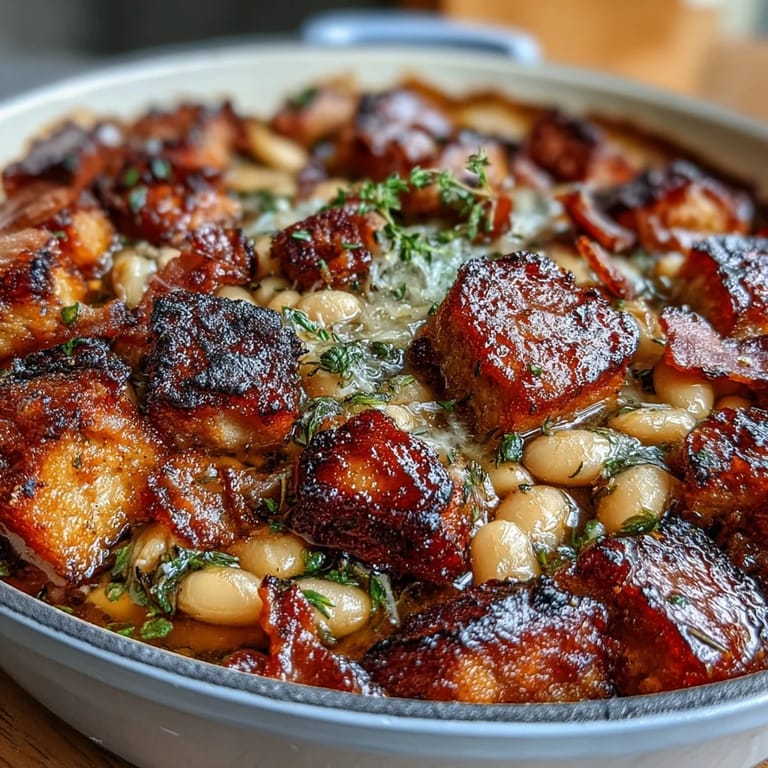
- Breadcrumbs for topping (1 cup, optional): Toast them in a pan with a little olive oil before scattering over the top if you want them golden and crispy instead of soggy.
- Fresh parsley for garnish (2 tbsp): Chop this just before serving so it keeps its brightness and doesn't turn dark and tired.
Tired of Takeout? 🥡
Get 10 meals you can make faster than delivery arrives. Seriously.
One email. No spam. Unsubscribe anytime.
Instructions
- Heat your oven and start with the meat:
- Set the oven to 160°C and heat olive oil in your Dutch oven over medium heat, then add the bacon or pancetta and let it get golden and crispy. This first step seasons the whole pot and gives everything a smoky foundation to build on.
- Build your flavor base with vegetables:
- Once the bacon is done, add your chopped onion, carrots, and celery, stirring occasionally for about five to seven minutes until they soften and start to smell sweet. You'll know they're ready when the onion becomes translucent and the kitchen smells like you're doing something serious.
- Wake up the garlic:
- Add your minced garlic and stir for just one minute, enough for it to release its smell but not long enough to burn. Burned garlic tastes bitter and regretful, so stay present and watch it.
- Add the ham and sausage:
- Stir in your diced ham and sliced sausage, cooking until they're lightly browned on the outside. This step takes maybe five minutes and helps all the different meats get to know each other.
- Deepen with tomato and spice:
- Add your tomato paste, smoked paprika, and drained diced tomatoes, stirring constantly for about two minutes so the tomato paste breaks down and the paprika blooms. You'll notice the color deepen and the smell become more complex.
- Bring everything together:
- Pour in your soaked and drained beans along with the chicken stock, then add the bay leaf and thyme sprigs. Season with salt and pepper to taste, then bring it all to a gentle simmer, stirring once or twice to make sure everything is mingling.
- Let the oven work its magic:
- Cover your pot and transfer it to the oven for one hour and thirty minutes, checking halfway through and stirring gently so nothing sticks to the bottom. The beans should be completely tender and the liquid should have reduced to a thick, rich sauce that coats a spoon.
- Add the crispy topping (optional but encouraged):
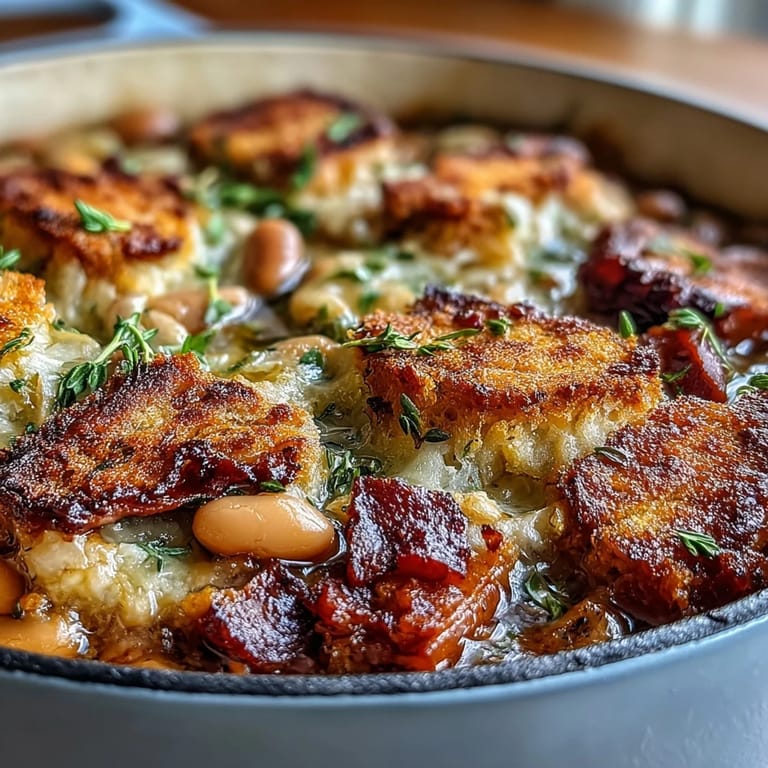
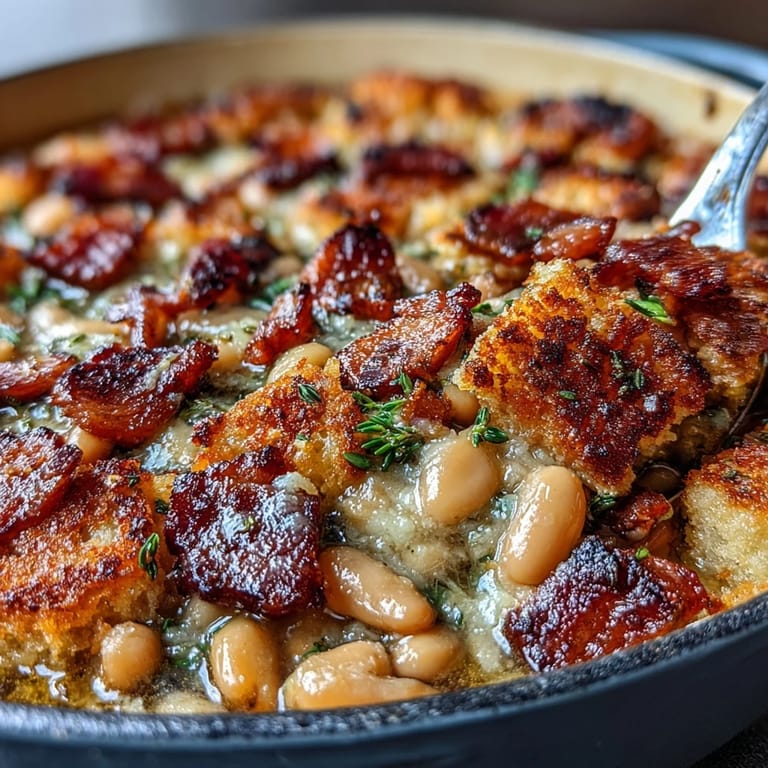
- If using breadcrumbs, sprinkle them over the top during the last fifteen minutes of baking without the lid, and watch them turn golden and crisp. They catch the heat beautifully and add a textural contrast that makes every spoonful feel special.
- Finish and serve:
- Remove the bay leaf and thyme sprigs, taste the cassoulet, and adjust your seasoning one last time if needed. Garnish with fresh parsley and serve while it's still steaming, ideally with crusty bread and a glass of robust red wine.
 Save to Pinterest
 My friend who claims to dislike beans came to dinner one night and asked for thirds of this cassoulet, which felt like winning a quiet victory. Food has a way of changing people's minds when you've put real thought and time into it, and this dish does that without any showiness or fuss.
When to Make This Dish
This is peak fall and winter cooking, when the kitchen needs to be warm and the food needs to feel substantial. I make it when friends are coming over and I want them to know I've taken time with them, or when I need to feel nourished in a way that takeout can't quite deliver. It's also the kind of dish that sits beautifully in the fridge for two or three days, getting more flavorful with each passing hour, so don't hesitate to make it ahead.
Why This Tastes Like Home
Cassoulet isn't fancy or fussy, but it carries the weight of time in every spoonful. The long cooking process allows flavors to deepen and intermingle in ways that quick meals simply can't achieve, and there's something deeply satisfying about serving food that has been cared for. This is why French families have made it for centuries, and why it never goes out of style.
Storage and Serving Suggestions
Keep your cassoulet covered in the fridge for up to four days, and it will taste better on day two or three than it does on day one. Reheat it gently in a 160°C oven for about twenty minutes until it's warmed through, adding a splash of stock if it seems too thick. Serve with crusty bread to soak up every bit of sauce, and a Cahors or Côtes du Rhône wine if you want to feel like you're sitting in a French countryside inn.
- Make it a day or two ahead for deeper flavor and easier entertaining.
- You can freeze it for up to three months, then thaw overnight and reheat gently.
- Leftovers are actually better than the first serving, so don't feel bad about making extras.
 Save to Pinterest
 This cassoulet is the kind of dish that reminds you why cooking for people matters. Once you make it, you'll understand why it's been beloved for generations.
Recipe FAQs
- → What type of beans work best?
Dried white beans such as cannellini or Great Northern are ideal for their creamy texture and ability to absorb flavors.
- → Can I use fresh herbs instead of dried?
Yes, fresh thyme and parsley enhance the aroma, but dried herbs can be substituted retaining flavor balance.
- → How long should I soak the beans?
Soaking the beans overnight softens them and reduces cooking time, ensuring even tenderness.
- → Is this dish suitable for gluten-free diets?
Yes, as long as gluten-free sausage and breadcrumbs are used or omitted, it remains gluten friendly.
- → What cooking vessel is recommended?
A heavy Dutch oven or large casserole dish ensures even heat distribution for slow cooking.
- → Can the casserole be prepared in advance?
Flavors improve when made a day ahead and reheated gently before serving for best results.