 Save to Pinterest
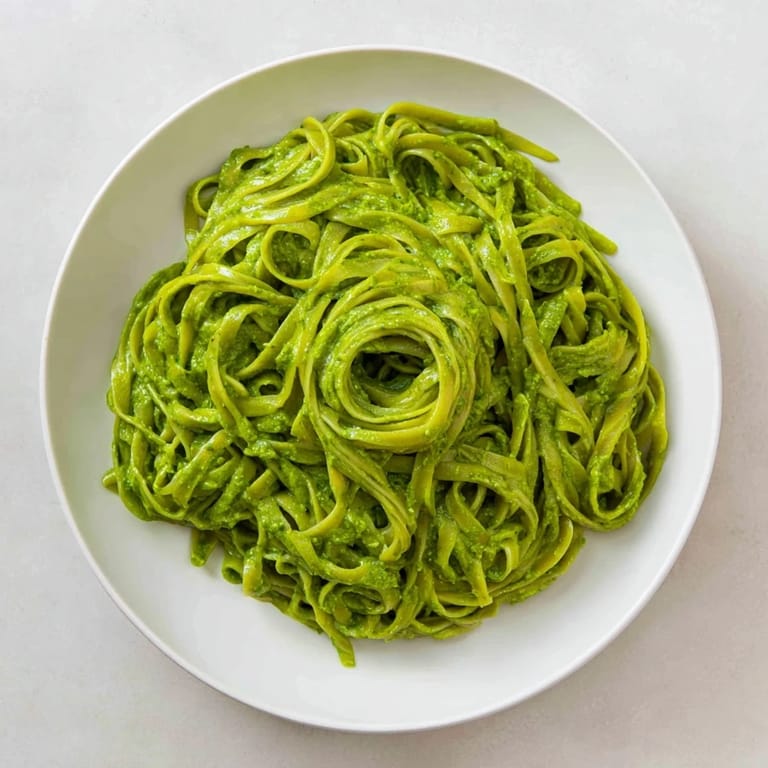
 I stumbled on this sauce one evening when I had a fridge drawer bursting with herbs I didnt want to waste. Tossing everything into the blender felt reckless, but the emerald stream that poured out smelled so bright and alive I knew I was onto something. The first forkful made me laugh out loud because it tasted like spring had crashed into my kitchen. Now I make it whenever I need a meal that feels like a small celebration without any fuss.
The first time I served this to friends, they kept asking what restaurant I ordered it from. I pointed at the blender still sitting on the counter, flecked with green, and they didnt believe me until I made it again the next weekend. Watching their faces light up when they tasted it never gets old, and I love that something this simple can feel like a secret worth sharing.
Ingredients
- Baby spinach: Adds body and a mild sweetness without overpowering the herbs, plus it blends silky smooth.
- Green cabbage: Brings a subtle earthiness and helps stretch the sauce without making it heavy.
- Fresh parsley: The backbone of the herby flavor, bright and clean without any bitterness.
- Fresh basil: Lends a sweet, peppery note that makes the whole sauce feel alive.
- Fresh chives: Adds a gentle onion flavor that stays soft and doesnt bite.
- Fresh tarragon: Optional but worth it if you have it, it gives an elegant anise whisper that rounds everything out.
- Garlic: Two cloves are just enough to add warmth without shouting.
- Green onions: A little sharpness that fades into the background but deepens the flavor.
- Avocado: The secret to that luscious, creamy texture that clings to every noodle.
- Greek yogurt or sour cream: Adds tang and richness, making the sauce feel indulgent.
- Mayonnaise: Helps emulsify everything into a glossy, pourable consistency.
- Parmesan cheese: A salty, nutty boost that makes the sauce taste more complex.
- Lemon juice: Freshly squeezed is key, it brightens the whole dish and cuts through the richness.
- White wine vinegar: A tiny splash that sharpens the flavors just enough.
- Olive oil: Smooths out the texture and adds a fruity note.
- Salt, black pepper, red pepper flakes: Simple seasoning that lets you adjust the heat and depth to your liking.
- Pasta: Any shape works, but I love how linguine twirls around the sauce.
Tired of Takeout? 🥡
Get 10 meals you can make faster than delivery arrives. Seriously.
One email. No spam. Unsubscribe anytime.
Instructions
- Boil the pasta:
- Get a big pot of salted water rolling and cook your pasta until its just tender with a little bite. Save half a cup of that starchy water before you drain, itll help the sauce hug the noodles.
- Blend the sauce:
- While the pasta bubbles away, pile all the greens, herbs, vegetables, dairy, lemon juice, vinegar, oil, and seasonings into your blender. Blitz it until its smooth and creamy, stopping to scrape the sides if needed.
- Adjust the consistency:
- If the sauce looks too thick, drizzle in a tablespoon of pasta water at a time and blend again until it pours easily. You want it to coat a spoon but not cling like frosting.
- Taste and tweak:
- Give it a taste and add more salt, pepper, or lemon juice until it sings. This is your chance to make it yours.
- Toss and serve:
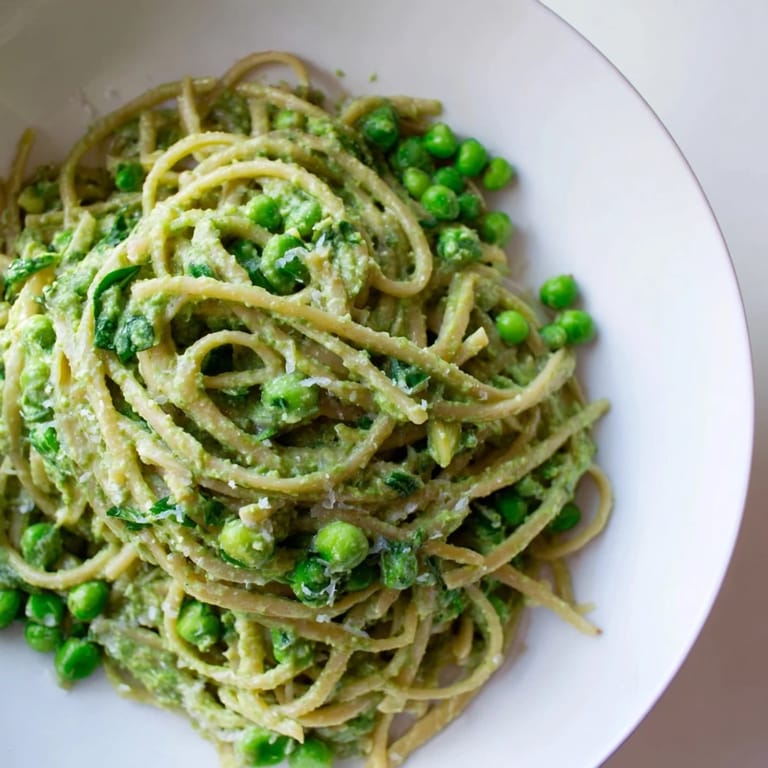
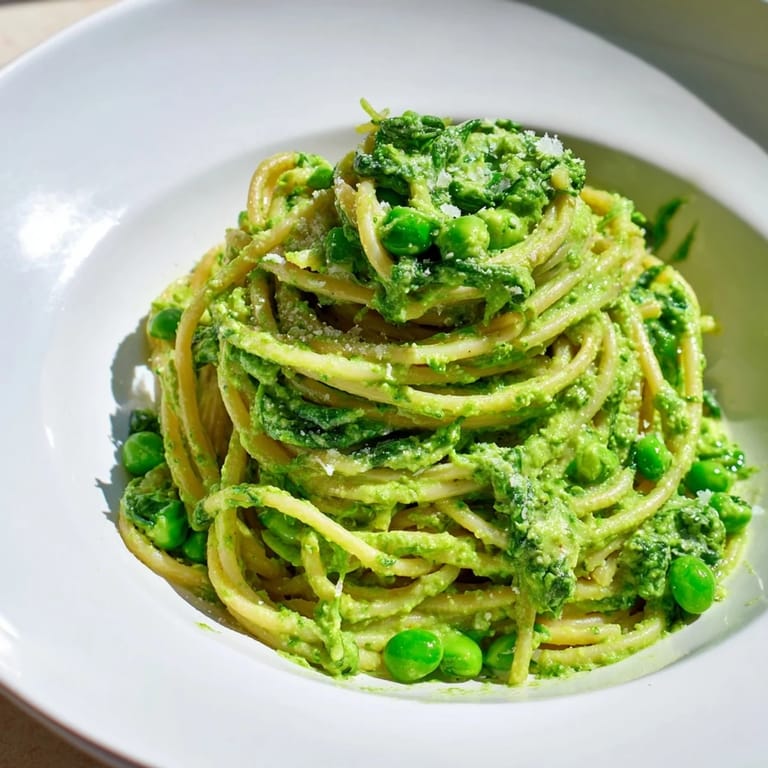
- Pour the sauce over the hot drained pasta and toss until every strand is slicked with green. Serve it right away with extra herbs and Parmesan scattered on top.
 Save to Pinterest
 One rainy Saturday I made this and ate it cold straight from the fridge the next morning, standing at the counter in my socks. It tasted even better than I remembered, the flavors had melded overnight and the creaminess felt almost decadent. That was the moment I realized this wasnt just dinner, it was the kind of recipe that quietly becomes part of your life.
Making It Your Own
Ive thrown in handfuls of arugula when I had it, swapped the tarragon for dill, and even stirred in a spoonful of miso for extra umami. The beauty of this sauce is that it bends to whatever greens and herbs are hanging around, so treat the recipe as a starting point and let your fridge guide you.
Serving Suggestions
I love piling this pasta into shallow bowls and topping it with crispy chickpeas or a handful of toasted walnuts for crunch. It also makes a fantastic base for grilled chicken or shrimp if you want to bulk it up, and Ive served it cold at picnics where it disappeared faster than anything else on the table.
Storage and Leftovers
The sauce keeps in an airtight container in the fridge for up to three days, though the color dulls a bit as it sits. I usually make extra and toss it with roasted vegetables or spread it on sandwiches, because it turns almost anything into something worth eating.
- If the sauce thickens in the fridge, whisk in a splash of water or olive oil to loosen it back up.
- You can freeze the sauce for up to a month, but the texture might separate slightly when thawed, so give it a good stir.
- Leftover pasta is perfect for lunch the next day, just add a squeeze of lemon to wake it up.
 Save to Pinterest
 This is the kind of recipe that makes you feel like a better cook than you are, because it looks impressive and tastes restaurant worthy but comes together in less time than it takes to decide what to watch. I hope it becomes one of those dishes you reach for when you want something that feels like care without the effort.
Recipe FAQs
- → What herbs are used in this sauce?
The sauce features fresh basil, parsley, chives, tarragon (optional), spinach, and green cabbage to create its vibrant flavor.
- → How can I adjust the sauce consistency?
Use reserved pasta cooking water, adding it gradually while blending to achieve a smooth, pourable texture.
- → Can this sauce be served cold?
Yes, the sauce works well both warm and as a chilled pasta salad dressing, offering flexibility in serving options.
- → What can I use as vegan alternatives?
Plant-based yogurt and vegan mayonnaise substitute dairy, and vegan Parmesan or nutritional yeast can replace traditional cheese.
- → Which pasta types work best?
Long pastas like linguine or spaghetti are ideal, but penne or other shapes can also carry the sauce effectively.