 Save to Pinterest
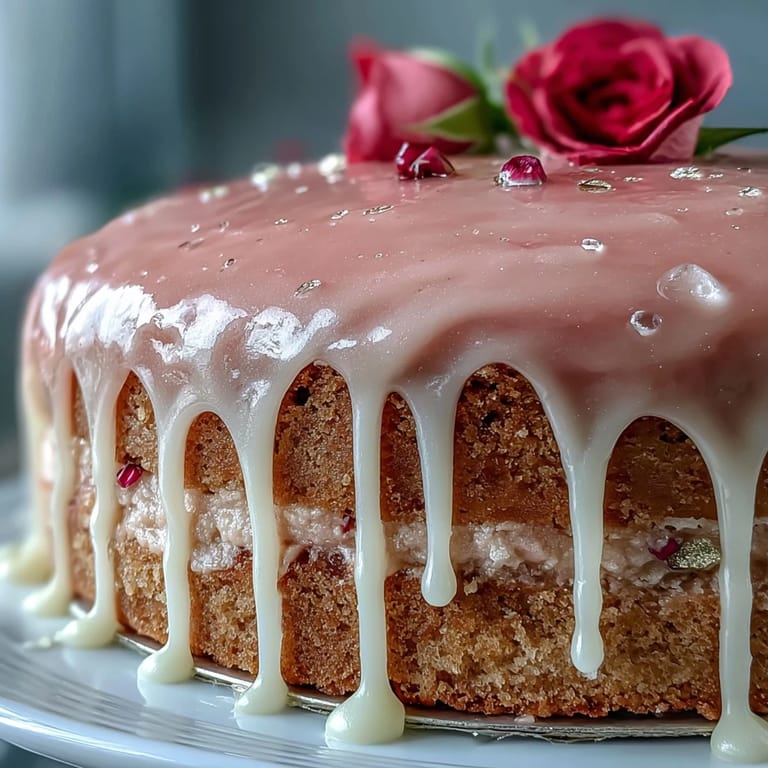
 As I whisked together flour and rosé for the first time, a burst of springy, floral fragrance filled my kitchen. The idea of a velvet cake tinged pink and kissed with wine came to me on a whim, inspired by a shelf of half-finished bottles after a celebratory evening. Something about combining cake and a sip of blush felt like a tiny rebellion against ordinary desserts. Once I saw the finished result shimmering under the kitchen light, I knew this had to be my signature for occasions worth remembering. The subtle glint of gold and the delicate flavor never fail to make me smile.
One afternoon before a friend's bridal shower, my hands nervously smeared pink streaks across the counter as I tried to match the color to her dress. My sister practiced balancing a cake on her palm, and we laughed when a little too much gold dust ended up on our faces. That kitchen filled with gossip, music, and runaway sprinkles turned assembling this cake into a memory itself, long before it was ever served.
Ingredients
- All-purpose flour: For the soft, close crumb that sets velvet cakes apart, sift well.
- Granulated sugar: White sugar provides clean sweetness—be sure it's fresh for best results.
- Baking soda: This is your leavening powerhouse; don't skip or under-measure.
- Fine salt: A pinch sharpens the other flavors—it's subtle but crucial.
- Cocoa powder (unsweetened): Just enough to deepen the flavor without overpowering; sift to avoid lumps.
- Vegetable oil: Oil guarantees a moist crumb, even the next day.
- Eggs (room temperature): Let them sit on the counter so the batter comes together smoothly.
- Buttermilk (room temperature): Adds tanginess and tenderness; don't substitute with plain milk.
- Rosé wine: Pick a dry or sparkling rosé—the flavor should be delicate, not sweet.
- Vanilla extract: Use real extract for complexity in both cake and buttercream.
- White vinegar: The classic velvet texture comes from the acid interaction, so measure carefully.
- Pink or rose gel food coloring: Start small—a drop or two goes a long way.
- Unsalted butter (room temperature): For cloud-like buttercream, this must be soft to the touch.
- Powdered sugar (sifted): Sifting prevents gritty buttercream, so don't skip this step.
- Edible gold luster dust: Make sure it's labeled edible—keep the sparkle safe!
- White chocolate chips: Melts easily for drip—choose high quality for smoothness.
- Heavy cream: Adds shine and pourability for the perfect drip.
- Vodka or clear lemon extract: Evaporates fast for luster paint—vodka leaves no aftertaste.
- Parchment paper: Essential for easy cake removal—don't risk sticking!
Tired of Takeout? 🥡
Get 10 meals you can make faster than delivery arrives. Seriously.
One email. No spam. Unsubscribe anytime.
Instructions
- Get the pans set:
- Preheat your oven to 350°F (175°C) and line three 8-inch pans with parchment. There's something satisfying about pressing the paper perfectly into place.
- Sift and measure:
- Mix flour, sugar, baking soda, salt, and cocoa in a wide bowl, breathing in the faint chocolatey aroma as the dust settles.
- Blend the wet mix:
- Whisk oil, eggs, buttermilk, rosé, vanilla, and vinegar until you're left with a glossy liquid that smells faintly floral.
- Color the batter:
- Add the wet to the dry, folding gently, then squeeze in food coloring until you hit that perfect blushy hue.
- Fill and bake:
- Divide evenly among pans, then bake for 30-35 minutes—the kitchen fills with a sweet, heady scent. A toothpick should come out mostly clean, with maybe one dreamy crumb.
- Cool off:
- Let cakes rest in their pans before transferring to a rack—too soon and they'll crumble, so it pays to wait.
- Whip up buttercream:
- Beat butter until almost white, then rain in the powdered sugar, watching it billow and swirl.
- Add flavor and fluff:
- Pour in rosé and vanilla, finishing with salt and more mixing until so silky you want to eat it by the spoonful.
- Stack and fill:
- Level cake layers if needed, then sandwich with buttercream, using your offset spatula like an artist's brush.
- Crumb coat & chill:
- Cover the cake lightly, chill for 20 minutes, then come back for a dreamy finish.
- The gold drip:
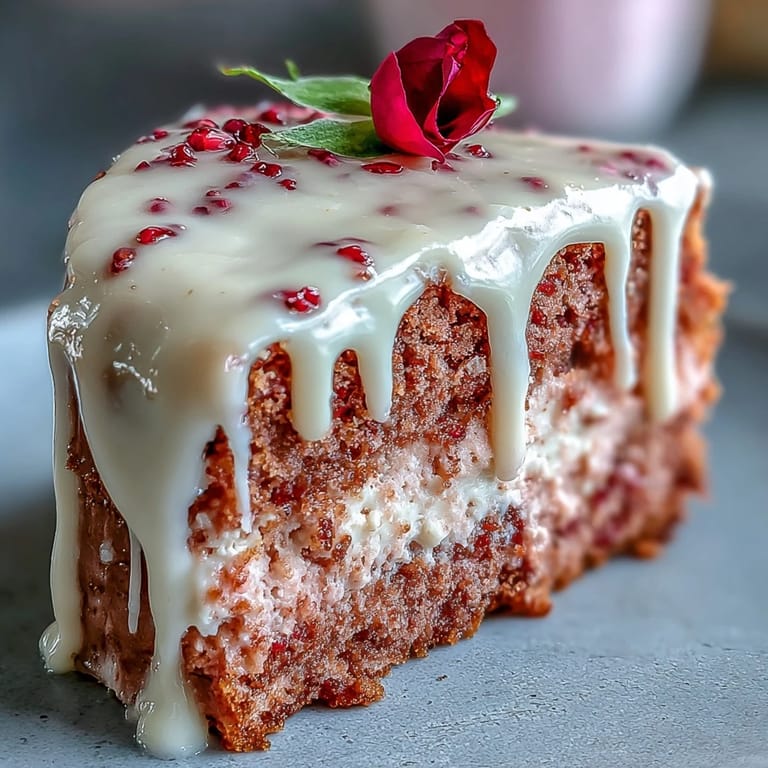
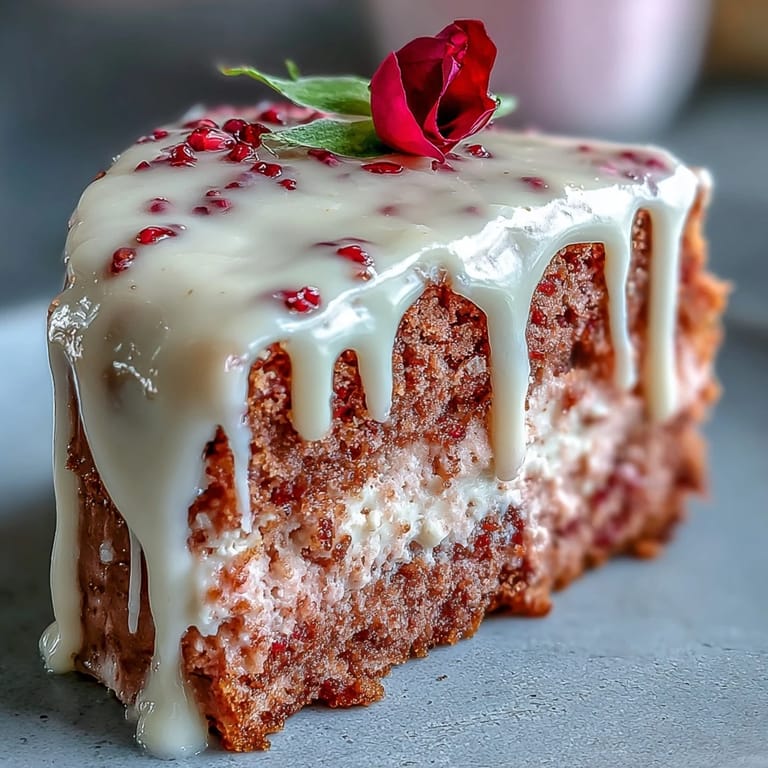
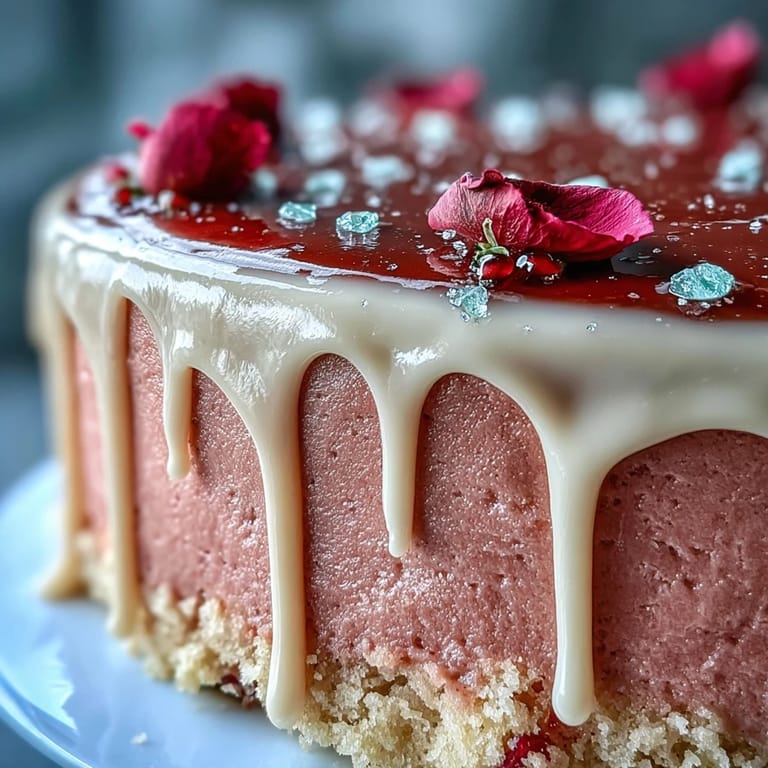
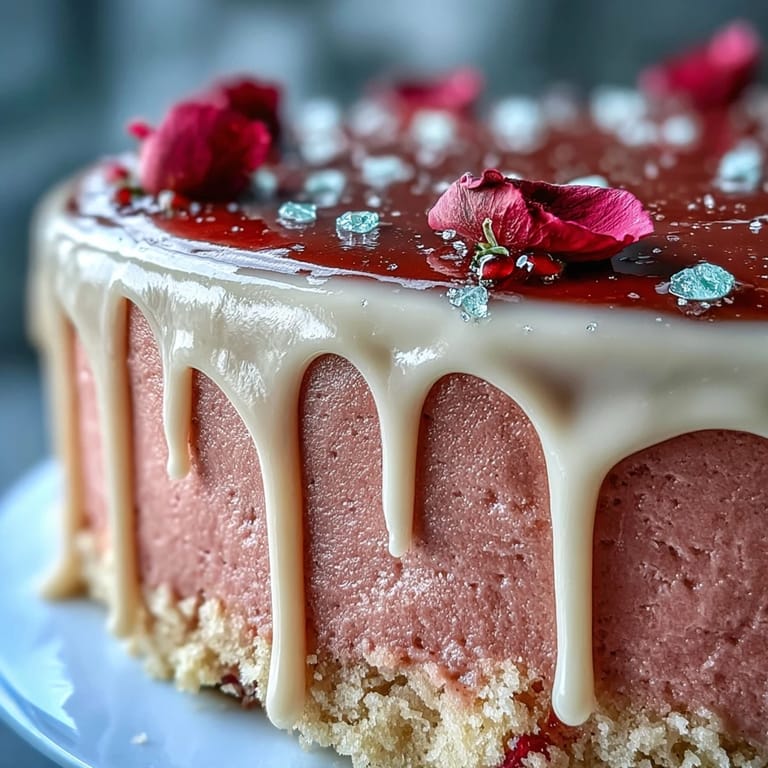
- Melt white chocolate and cream, cool a little, then pour gently around the cake's edges, letting it drip where it wants. Mix luster dust with vodka and swipe gold across the drips with a steady hand.
- Final touches:
- Scatter extra gold, rose petals, or a tumble of berries—choose whatever feels festive for your celebration.
 Save to Pinterest
  Save to Pinterest
 On the day of the bridal shower, the guests gathered around to admire the cake before it was even sliced, and someone joked that it sparkled more than the engagement ring. Seeing everyone pause, phones out, laughter echoing, I realized this recipe had turned a simple dessert into the centerpiece of the afternoon.
Making It Memorable
The ritual of painting on the gold drip became my favorite part—an oddly calming task, accompanied by clinks of glasses and shared stories. It's not just cake decorating; it's a moment that punctuates the preparations with a sense of accomplishment.
Helpful Make-Ahead Tricks
Baking the layers a day ahead means less stress on party day. Letting the flavors settle overnight actually intensifies the rosé's delicate notes and makes leveling and stacking much easier when you're not in a rush.
Troubleshooting in Real Time
Not every gold drip turns out perfect on the first try—sometimes it's a bit thick, sometimes a little too runny, but each attempt is a lesson in patience and improvisation. If the drip veers off course, you can nudge it back with a warm spoon or dab away excess with a napkin. The most important thing is to have fun and remember that a little sparkle covers many mishaps.
- Chill the cake well before pouring on the drip so it sets instantly.
- A little extra rosé in the buttercream fixes any stiffness.
- Remember to taste as you go—because why not?
 Save to Pinterest
  Save to Pinterest
 May every slice bring a little bit of sparkle and a burst of joy to your celebration. Here—the cake is ready, let the memories begin.
Recipe FAQs
- → Can I use sparkling rosé instead of still rosé?
Yes — a dry sparkling rosé adds a delicate effervescence and brighter floral notes. Reduce any extra liquid elsewhere if your wine is particularly bubbly.
- → How do I prevent a runny buttercream?
Keep butter at room temperature but not warm. Beat until light, then add powdered sugar gradually. Chill the filled cake for a crumb coat and adjust consistency with more sugar to stiffen or a splash of rosé to loosen.
- → What's the best way to get even cake layers?
Weigh or evenly divide batter between pans and bake until a toothpick comes out clean. Once cooled, level tops with a serrated knife or cake leveler for uniform stacking.
- → How do I achieve a smooth gold drip?
Cool the white chocolate drip slightly so it thickens but remains pourable. Apply at the edge and let gravity form drips. Mix luster dust with a clear, food-safe spirit or extract and paint once the drip is set.
- → Can this be made ahead of time?
Yes — bake and freeze layers or assemble the cake and chill overnight. Bring to room temperature before serving for best texture and flavor.
- → Any tips for working with edible gold luster dust?
Use food-grade luster dust and mix with a clear alcohol or extract to make a paint. Apply sparingly with a clean, food-safe brush and avoid non-edible metallic products.