 Save to Pinterest
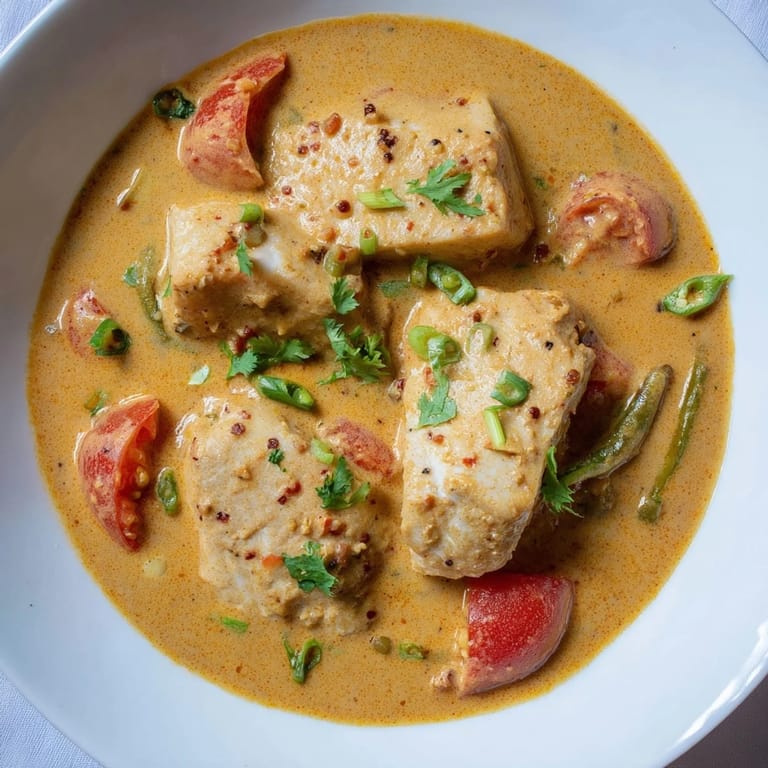
 The first time I made this Bahraini fish curry, I wasn't trying to recreate some grand memory—I was just standing in my kitchen on a quiet afternoon, drawn to the smell of ginger and coconut simmering together. My neighbor had mentioned this dish so casually over tea, describing how the spices bloom in the hot oil before the fish ever touches the pan, and I found myself oddly curious about that moment. What started as simple curiosity turned into one of those meals that feels both comforting and exciting, where every spoonful tastes like someone's been cooking this way for generations.
I remember serving this to friends on a chilly evening when someone mentioned they'd never had Bahraini food before. Watching them taste that first spoonful—the way their faces softened as the warm spices and creamy sauce hit their palate—made me realize this dish has a quiet kind of magic. It doesn't shout for attention, but it stays with you long after the bowl is empty.
Ingredients
- Firm white fish fillets (600 g): Cod, snapper, or hammour work beautifully here; they hold their shape and absorb the sauce without falling apart. Cut them into generous chunks so they stay tender inside while developing a slight golden edge.
- Salt and ground turmeric: This short rest period seasons the fish deeply and gives it a subtle golden hue that signals flavor before you even taste it.
- Vegetable oil (2 tbsp): You need enough to coat the pan generously so the onions caramelize rather than steam, building the foundation for everything else.
- Onion, garlic, ginger, and green chilies: These aromatics are your flavor base; the fresher your ginger and garlic, the more alive the dish tastes. Don't skip the ginger—it's what makes this feel authentically warming.
- Tomatoes: Chopped fresh tomatoes add brightness and body to the sauce, though canned work in a pinch when fresh ones aren't at their best.
- Ground coriander, cumin, cinnamon, black pepper, paprika, and cardamom: Each spice plays a specific role—coriander brings earthiness, cumin adds warmth, cinnamon whispers sweetness, and cardamom ties everything together with complexity. Toast them in the heat for a moment to wake them up.
- Coconut milk and water: The coconut milk is your sauce, rich and creamy, while the water keeps it from being too heavy. Fresh coconut milk makes a difference if you can find it.
- Lemon juice and fresh coriander: These finish the dish, adding brightness and a fresh herbal note that prevents the richness from becoming cloying.
Tired of Takeout? 🥡
Get 10 meals you can make faster than delivery arrives. Seriously.
One email. No spam. Unsubscribe anytime.
Instructions
- Prepare the fish:
- Pat your fish pieces completely dry—this matters more than you'd think because dry fish seasons better and won't steam in the pan later. Toss with salt and turmeric and let them rest while you start the aromatics, allowing the seasoning to penetrate.
- Build your base:
- Heat the oil over medium heat and add your finely chopped onion, stirring occasionally until it turns deep golden brown. This should take about five to seven minutes, and you'll know it's ready when the kitchen smells sweet and almost caramelized. Don't rush this step—it's where the sauce gets its richness.
- Bloom the aromatics:
- Add your minced garlic, grated ginger, and sliced green chilies, stirring constantly for just a minute or so. You're listening and sniffing here—the moment it smells incredibly fragrant is exactly when you move on to the tomatoes, before anything starts to brown.
- Soften the tomatoes:
- Add your chopped tomatoes and let them cook down for a few minutes until they're soft and starting to break apart, releasing their juice into the pan. This creates the body of your sauce and adds a subtle sweetness that balances the spices.
- Wake up the spices:
- Sprinkle in all your ground spices at once and stir constantly for about a minute or two. The heat will release their essential oils, and you'll smell the shift—from separate spices to one cohesive, warm aroma. This is the moment everything changes.
- Build the sauce:
- Pour in the coconut milk and water, stirring gently to combine. Bring it to a gentle simmer, letting it bubble softly at the edges. The sauce should look creamy and smell intoxicating at this point.
- Add the fish:
- Gently slip your seasoned fish pieces into the simmering sauce and cover the pan. Let it simmer gently for twelve to fifteen minutes, checking occasionally but not stirring too much. The fish is done when it flakes easily and the thickest piece is opaque all the way through.
- Finish with brightness:
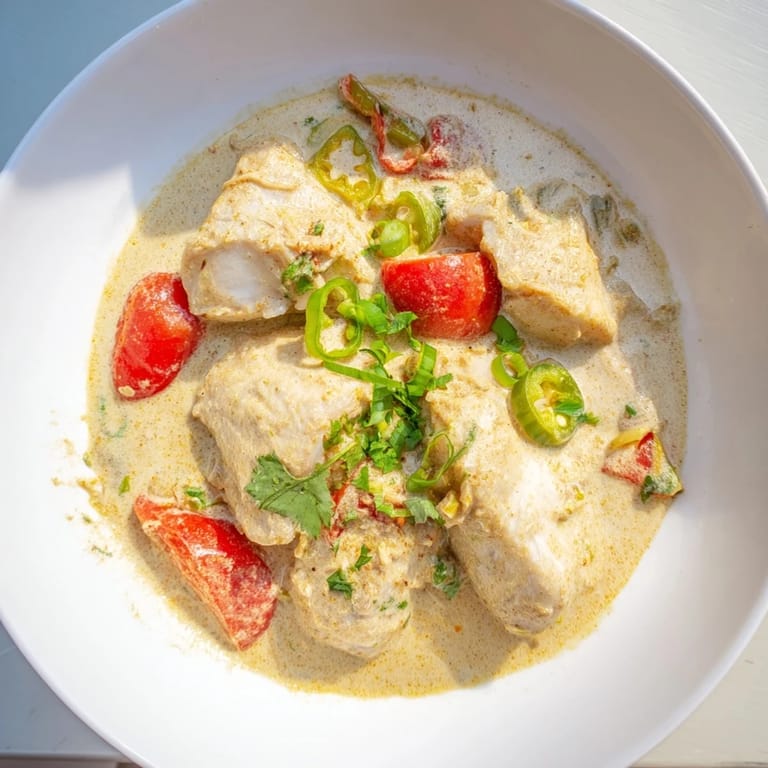
- Squeeze in the lemon juice and taste carefully, adjusting salt if needed. The lemon should lift the whole dish, making it feel fresher without tasting acidic. Garnish generously with fresh coriander and serve hot over rice or flatbread.
 Save to Pinterest
 There's a moment near the end of cooking this dish—right when the fish is turning tender and the sauce has mellowed into something creamy and welcoming—where you realize you're not just making dinner, you're creating something that tastes like it comes from a place with a long culinary memory. That's when you know you've got it right.
The Magic of Spice Layering
What makes this curry feel so complete isn't any single spice, but how they layer into each other. The coriander gives you earthiness, the cumin brings that warm nuttiness, and the cinnamon adds a whisper of sweetness that most people can't quite identify but absolutely feel. The cardamom ties it all together with something almost floral, while the paprika adds color and a gentle smokiness that grounds the whole composition. When you bloom these spices in the hot oil and aromatics, you're not just flavoring a sauce—you're creating depth that tastes both comforting and sophisticated.
Choosing Your Fish
The best fish for this curry is something firm and mild—white fish that won't flake apart in the sauce and won't compete with the spices. Hammour is traditional in Bahrain, but cod and snapper work beautifully if that's what's available to you. Whatever you choose, buy it the day you're cooking and keep it cold until the last moment. When you cut it into chunks, aim for pieces that are roughly the same size so they cook evenly, and don't be shy about making them generous—they'll shrink slightly as they cook, and you want tender, substantial pieces in every bite, not little fragments lost in the sauce.
Serving and Pairing
This curry is meant to be served hot, spooned over steamed basmati rice or served alongside soft flatbread that can soak up every drop of sauce. Some people add a dollop of yogurt on the side, though it's not traditional—it cools things down beautifully if your green chilies are particularly fierce. A simple green salad with lemon dressing on the side keeps everything feeling balanced and fresh, and if you're sharing this with others, you'll want the table set up so people can add extra coriander and squeeze fresh lime over their bowl if they want.
- Serve it the day you make it, while the sauce is still silky and the fish is at its most delicate.
- Leftovers keep for a day or two in the fridge, though the fish is best fresh and the sauce tastes best reheated gently rather than microwaved.
- If you want to prep ahead, make the sauce base and refrigerate it, then add the fish and simmer when you're ready to eat.
 Save to Pinterest
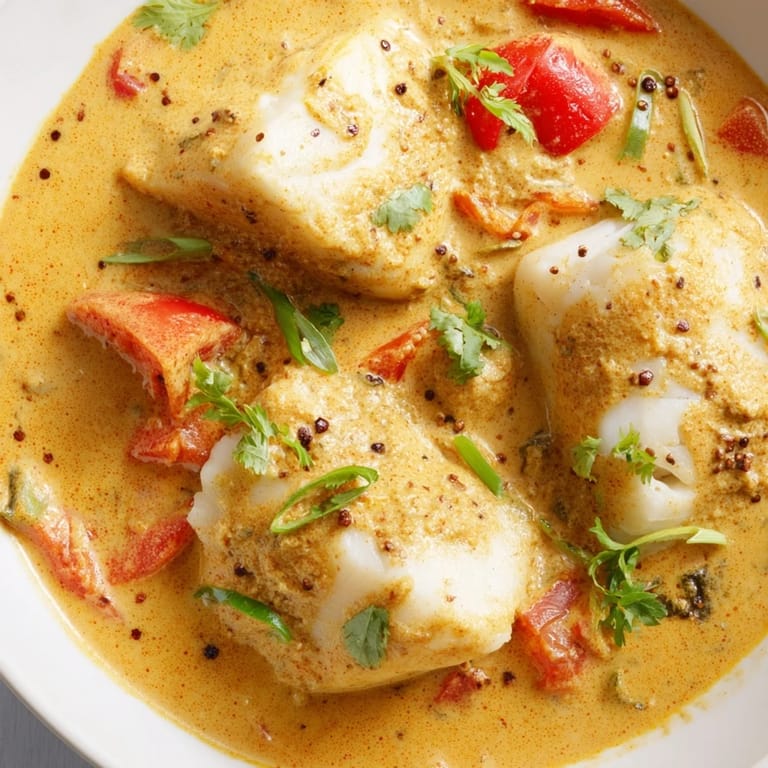
 This curry tastes like home cooking at its most gracious—not complicated, but thoughtful. It's the kind of dish that makes people linger at the table a little longer than they planned.
Recipe FAQs
- → What type of fish works best in this dish?
Firm white fish like cod, snapper, or hammour are ideal as they hold together well during simmering and absorb the spices beautifully.
- → Can I adjust the spice level of the dish?
Yes, the heat can be tailored by varying the amount of green chilies or adding more black pepper to suit your taste.
- → Is coconut milk essential for the sauce?
Coconut milk provides the creamy base that balances the spices and softens the flavors; it is key to achieving the dish’s characteristic richness.
- → What garnishes complement this dish?
Freshly chopped coriander (cilantro) adds a bright, herbal note that enhances the dish’s depth and presentation.
- → What side dishes pair well with this curry?
Steamed basmati rice, traditional Bahraini ghoozi rice, or warm flatbreads are excellent accompaniments to soak up the flavorful sauce.
- → Can this dish be made dairy-free and gluten-free?
Yes, this dish is naturally dairy-free and gluten-free, making it suitable for varied dietary needs.