 Save to Pinterest
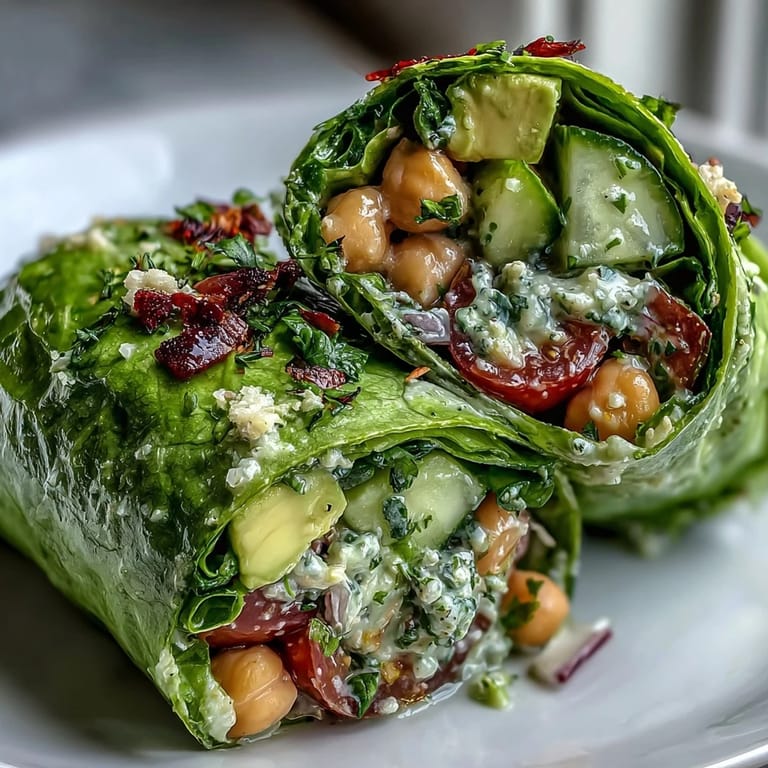
 There's something magical about assembling these wraps on a Wednesday afternoon when you've got ten minutes and nothing but fresh ingredients staring back at you. My neighbor actually introduced me to the lettuce-as-wrapper concept years ago, and I remember thinking it was too simple to work—until I bit into one and the crunch, the creaminess, the bright hit of lemon all clicked perfectly together. Now I make them whenever spring arrives and my kitchen finally feels light again, like I can breathe better with something this green and uncomplicated on the plate.
I made a batch of these for my sister's book club last spring, and someone actually asked for the recipe before finishing their first wrap—which never happens. The whole table went quiet except for the sound of lettuce crunching, and I realized this wasn't just a salad, it was the kind of thing people get excited about because it tastes fresh without tasting like deprivation. That moment stuck with me, the realization that healthy food could still feel celebratory.
Ingredients
- Canned chickpeas: Drain and rinse them well—this step removes that cloudy liquid that makes everything taste metallic, and you'll taste the actual chickpea flavor underneath.
- Ripe avocado: Pick one that yields gently to thumb pressure, not rock-hard and not mushy brown inside; if timing is tight, buy one slightly underripe and it'll be perfect by dinner.
- Fresh lemon juice: Bottle juice tastes thin and sharp, but fresh squeezed brings actual brightness that makes everything taste alive.
- Extra virgin olive oil: This is where a little quality matters since you can taste it directly; a peppery, grassy oil adds another layer.
- Red onion: Chop it fine so it distributes throughout rather than creating sharp onion bites; the red variety has better flavor than white here.
- Cherry tomatoes: Quartered rather than halved so they stay sweet and don't overwhelm the other vegetables with juice.
- Crisp lettuce leaves: Romaine stays crunchiest, but butter lettuce is tender and still holds the filling; iceberg works if that's what you have, though it's more delicate.
- Fresh herbs: Cilantro brings a different brightness than parsley, so pick whichever you actually enjoy eating since you'll taste it in every bite.
Tired of Takeout? 🥡
Get 10 meals you can make faster than delivery arrives. Seriously.
One email. No spam. Unsubscribe anytime.
Instructions
- Mash and combine the base:
- In a large bowl, tip in your drained chickpeas and diced avocado, then use the back of a fork to break them together gently. You want roughly half the chickpeas to break down into a creamy mass while others stay whole—this gives you texture variation that keeps things interesting with every bite.
- Add the fresh vegetables:
- Fold in the red onion, cucumber, tomatoes, and herbs with a light hand, almost like you're tucking rather than stirring. This way nothing bruises and the colors stay bright and distinct against each other.
- Build your dressing:
- In a small bowl, whisk lemon juice with minced garlic first—let them sit together for just a moment so the garlic softens slightly into the acid. Then add the olive oil, mustard, salt, and pepper, whisking until it emulsifies slightly and tastes balanced enough that you want to drink it straight.
- Dress the mixture:
- Pour the dressing over everything and toss with a gentle hand until every piece glistens evenly. You'll notice the avocado breaks down slightly more, which actually helps coat everything with that creamy richness.
- Prepare your lettuce shells:
- Lay out your lettuce leaves on a clean towel and make sure they're completely dry; any moisture and the filling will slide around. You're looking for leaves that are pliable but still have that satisfying snap when you bite into them.
- Fill and fold:
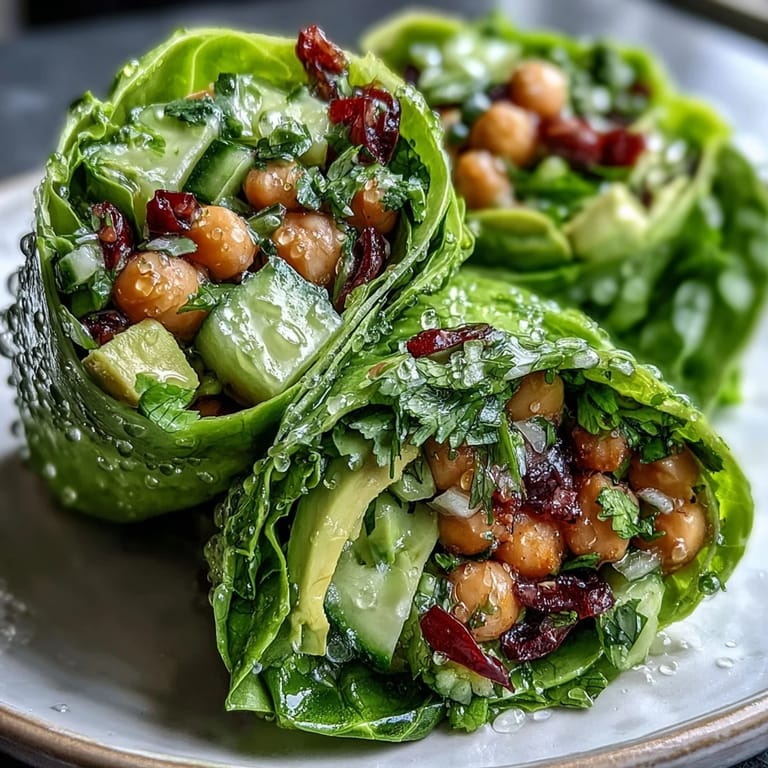
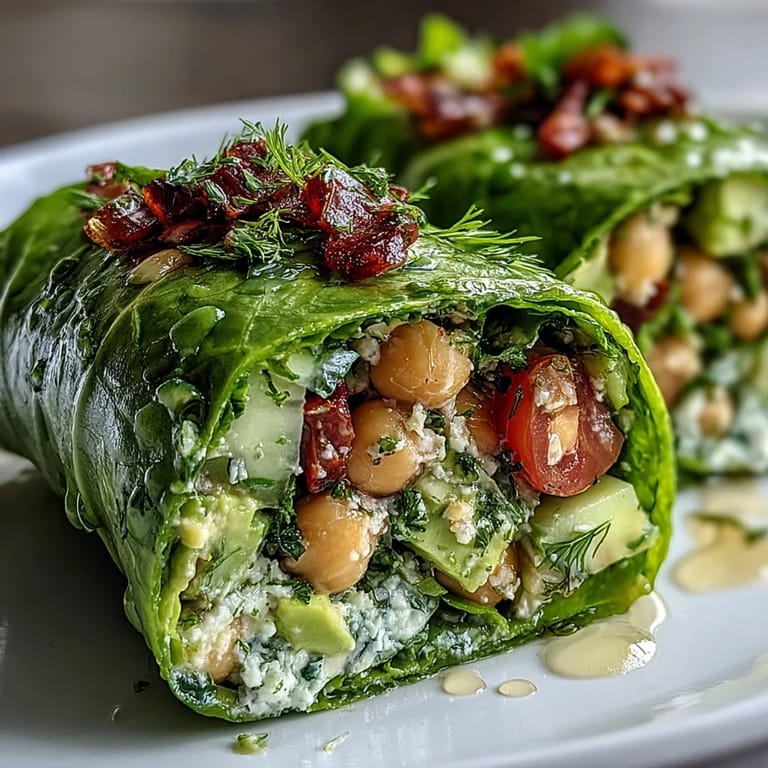
- Spoon the salad mixture into the center of each leaf, leaving room near the edges so you can actually fold without everything spilling sideways. The key is not overfilling—it looks less dramatic but tastes better because you get salad and crunch in each bite rather than mostly filling.
- Add optional garnishes:
- If you're using radishes, carrots, or sprouts, layer them on top so they're visible and stay crispy rather than getting buried in the mixture. This is where you can make each wrap feel a little different and special.
- Fold and serve:
- Fold the lettuce leaves up and around the filling like you're wrapping a present, creasing gently but firmly so they hold. Serve immediately before anything wilts, which is half the point of these wraps—that texture contrast between crisp and creamy.
 Save to Pinterest
 Last summer I made these for a picnic and forgot to pack napkins, which turned into this hilarious moment where everyone was delicately eating lettuce wraps like they were defusing a bomb. Someone said they felt fancy, and everyone laughed, but there was something real in that—these wraps have this unassuming elegance where you feel like you're doing something good for yourself while eating something that tastes genuinely delicious, not like a compromise.
Why Lettuce Instead of Bread
The texture contrast is honestly the whole story here—bread would absorb moisture and become heavy, but lettuce stays crisp and gives you that satisfying crunch against the creamy filling. It's also lighter in a way that matters on warm days when you don't want to feel weighed down, and there's something about eating with your hands that feels more connected to the food, less formal than silverware.
Making These Ahead
If you're prepping for a busy week, the best strategy is keeping everything separate until the last minute—store the dressed salad mixture in one container and the lettuce leaves in another with a paper towel to keep them dry. Assemble just before eating or a few hours before at most, because lettuce leaves are honest; they'll tell you when they've given up by getting limp and dark at the edges.
Variations and Additions
These wraps are endlessly flexible because the base is so solid—I've added diced bell peppers when I had them, scattered crumbled feta on top for richness, even toasted some pumpkin seeds for November version that felt seasonal and hearty. The dressing stays the same and everything still works because that lemon and garlic base is strong enough to carry whatever vegetables you're in the mood for.
- Celery adds another layer of crunch and a subtle earthiness that plays well with the chickpeas and lemon.
- Shredded carrots bring sweetness and color, especially if you're serving these to people who need convincing that salad wraps are actually satisfying.
- Sprouts add a peppery edge and that delicate crispness that disappears if you dress them too early.
 Save to Pinterest
 There's real joy in eating something this simple and green, something that tastes like health but doesn't feel like sacrifice. Make these whenever you need to remember that the best meals are often the ones where you're not fighting against the ingredients, just letting them be themselves.
Recipe FAQs
- → Can I prepare the salad ahead of time?
Yes, prepare the salad and dressing separately and combine just before assembling to keep the lettuce fresh and crunchy.
- → What types of lettuce work best as wraps?
Large crisp lettuces like romaine, iceberg, or butter lettuce create sturdy, crunchy shells suitable for wrapping.
- → How can I add more protein to these wraps?
Try sprinkling toasted seeds or crumbled feta (if not vegan) for an extra protein boost and added texture.
- → Are these wraps suitable for gluten-free diets?
Yes, all the ingredients used are naturally gluten-free, making these wraps safe for gluten-sensitive individuals.
- → What garnishes complement this dish?
Optional garnishes like sliced radishes, shredded carrots, or sprouts add color, flavor, and crunch to the wraps.