 Save to Pinterest
 There's something magical about deconstructing a spring roll right into a bowl. A friend handed me one at a Vietnamese restaurant in late summer, and I was struck by how the crispy rice paper shards caught the light like edible confetti. The combination felt both elegant and entirely unstuffy, like someone had decided that tradition didn't have to mean fussy plating. I went home and started experimenting, wanting to capture that same sense of freshness but with the freedom to customize everything.
I made this for my sister on a Tuesday when we both needed to eat something that didn't feel like obligation. She had just moved back to the city and seemed overwhelmed, so I set everything out buffet-style and let her build her own bowl. Watching her layer things exactly how she wanted, drizzle extra sauce, and actually smile while eating stayed with me. Food does that sometimes, you know, it becomes less about nutrition and more about the permission to be yourself.
Ingredients
- Rice Paper: Eight sheets become your textural secret weapon, and soaking them just barely for five to ten seconds keeps them pliable enough to cut but still holding their personality; too long and they turn to mush.
- Jasmine Rice or Vermicelli Noodles: The optional base gives the bowl substance and absorbs the peanut sauce beautifully, though honestly some days I skip it entirely for a lighter bowl.
- Protein (Grilled Chicken, Pressed Tofu, or Cooked Shrimp): Whatever you choose, make sure it's prepared with some seasoning because it's the anchor that holds everything together and tastes like you actually tried.
- Carrots and Cucumber: Julienne these thin enough to curl slightly; they'll be more tender and catch the sauce better than chunky cuts.
- Red Bell Pepper and Red Cabbage: The color contrast matters here, not just visually but because different vegetables bring different sweetness levels that balance the umami sauce.
- Mixed Salad Greens, Fresh Mint, and Cilantro: These are your brightness and aromatic lift; don't skip them or your bowl becomes one-dimensional.
- Creamy Peanut Butter: Use the kind you actually like eating straight from the jar, no additives needed.
- Soy Sauce, Hoisin Sauce, Rice Vinegar, and Lime Juice: This combination creates a sauce that's salty, slightly sweet, tangy, and complex all at once without tasting like any single ingredient.
- Sriracha: Optional but it brings a gentle heat that wakes everything up without overwhelming.
- Roasted Peanuts and Fried Shallots: The crispy toppings are what people remember; don't be shy with them.
Tired of Takeout? 🥡
Get 10 meals you can make faster than delivery arrives. Seriously.
One email. No spam. Unsubscribe anytime.
Instructions
- Soften the Rice Paper with Intention:
- Fill a shallow dish with warm water and dip each sheet for exactly five to ten seconds, then lay it on a clean kitchen towel. Work in a rhythm here because you're learning how the paper feels at the moment it transitions from brittle to workable; five seconds too long and you're fishing out a sticky mess.
- Cut the Softened Sheets into Rough Pieces:
- Stack two or three sheets and cut them into irregular strips and squares, anywhere from one to three inches across. They don't need to be perfect; the randomness is part of the charm and they'll crisp up unevenly, which is exactly what you want.
- Cook Your Protein with Seasoning:
- Whether you're grilling chicken, pan-frying tofu, or warming shrimp, make sure it has salt and pepper at minimum. Let it develop some color and flavor; this isn't the time to be gentle.
- Prep Vegetables with a Sharp Knife:
- Julienne the carrot and cucumber so they have some delicate length to them, slice the bell pepper thin, shred the cabbage into ribbons. You're creating visual interest and varying textures in each bite.
- Whisk the Peanut Sauce Until Silky:
- Combine peanut butter, soy sauce, hoisin, rice vinegar, lime juice, and sriracha in a bowl, then add warm water one tablespoon at a time while whisking until it's smooth and flows easily from a spoon. This sauce should taste bold enough to stand on its own because it's the flavor bridge between everything.
- Build Your Bowl in Layers:
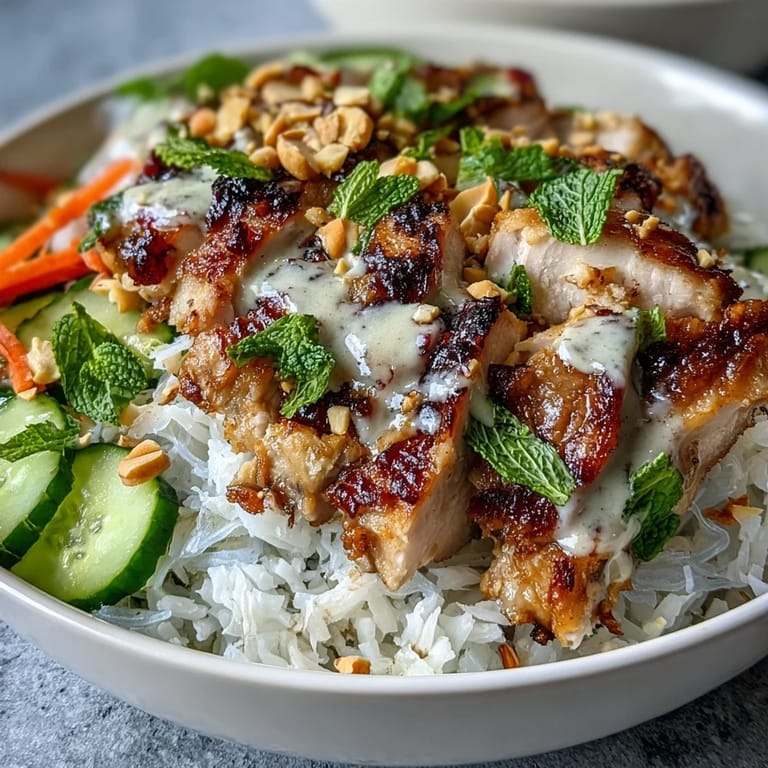
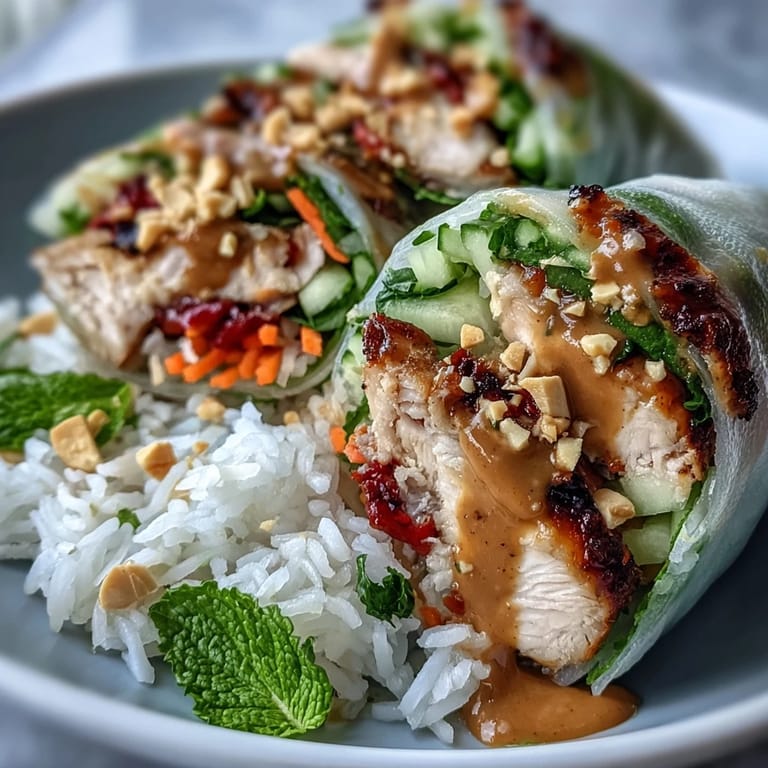
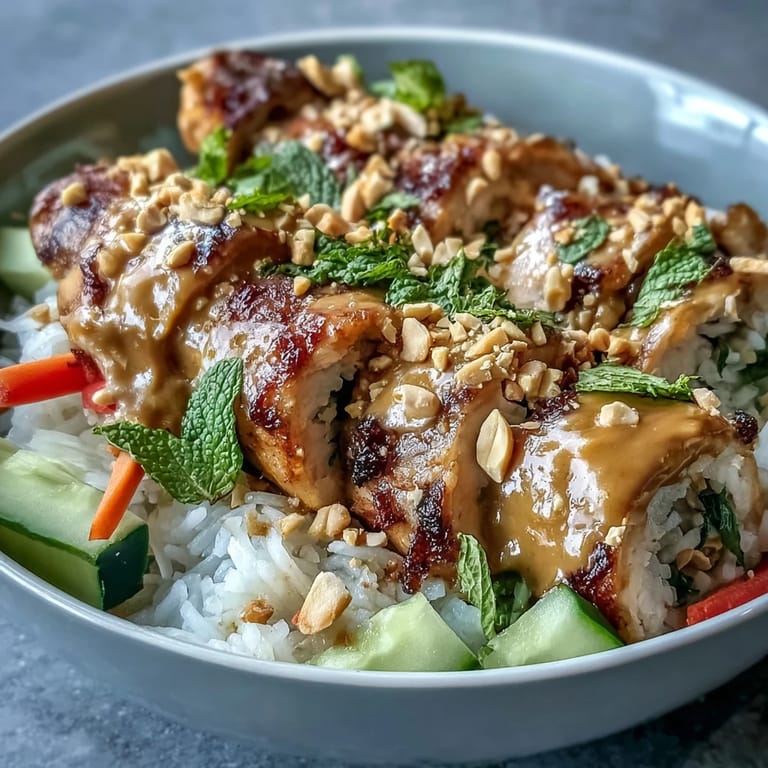
- Start with rice or noodles if using, then scatter rice paper pieces, arrange vegetables and greens in sections so you can see them, add your protein, and finish with fresh herbs. The layering lets people choose what ratio they want with each spoonful.
- Finish with Sauce and Toppings:
- Drizzle peanut sauce generously, sprinkle chopped peanuts and fried shallots over the top, and serve with lime wedges so people can adjust the brightness themselves.
 Save to Pinterest
 My nephew, who is a notoriously difficult eater, asked for seconds of this the first time I made it for him. He loved that he could see every ingredient and choose exactly what went into his spoon, no hidden vegetables masquerading as something else. That kind of honesty in food, where kids and adults both feel respected, that's worth remembering.
The Magic of Rice Paper Texture
The rice paper pieces are your secret weapon here. When you cut those freshly softened sheets into rough strips and squares, they retain a delicate, almost translucent quality that becomes wonderfully crispy as they start to dry out in the bowl. They won't turn hard like a chip, but they'll develop a gentle crackle that contrasts beautifully against the tender vegetables and creamy sauce. This is what separates a forgettable bowl from one people actually want to make again; it's one small textural element that changes everything.
Why This Bowl Works for Anyone
There's genuine freedom in a bowl that encourages customization. Vegetarians skip the protein or load up on tofu, people avoiding peanuts use almond butter, someone with gluten sensitivity swaps the soy sauce and hoisin. You're not asking anyone to compromise; you're offering a framework where preferences become features, not afterthoughts. I've served this to people with wildly different taste preferences and had everyone actually enjoy their meal, which rarely happens when you're cooking for a crowd.
Timing and Make-Ahead Strategy
The beauty of this bowl is that most of the work happens before assembly. You can grill your protein in the morning, julienne vegetables the night before and keep them in the fridge in separate containers, even make the peanut sauce hours ahead and stir in extra warm water when you're ready to serve. On the day you're actually eating, you're just soaking rice paper and building bowls, which takes maybe ten minutes total once you're practiced. It's the kind of meal that looks impressive but never actually stresses you out.
- Prep vegetables up to two days ahead and store them separately so nothing gets soggy.
- Cook your protein and sauce the morning of, letting them come to room temperature before serving for better flavor.
- Wait to soften the rice paper until just before you assemble, because once it's in pieces it starts drying out and loses that delicate quality.
 Save to Pinterest
 This bowl is genuinely one of those recipes that gets easier and more satisfying each time you make it. You'll find your rhythm with the rice paper, develop opinions about sauce consistency, start preferring certain vegetable combinations.
Recipe FAQs
- → How do I keep rice paper from getting soggy?
Cut the rice paper just before assembling bowls and keep pieces separated until serving. The crisp texture is best enjoyed immediately after tossing with sauce, though prepped vegetables and sauce can be stored separately for up to 3 days.
- → Can I make this bowl ahead for meal prep?
Prepare all components separately—store cut vegetables, protein, sauce, and rice paper pieces in individual containers. Assemble bowls just before eating to maintain texture. The peanut sauce keeps well refrigerated for up to a week.
- → What's the best protein for this bowl?
Grilled chicken offers classic pairing, while pressed and cubed firm tofu absorbs flavors beautifully and provides plant-based protein. Cooked shrimp works wonderfully for lighter versions. Marinate your chosen protein in lime and garlic before cooking for extra depth.
- → How can I adjust the peanut sauce consistency?
Start with minimal warm water, whisking thoroughly. The sauce should coat a spoon without running off quickly. Add water one tablespoon at a time until reaching desired pourable consistency. The sauce will thicken slightly when refrigerated.
- → What vegetables work best in this bowl?
Crunchy vegetables like carrots, cucumber, red cabbage, and bell pepper provide essential texture contrast. Fresh mint and cilantro are non-negotiable for authentic Vietnamese flavor. Consider adding bean sprouts, sliced jalapeño, or pickled vegetables for variation.
- → Is this bowl suitable for gluten-free diets?
Yes, naturally gluten-free when using tamari instead of regular soy sauce and verifying that your hoisin is certified gluten-free. Most rice paper brands are naturally gluten-free, but always check labels for hidden wheat ingredients.