 Save to Pinterest
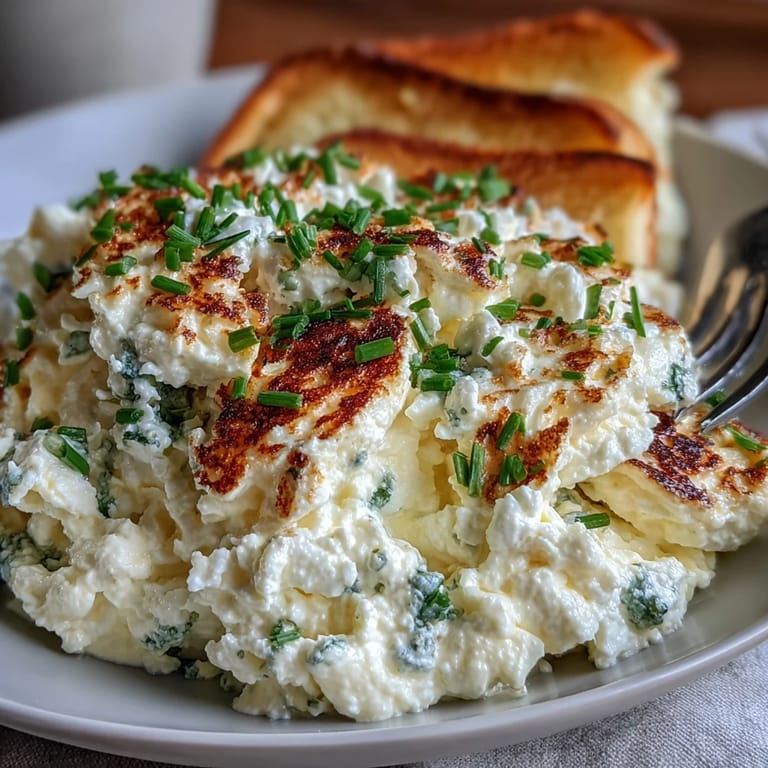
 The first time I tried adding cottage cheese to scrambled eggs, I was mostly curious to see if it could actually make my breakfast taste better—or just a little odd. The sizzle of butter in the pan always wakes me up, but that morning, the gentle tang of cottage cheese mixing in with the warm eggs caught me off guard in the best way. It didn’t take long for those soft curds to melt into the eggs, creating a creamy, fluffy texture I’d never expected. Most importantly, it made a familiar routine breakfast feel brand new—an unexpected little upgrade that’s now practically tradition. And as someone who’s not great at eating enough protein before noon, I realized this was the sneakiest way to get a nourishing start.
Once, running late for work, I whipped up these eggs in record time and tossed them into a wrap with chives. While eating at my desk, the aroma made a few coworkers wander over and ask what smelled so good—by lunchtime, they were all asking for the recipe. That was when I realized just how much this dish stood out from plain scrambled eggs. Watching friends’ eyes light up when they taste the creamy bite never gets old. Now, these eggs have become my go-to whenever I want breakfast to feel special, but not fussy.
Ingredients
- Eggs: I always use large eggs for a richer texture—not a time to skimp on freshness, trust me.
- Cottage cheese: Full-fat gives unbeatable creaminess, but low-fat works beautifully too; I’ve learned to drain off any excess liquid to avoid watery eggs.
- Unsalted butter: Gives you complete control over saltiness and brings out an almost nutty flavor as it melts in the pan.
- Chives or green onions: Just a little sprinkle immediately brightens both the color and the flavor; green onions add a gentle sharpness while chives are more subtle.
- Salt: Seasoned from the beginning, the eggs taste like more than just eggs.
- Black pepper: A fresh grind is all you need for a savory finish—no need to overdo it.
Tired of Takeout? 🥡
Get 10 meals you can make faster than delivery arrives. Seriously.
One email. No spam. Unsubscribe anytime.
Instructions
- Whisk the eggs:
- Grab a medium bowl and whisk together eggs, salt, and pepper until the mixture is smooth and a bit frothy—the color should brighten up.
- Fold in cottage cheese:
- Gently fold in the cottage cheese, stirring just enough so there are still some visible curds for pockets of creaminess.
- Heat the pan:
- Set your nonstick skillet over medium-low heat, then add butter and let it melt until it foams and smells toasty.
- Cook gently:
- Pour the egg mixture in, and with a spatula, stir slowly and constantly, scraping the bottom as you go so nothing sticks or browns too fast.
- Finish softly:
- When the eggs are mostly set but still slightly runny and glossy, take the pan off the heat—a little undercooked is perfect because they’ll set more as they rest.
- Add fresh herbs:
- Scatter chives or green onions on top, and enjoy right away while the eggs are still warm and creamy.
 Save to Pinterest
 One weekend, friends stayed over after a night of board games, and it was these scrambled eggs that brought everyone back to the kitchen table before we’d even poured coffee. Laughter, warm plates, and the satisfaction of an unexpectedly perfect breakfast—that morning is still my favorite reminder that sometimes the best meals are made with what’s already in the fridge.
How to Play with Add-Ons
I started sprinkling in smoked paprika after someone dared me to make the eggs ‘fancy’. Baby spinach wilts right into the mixture if you want even more color and nutrition. Leftover bits of turkey or smoked salmon layer in easily for extra protein, making these eggs customizable for everyone at the table.
Making It Work for Any Morning
Some days, I scoop the eggs onto thick slices of whole-grain toast, while other times I serve them alongside roasted tomatoes—it depends on my mood and whatever I have on hand. They’re just as delicious quickly dusted with herbs as they are under a scatter of sharp cheddar if I’m feeling indulgent. Either way, cleanup is a breeze, which never hurts on a busy weekday.
Little Touches for Success
Don’t underestimate how much using a good rubber spatula matters; it really does make a difference in keeping everything soft and creamy. Take a breath and cook low and slow—rushing is where most mistakes happen. Sometimes the tastiest breakfasts are the ones where you add a dash of curiosity and see what happens next.
- Add in spinach or finely chopped peppers for more flavor and color.
- For extra protein, top with sliced turkey or salmon.
- Keep ingredients prepped the night before for a speedy start.
 Save to Pinterest
 There’s a certain quiet pride in turning the simplest ingredients into something crave-worthy. Give these cottage cheese scrambled eggs a try—you might find they’re just what your morning was missing.
Recipe FAQs
- → How do I keep the eggs creamy and soft?
Cook over medium-low heat and stir gently and continuously as the curds form. Removing the pan from heat when the eggs are slightly underdone will let residual heat finish them for a silky texture.
- → Can I use a different type of cheese instead of cottage cheese?
Yes. For a similar creamy effect try ricotta or soft goat cheese; both add moisture and richness, though cottage cheese offers the highest protein boost without overpowering texture.
- → Is there a good dairy-free swap for cottage cheese?
Use silken tofu blended until smooth and folded into the eggs, and replace butter with olive oil. The texture will be creamy but slightly different in flavor.
- → What skillet and tools give the best result?
A nonstick skillet and a flexible spatula are ideal for gentle stirring and quick release. A medium mixing bowl and a whisk help combine eggs and cottage cheese evenly before cooking.
- → How can I boost flavor without changing texture?
Add a pinch of smoked paprika or a handful of chopped chives at the end. Finely chopped cooked salmon or a few sautéed spinach leaves also provide flavor while keeping the eggs tender.
- → How should leftovers be stored and reheated?
Refrigerate cooled leftovers in an airtight container for up to 2 days. Reheat gently in a skillet over low heat with a splash of water or milk to restore creaminess, stirring until warmed.