 Save to Pinterest
 Sunday afternoons in my kitchen used to feel chaotic until I discovered the magic of building bowls instead of plating individual components. One particularly hectic week, I threw together rice, beans, and whatever protein I had on hand into separate containers, and suddenly weekday lunches stopped feeling like a chore. That simple decision turned into this burrito bowl base, a system that lets you prep once and eat well all week without everything getting soggy or boring by Wednesday.
I remember the moment my partner opened the fridge and saw four identical containers lined up, each one a different layer of flavors waiting to be mixed. They laughed and said it looked like I'd finally cracked the code to eating well without stress, and honestly, they weren't wrong. That week we had different bowls every day just by shifting what protein we grabbed and which toppings we felt like, and the whole ritual felt less like dieting and more like playing with food in the best way.
Ingredients
- Rice or Grain Base (2 cups cooked): White or brown rice provides the traditional foundation, though quinoa works beautifully if you're going gluten-free and want extra protein without changing the flavor profile.
- Black or Pinto Beans (1 can, 15 oz): These are forgiving, affordable, and develop deeper flavor when you warm them with spices instead of eating them straight from the can.
- Protein (choose one or combine): Chicken breast stays lean and mild, ground beef or turkey adds richness, and firm tofu pressed well beforehand will actually crisp up instead of falling apart in your container.
- Red Bell Pepper (1, diced): The sweetness cuts through savory elements and the crisp texture holds up all week if you store it separately from dressing.
- Corn Kernels (1 cup): Frozen corn is honestly better for meal prep than fresh because it doesn't release excess moisture, and it defrosts quickly when you reheat the bowl.
- Cherry Tomatoes (1 cup, halved): Their natural acidity brightens everything, and halving them instead of chopping prevents them from getting crushed under the weight of other components in your container.
- Red Onion (1/2, finely diced): Raw red onion stays crisp and adds a sharp bite that pickle-like quality actually improves as it sits in the fridge.
- Shredded Lettuce or Romaine (1 cup): Keep this separate until assembly day, or it will wilt and turn into something you'd rather not eat.
- Cheese Blend (1 cup shredded): A mix of cheddar and Monterey Jack melts more evenly than pure cheddar, and shredding it fresh from a block instead of buying pre-shredded prevents clumping.
- Salsa or Pico de Gallo (1/2 cup): Store this separately to maintain its fresh crunch and prevent the bowl from becoming watery.
- Sour Cream or Greek Yogurt (1/2 cup): Greek yogurt actually holds up better throughout the week and adds protein, so it's a subtle upgrade that no one will notice but everyone will feel.
- Avocado (1 fruit): Slice or mash just before eating because exposed avocado oxidizes and turns an unappetizing brown, no matter how much lemon juice you use.
- Fresh Cilantro (1/4 cup, chopped): This herb loses its brightness quickly, so tear it up on assembly day rather than prepping it with everything else.
- Lime Wedges: These brighten everything in the moment and let each person control how much acid they want in their bowl.
- Cumin, Chili Powder, Smoked Paprika (1 tsp each): This trio creates warmth and depth, and toasting whole seeds before grinding them makes a noticeable difference if you have the patience for it.
Tired of Takeout? 🥡
Get 10 meals you can make faster than delivery arrives. Seriously.
One email. No spam. Unsubscribe anytime.
Instructions
- Cook Your Grain Base:
- Follow package instructions for your rice or quinoa, then fluff it with a fork and let it cool slightly so it doesn't steam itself into mushiness when you pack it away. A rice cooker removes all the guesswork, but a regular saucepan works fine if you remember to listen for when the water stops sizzling.
- Prepare Your Protein:
- For chicken, season it first and sear it in a hot skillet with oil until the edges turn golden, then slice or chop it into bite-sized pieces that feel substantial but not overwhelming in each forkful. Ground beef or turkey browns faster and gets seasoned as it cooks, which is why you'll notice it absorbs spice differently than whole pieces do. Tofu needs pressing beforehand to release moisture, then cubing it before pan-frying ensures each piece develops a crispy exterior while staying creamy inside.
- Warm and Season Your Beans:
- Heat drained and rinsed beans in a skillet with a splash of olive oil and your spice blend for just 2 to 3 minutes, which seems short but it's enough time for the cumin and chili powder to wake up the beans' natural earthiness. Don't skip this step because canned beans straight from the can taste flat and metallic by comparison.
- Chop and Prepare All Vegetables:
- Use a sharp knife and a cutting board, working methodically so your cuts are uniform and consistent. Uniform pieces cook evenly and look more appealing when stacked in your containers, plus they pack more efficiently.
- Divide Components Into Containers:
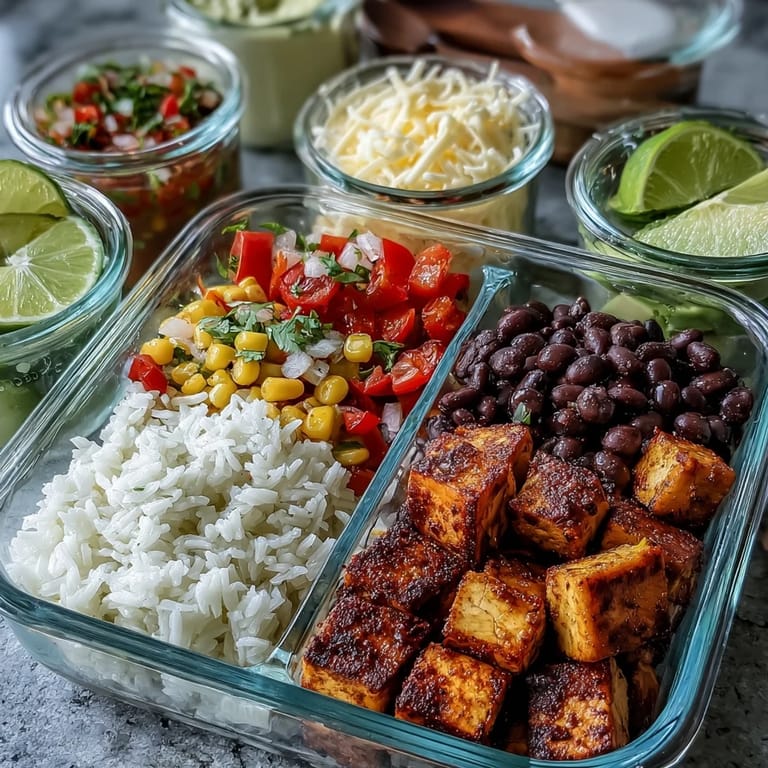
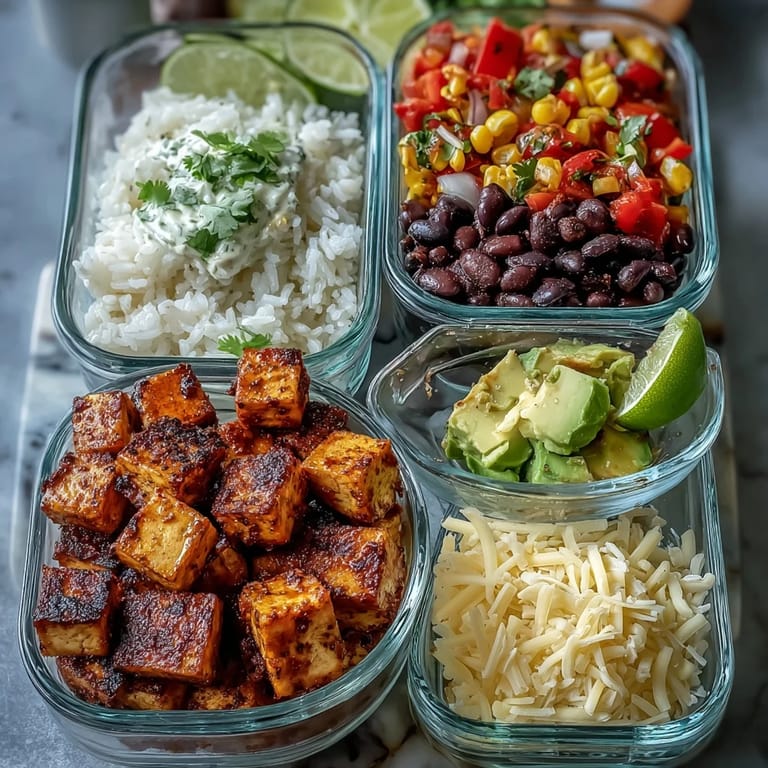
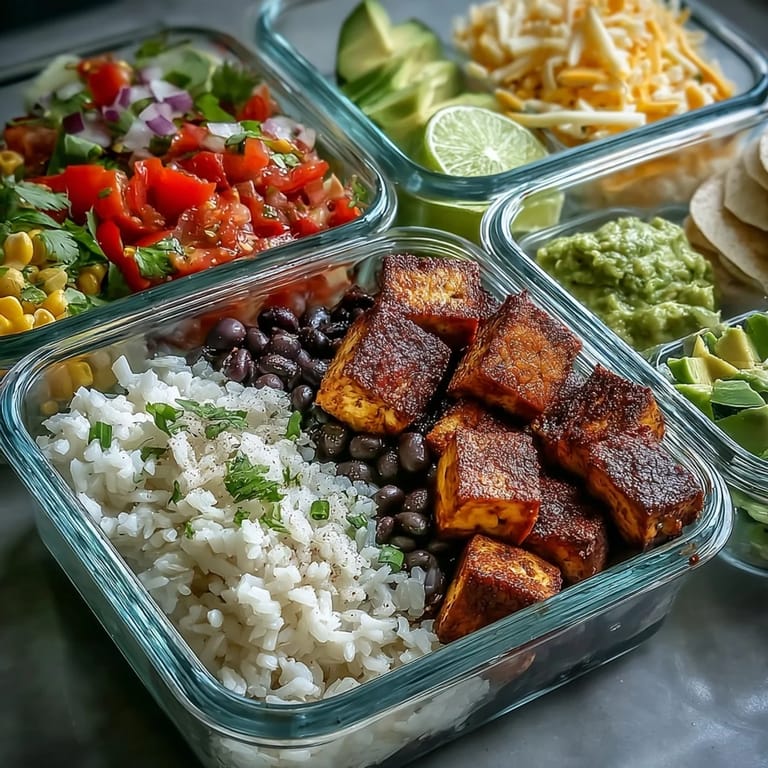
- Layer rice on the bottom of each airtight container, then add beans and protein, keeping vegetables in a separate section if your containers have dividers. The weight of the heavier components protects lettuce and softer toppings, and separation prevents flavors from bleeding into each other before you're ready to eat.
- Store Toppings Separately:
- Cheese, salsa, sour cream, avocado, cilantro, and lime wedges all go into their own small containers, waiting to be added only when you're ready to eat. This is the secret that keeps your bowl feeling fresh and intentional instead of like something that's been sitting in your fridge for three days.
 Save to Pinterest
 My neighbor actually asked for this recipe after I shared a bowl with her one afternoon, and she admitted she'd been stress-eating takeout every night because cooking felt impossible after long days. Watching her realize she could have healthy, exciting lunches ready to go changed something for both of us, turning meal prep from a chore into something that felt like giving yourself a gift every morning. That's when I understood this recipe was really about permission—permission to eat well without exhaustion, to customize without rules, and to take care of yourself on the hard days.
Making It Your Own
The beauty of this base is that it adapts to whatever you have on hand and whatever you're craving that week. Swap brown rice for cauliflower rice if you're tracking carbs, use kidney beans instead of black beans if that's what's in your pantry, or double the protein if you're lifting weights and need the extra calories. I've made this with roasted turkey, spiced chickpeas for a plant-based option, and even shredded pork when I had leftovers from Sunday dinner.
Storage and Freshness
These bowls stay fresh for up to four days when properly stored in airtight containers, though the vegetables start losing their snap around day three if they're touching dressing. Keep toppings completely separate until you're eating, and you'll notice the difference the moment you take that first bite—everything tastes intentional instead of resigned. Reheat the rice and beans gently, either on the stovetop with a splash of water or in the microwave covered loosely so steam can escape.
Flavor Combinations That Actually Work
This is where the fun happens, and where you stop following someone else's recipe and start cooking with instinct. The cumin and chili powder create a warm base that welcomes almost anything, from classic lime and cilantro to unexpected additions like crispy fried onions or pickled jalapeños. Think about balance—if your bowl is heavy on protein, add more salsa and lime juice to brighten it; if you're going vegetarian, consider cheese and avocado to add richness you're losing from meat.
- Lime juice is your secret weapon because acid makes everything taste fresher and more alive, even on day four.
- Don't be shy with cilantro if you love it, and skip it entirely if you're in the camp that thinks it tastes like soap.
- Cheese gets better as it sits because it absorbs flavors from everything around it, which is why day three bowls sometimes taste better than day one.
 Save to Pinterest
 This recipe is really about giving yourself the gift of time during the week, turning Sunday into an investment in your own well-being. Make it once and you'll understand why meal prep suddenly clicks for so many people.
Recipe FAQs
- → How long do these burrito bowls keep in the refrigerator?
When stored properly in airtight containers, the prepared components stay fresh for 4-5 days. Keep toppings like salsa, guacamole, and dairy in separate small containers to prevent sogginess.
- → Can I freeze the burrito bowl components?
Rice, beans, and cooked proteins freeze well for up to 3 months. Avoid freezing fresh vegetables like lettuce, tomatoes, and avocado—add those fresh after reheating.
- → What's the best way to reheat these bowls?
Microwave the rice, beans, and protein for 2-3 minutes, stirring halfway. Let them cool slightly before adding cold toppings and fresh vegetables for the best texture contrast.
- → How can I make this burrito bowl base vegan?
Choose firm tofu or plant-based protein crumbles instead of meat, and skip dairy toppings or use vegan cheese and cashew cream. The flavor profile stays satisfying with beans, rice, and roasted vegetables.
- → What protein options work best for meal prep?
Chicken breasts, ground turkey, seasoned tofu, and even roasted chickpeas all hold up beautifully during storage. Season proteins generously with cumin, chili powder, and smoked paprika before cooking.
- → Can I use cauliflower rice instead of regular rice?
Absolutely—cauliflower rice creates a lighter, low-carb version. Sauté it briefly with olive oil and garlic before storing. Note that it releases more moisture, so drain before packing.