 Save to Pinterest
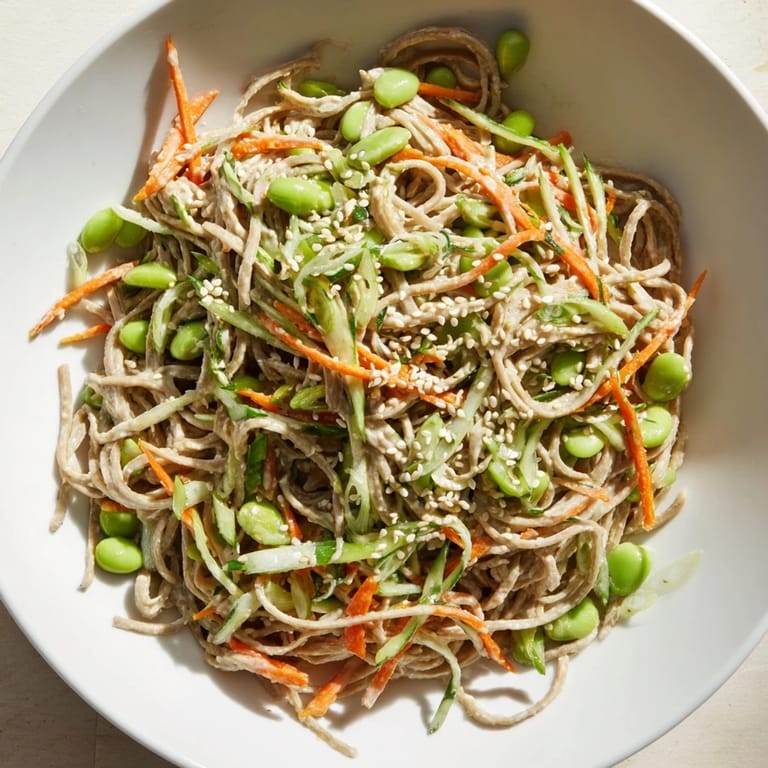
 There's something about the hum of a summer afternoon that makes you crave something cool and bright, and this sesame noodle salad arrived in my kitchen on one of those days when the thought of turning on the oven felt criminal. A friend had just come back from a trip through Southeast Asia raving about the noodle stalls, and I set out to recreate that perfect balance of nutty, tangy, and silky in a bowl. What started as an experiment became the recipe I've made dozens of times since—it's the kind of dish that tastes better the longer it sits, and somehow tastes even better the next day.
I once served this at a potluck dinner where someone had forgotten to mention they were bringing salad too, so we ended up with three different versions side by side. Mine was the one people kept coming back to, and not because it was fancy—it was because the sesame dressing had soaked into every strand of noodle, and the vegetables still had that perfect snap. That moment taught me that food doesn't need to be complicated to be memorable.
Ingredients
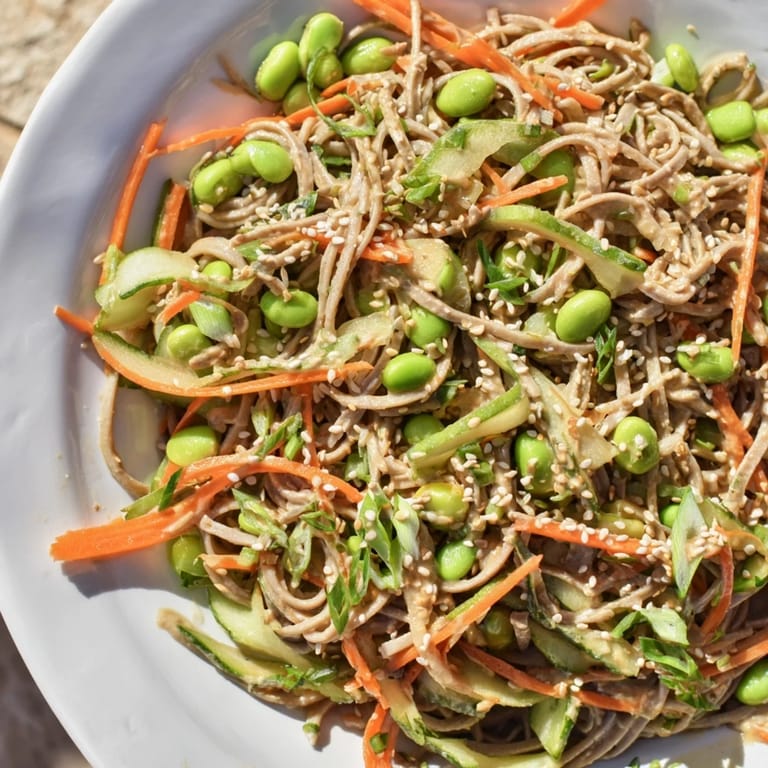
- Soba noodles or thin spaghetti (250 g): Soba has a nutty flavor that plays beautifully with sesame, but regular pasta works just fine if that's what you have—I've done it both ways and both are delicious.
- Cucumber, julienned (1 medium): The watery crunch that keeps everything from feeling heavy; I like to salt mine lightly and let it sit for a few minutes to draw out excess moisture.
- Carrots, julienned (2 medium): Sweet and colorful, they add visual pop and a gentle sweetness that balances the umami of the soy sauce.
- Edamame, shelled and cooked (1 cup): These little green beans are your protein anchor, and honestly, having frozen ones on hand has changed my weeknight dinner game.
- Spring onions, thinly sliced (2): A sharp brightness that comes through even after chilling; don't skip these because they're what make you remember you're eating something alive and fresh.
- Toasted sesame seeds (2 tbsp): This is where the toast factor comes in—buy them already toasted from the store and you've just saved yourself a step and a potential burnt smell.
- Tahini or toasted sesame paste (3 tbsp): The soul of the dressing; find one that's smooth and creamy, not the kind that separates into a puddle of oil.
- Soy sauce (2 tbsp): Use tamari if you're serving someone gluten-free, but honestly the regular stuff has never let me down.
- Rice vinegar (1 tbsp): The gentle acid that makes everything sing without being aggressive about it.
- Toasted sesame oil (1 tbsp): A little goes a long way—this is the ingredient that makes someone taste this and ask what's in the dressing.
- Honey or maple syrup (1 tbsp): Just enough sweetness to round out the flavors without making it dessert.
- Fresh ginger, grated (1 tsp): Use a microplane if you have one, or just mince it finely; this is what gives the dressing its gentle warmth.
- Garlic, finely minced (1 clove): Raw garlic here adds punch, so don't go overboard unless you're planning to breathe heavily around anyone for a while.
Tired of Takeout? 🥡
Get 10 meals you can make faster than delivery arrives. Seriously.
One email. No spam. Unsubscribe anytime.
Instructions
- Start with the noodles:
- Bring a pot of water to a rolling boil and cook your noodles according to the package timing—they should be tender but still have a little resistance when you bite them. Drain them quickly, then run them under cold water while gently tossing with your hands, which cools them down and stops them from sticking together into a clump.
- Make the dressing while they cool:
- In a mixing bowl, whisk together the tahini, soy sauce, rice vinegar, sesame oil, honey, ginger, and garlic until you have something that looks almost like it's coming together. Add 2 tablespoons of water and keep whisking; if it's still thick, add more water a teaspoon at a time until it reaches the consistency of heavy cream.
- Bring everything together:
- Add the cooled noodles to the dressing along with the cucumber, carrots, and edamame, then toss gently but thoroughly, making sure the dressing coats everything evenly. This is the satisfying part where you can taste as you go and adjust things if you'd like more acid, more sweetness, or more sesame flavor.
- Finish and chill:
- Sprinkle the spring onions and toasted sesame seeds on top, add any garnishes that are calling to you, then cover and refrigerate for at least 10 minutes before serving. The waiting time is when the flavors get to know each other properly.
 Save to Pinterest
 There was a moment when my sister, who has very strong opinions about food, took a bite of this and got quiet for a second, then asked for the recipe. That quiet second meant everything—it meant the dish had done what it was supposed to do, which was to taste good but also to feel intentional, like someone had thought about it.
The Sesame Dressing Magic
The dressing is where all the sophistication lives in this salad, and it's entirely because of the combination of tahini and sesame oil working in tandem. Tahini brings the creamy, slightly earthy body, while sesame oil adds this toasted, aromatic layer that makes people wonder if you used stock or something fancy. I once tried to make this with peanut butter thinking it would be a good substitute and it was... not the same thing at all, so now I keep tahini in my pantry at all times like it's insurance against boring dinner.
How to Prep Ahead
The vegetables can be julienned and stored in containers up to a day before, though they're crispest when cut fresh on the morning you're serving. The dressing can be made a full day ahead and stored in a glass jar, and the noodles can be cooked and cooled the day before as well—I've actually found that giving them overnight in the fridge makes them taste slightly better, less starchy somehow.
Serving and Variations
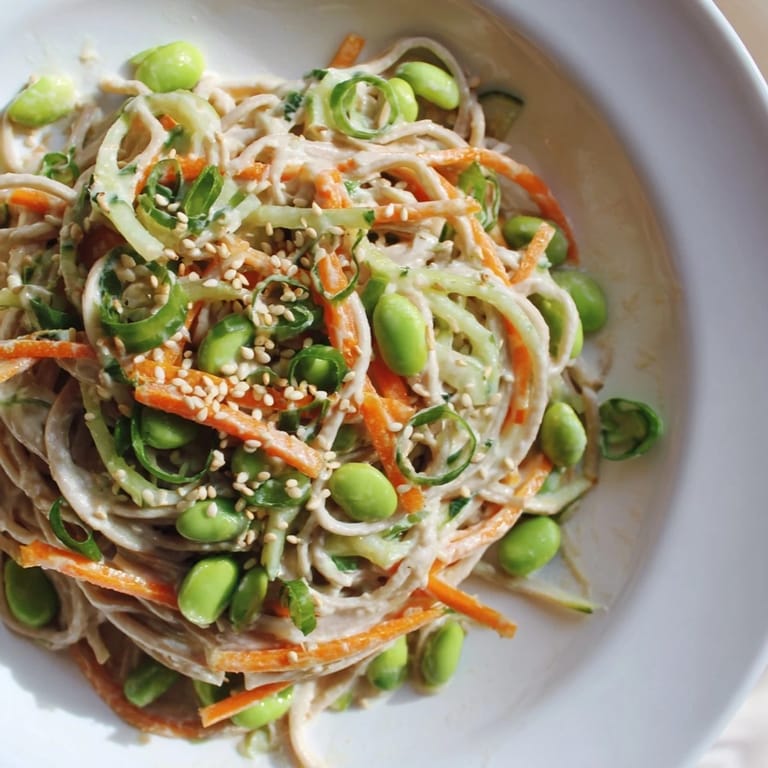
This salad is beautiful served at room temperature or chilled, and it pairs effortlessly with other Asian dishes or stands alone as a light main course. I've added shredded rotisserie chicken to make it more filling, stirred in crispy tofu cubes when I want that nutty texture, and once even threw in some sliced grilled steak and surprised myself at how well it worked. The flexibility is part of why I keep coming back to this recipe—it's a foundation that actually welcomes improvisation.
- Fresh cilantro or mint sprinkled on top right before serving adds a brightness that makes people stop and ask what just happened to their bite.
- A squeeze of fresh lime juice right at the end adds acidity if you taste it and realize the dressing needs a little more punch.
- If you're making this for someone with a nut allergy, skip the optional peanut garnish but know the rest of the salad is already completely satisfied without it.
 Save to Pinterest
 This salad has become the dish I make when I want to feel like I'm feeding people something thoughtful but I don't want to spend the whole day cooking. It's the kind of food that makes sense in the middle of summer but somehow tastes good year-round.
Recipe FAQs
- → What noodles work best for this salad?
Soba noodles or thin spaghetti work well; rice noodles can be used for gluten-free options.
- → How is the creamy sesame dressing made?
By whisking tahini or sesame paste with soy sauce, rice vinegar, sesame oil, honey, ginger, and garlic until smooth and pourable.
- → Can this dish be served warm?
It’s best enjoyed chilled to maintain the crispness of the vegetables and refreshing flavor.
- → What protein options complement this salad?
Edamame adds plant-based protein; shredded chicken or tofu can be added for extra protein.
- → Are there allergen concerns to be aware of?
The dish contains soy and sesame; garnishes may include nuts. Gluten may be present if wheat-based noodles or soy sauce is used.